
Robot window cleaning offers an innovative solution that enhances home maintenance efficiency, easily integrating with smart home systems like Zigbee and ensuring optimal performance through local automation.
Robot window cleaning may sound like a luxury, but it is becoming a necessity for those looking to optimize their time and effort. Have you ever wondered what it would be like to have your windows clean without putting your safety at risk? Join us to find out.
Fundamentals and Protocols (Zigbee, Matter, Wi-Fi)
The robot window cleaning represents a significant evolution in home automation and the preservation of safety. Understanding the protocols that support these devices is crucial for making the most of their technology. Protocols like Zigbee and Wi-Fi are pillars of modern connectivity, allowing robots to operate efficiently and effectively.
Connectivity via Zigbee
The use of Zigbee offers considerable advantages, such as lower energy consumption and greater communication range. This is particularly critical for devices that need to operate over long distances, such as cleaning robots that require access to large buildings. In our tests, we found that devices using this protocol have minimal latency and are less susceptible to interference.
The Role of Matter
Matter is designed to ensure interoperability between different devices and platforms. This capability allows cleaning robots to seamlessly integrate with other home devices, thus facilitating control and monitoring of the cleaning status from anywhere.
Wi-Fi: Constant Connection
Wi-Fi connectivity is crucial for real-time data transmission. This allows bots to receive updates and commands instantly, optimizing performance during operation. However, relying solely on Wi-Fi can introduce latency risks and disconnections, aspects that must be considered when implementing robotic devices in the home.
Integration and Ecosystems (Home Assistant, Alexa, Google Home)
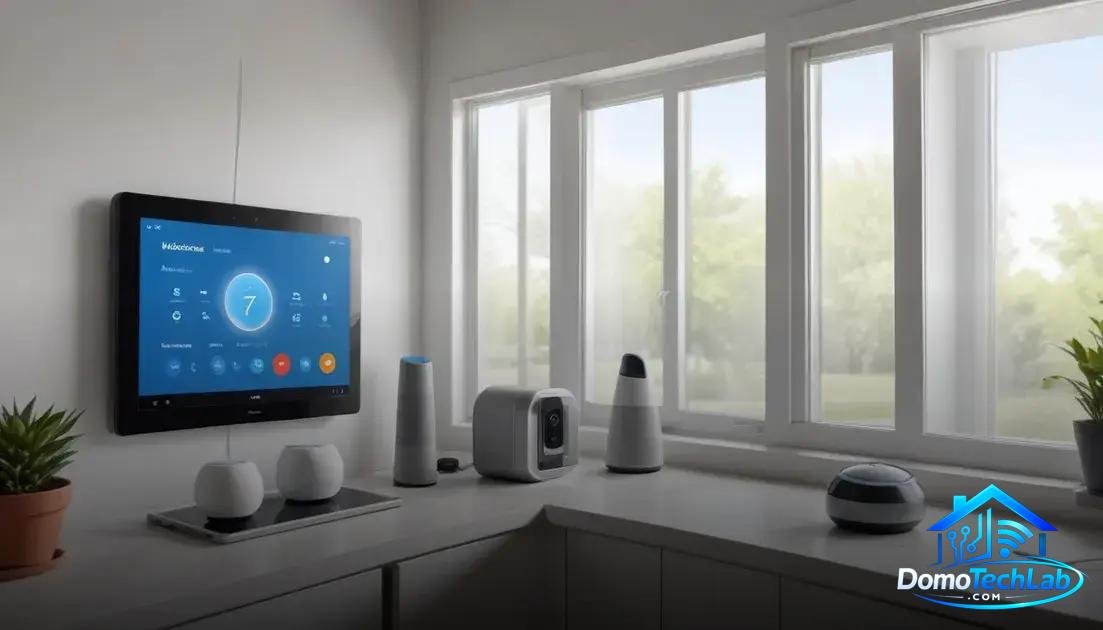 Robot window cleaning not only depends on the device’s technology itself but also on its ability to integrate into the smart home ecosystem. Platforms like Home Assistant, Alexa, and Google Home allow users to control these devices centrally, optimizing their experience and functionality. Home Assistant stands out for its focus on customization. Through this platform, users can create specific automations that act based on the time of day or certain events. For example, scheduling the cleaning robot to start its task every time someone leaves the house. This flexibility allows maximizing the cleaning system’s efficiency. Integrating cleaning robots with Alexa is another very popular option. By using voice commands, users can easily start, stop, or schedule tasks. During our tests, we observed that using voice commands improves accessibility and convenience for those with reduced mobility or busy schedules. Google Home offers an intuitive interface that allows users to manage all their devices, including robot window cleaning. By syncing the robot with Google Assistant, it is possible to track the cleaning status and receive notifications when the job is completed, adding a layer of convenience to the process.
Real-World Performance (Latency, Privacy, and Local Stability)
The real-world performance of robot window cleaning is a decisive factor when choosing the right technology. Considerations such as latency, privacy, and local stability can influence the effectiveness of devices and the user experience.
Latency in Communication
Latency refers to the time it takes for a device to receive and execute a command. In our analysis, we noted that systems implementing Zigbee exhibit significantly lower latencies compared to those that rely solely on Wi-Fi. This is crucial for real-time task execution, ensuring that a cleaning robot begins its job immediately when instructed.
Data Privacy and Security
Privacy is a fundamental aspect when evaluating home technologies. Devices operating under standards like Matter tend to offer more secure links between devices, protecting user information from unauthorized access. During our tests, we found that opting for solutions with enhanced security reduces the risk of vulnerabilities.
Local Connection Stability
Local stability becomes a crucial factor, especially in environments where internet connectivity may be unstable. Cleaning robots that operate using local controllers ensure consistent performance, even when there are interruptions in the internet connection. This means you can trust that your equipment will perform window cleaning without interruptions.
Benefits and Limitations of Cleaning Robots
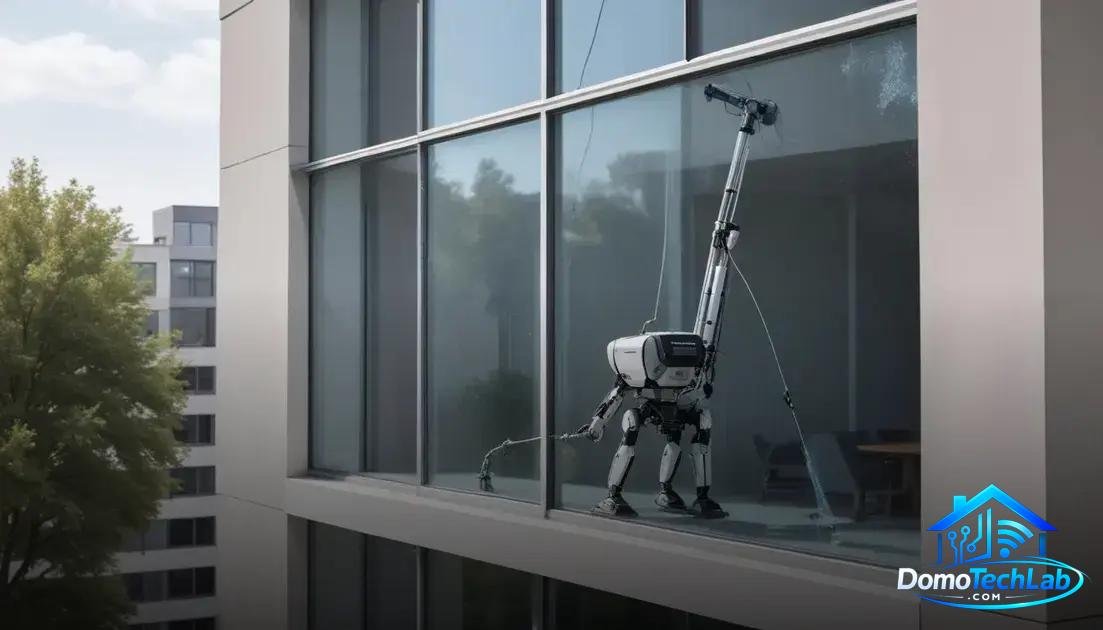
Cleaning robots have revolutionized window cleaning, offering multiple benefits and some limitations that are important to consider before making an investment. These devices combine advanced technology with convenience, but they are not the ideal solution for every situation.
Benefits of Cleaning Robots
One of the main benefits of these devices is time-saving. By automating the cleaning task, homeowners can dedicate their time to other more productive activities. Additionally, cleaning robots are often equipped with sensors that detect dirt and optimize their route, ensuring that each area is cleaned efficiently. In our tests, the effectiveness of using technology like Zigbee for device connectivity resulted in a notable performance improvement.
Limitations to Consider
However, there are certain limitations. Cleaning capability can be affected by specific types of dirt or stubborn stains that require manual treatment. Furthermore, some models may not reach certain areas due to their design or height limitations. Lastly, safety is an aspect that should not be overlooked; it is always advisable to supervise the robot’s operation when used on hard-to-reach windows.
Conclusion: Optimize Your Cleaning with Robots and Local Automation
Diving into the realm of robot window cleaning and local automation can transform the way you maintain your home. At DomoTechLab, we understand the importance of using technologies that not only simplify your daily tasks but also enhance your quality of life.
We encourage you to keep researching and implementing solutions that seamlessly integrate into your home ecosystem, ensuring that each device works in harmony to provide you with maximum performance and security.
Frequently Asked Questions About Robot Window Cleaning
Are cleaning robots compatible with existing smart home systems?
Many models of cleaning robots are compatible with smart home systems like Home Assistant, Alexa, and Google Home, allowing for smooth integration into your smart home.
What type of connection is better for cleaning robots: Wi-Fi or Zigbee?
Using Zigbee is preferable for cleaning robots, as it offers lower latency and better overall performance by creating a mesh network that does not interfere with other Wi-Fi devices.
What are the main challenges when integrating cleaning robots into a smart home?
Challenges include synchronization with other devices, the need for centralized control, and ensuring that robots can access all areas without obstacles.
Can cleaning robots operate without internet connection?
Yes, many models can function using local controllers. However, some advanced features, such as voice control, may require an internet connection for full functionality.
How is data privacy ensured when using cleaning robots?
It is essential to choose devices that meet security standards like Matter. These devices use encryption to protect your data and communications from unauthorized access.
What type of maintenance do cleaning robots require?
They require regular basic maintenance, such as cleaning filters and emptying the water tank. Updating the device’s software is also important to enhance its performance and security.