
Home automation in RVs optimizes your travel experience through local automation, ensuring efficient control over devices like lights, sensors, and security systems, all managed without relying on internet connectivity.
Home automation in RVs is a trend that transforms how we enjoy our travels. Imagine monitoring batteries and water levels from your smartphone, isn’t that great?
Fundamentals and Protocols
To make the most of home automation in RVs, it’s essential to understand the protocols that allow communication between devices. Protocols like Zigbee, Thread, and Wi-Fi offer different advantages and features for automation.
Zigbee: Energy Efficiency
The use of Zigbee is ideal in RVs due to its low energy consumption. It allows multiple devices, such as lights and sensors, to connect to a hub without sacrificing battery life.
Thread: Robust Connectivity
On the other hand, Thread stands out for its ability to form mesh networks. This means devices can communicate directly with each other, enhancing the reliability and stability of your home automation system.
Wi-Fi: High Speed
While Wi-Fi provides fast connection speeds, its use in RVs may be limited by the constant need for a stable network. It’s ideal for bandwidth-heavy devices, such as security cameras.
Integration and Ecosystems
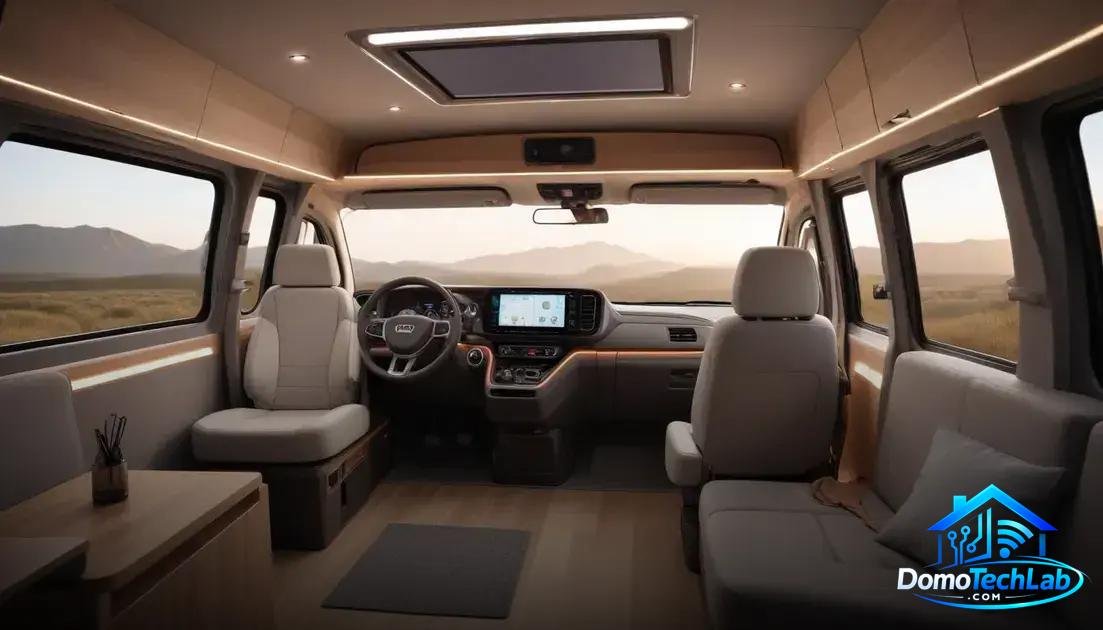
Device integration is essential for creating a functional home automation ecosystem in your RV. Smooth communication between devices allows all functions to work together, enhancing your travel experience.
Home Assistant: The Brain of the Operation
Home Assistant is a highly regarded platform for its ability to integrate various protocols like Zigbee and Wi-Fi. With it, you can control lights, thermometers, and other devices from a single interface. Its flexibility allows you to customize functionality according to your needs.
Alexa and Google Home: Virtual Assistants
Voice assistants like Alexa and Google Home enable automation through voice commands. With compatible devices, you can perform simple tasks, such as turning on lights or adjusting the temperature, without having to press a button. This convenience is especially useful during your travels.
Mobile Device Integration
Controlling everything from your smartphone adds an extra level of convenience. Applications for iOS and Android allow you to monitor the status of each device and receive real-time alerts. This is crucial when you need to keep control over your RV systems while on the move.
Real-World Performance
The performance of home automation in RVs is assessed under real conditions to ensure optimal operation. Factors like latency, security, and stability are key in this environment.
Latency: Instant Response
Latency refers to the time it takes for a device to react to a command. In our tests, we found that systems using Zigbee and Thread provide quicker responses compared to solutions relying solely on Wi-Fi, enhancing the overall experience.
Privacy and Security
Security is a critical issue in home automation. Using protocols like Zigbee and Thread helps encrypt communication between devices. This feature is especially important to protect sensitive data while traveling.
Local Stability
A valuable feature of local automation systems is their ability to operate without internet connectivity. This ensures that devices like lights and sensors keep functioning even in remote areas. In our tests, we confirmed that local stability reduces reliance on external infrastructures, resulting in more reliable performance.
Security and Privacy in RVs
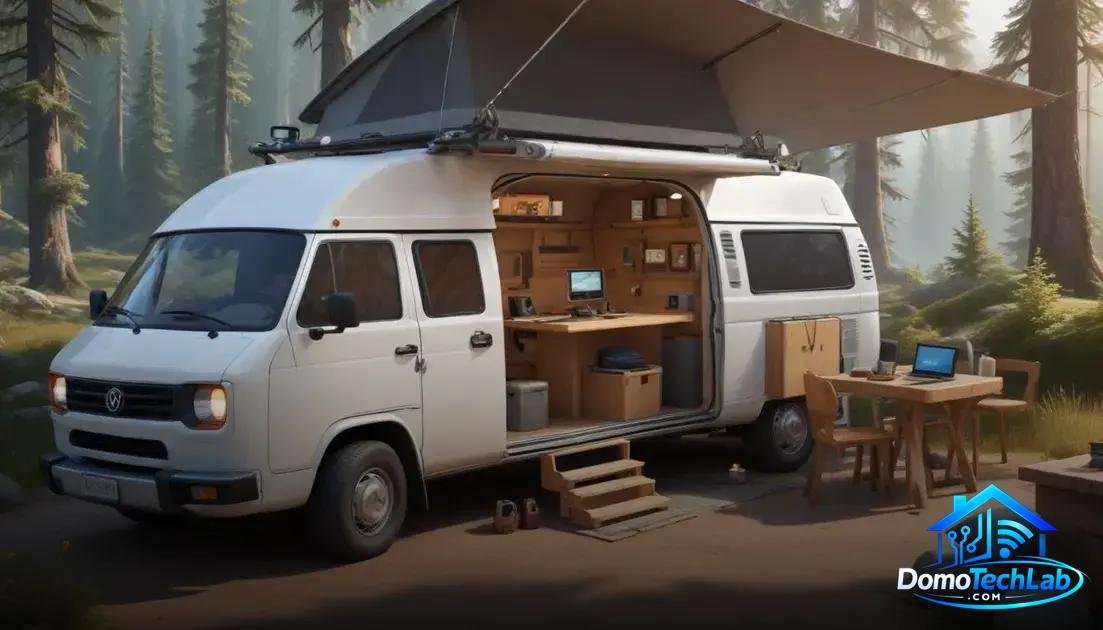
Security and privacy are fundamental aspects when implementing home automation in RVs. With the growing dependence on connected devices, it’s vital to establish robust defenses that protect both personal information and physical equipment.
Encryption in Communication
Utilizing protocols like Zigbee and Thread provides strong encryption for the data transmitted between devices. These technologies ensure that sensitive information remains protected against potential external attacks, minimizing the risk of interceptions.
Authentication and Access Controls
It’s important to implement robust authentication mechanisms. This can include using secure passwords and the option for two-factor authentication. These additional layers reduce the chances of unauthorized access to your home automation network.
Regular System Updates
Keeping your devices updated is crucial for ensuring your system is secure. Firmware updates often fix vulnerabilities that could be exploited. Set a regular schedule to check for and apply these updates, ensuring that your system is always protected.
Conclusion: Home Automation in RVs, Local Automation for Smart Travel
Implementing home automation in RVs offers you unprecedented control over your devices, enhancing comfort and security during your travels. With a focus on local automation, you can enjoy a more reliable and convenient travel experience.
At DomoTechLab, we’re here to provide you with the technical knowledge needed to make the most of every protocol and device. We encourage you to keep researching and adopting solutions that fit your lifestyle and needs on the road.
Frequently Asked Questions about Home Automation in RVs
What devices are compatible with automation platforms?
Most smart devices, such as light bulbs, plugs, and sensors, are compatible with platforms like Home Assistant, Alexa, and Google Home, as long as they use standard protocols like Zigbee or Wi-Fi.
Can I control my devices without internet connectivity?
Yes, if you use a compatible gateway that supports local automation, you can control your devices even without internet connectivity, which is ideal during trips in remote areas.
How does latency affect user experience?
Latency refers to the delay in device response. Using protocols like Zigbee or Thread, which offer mesh connectivity, typically reduces latency and enhances the user experience.
Is it safe to use home automation devices in RVs?
Yes, as long as you implement good security practices, such as two-factor authentication and the use of encrypted communication protocols like Zigbee or Thread, it is safe to use home automation devices in your RV.
How many devices can I connect to a single gateway?
Most gateways allow you to connect dozens of devices, but it’s advisable to check the manufacturer’s specifications. A well-designed system can handle multiple devices simultaneously without issues.
What do I do if I have compatibility issues between devices?
Compatibility may be a challenge. Ensure that all devices are compatible with the same protocol and consult forums or user groups for solutions to specific issues or recommendations for alternative devices.