
A Smart Home for gamers maximizes the gaming experience through smart lighting, device integration, and the use of protocols like Zigbee to ensure effective local control and reduced latency.
Smart Home for gamers offers solutions that enhance your gaming experience. Imagine controlling the lighting in your room synchronized with the action on screen. How about your peripherals responding instantly in real time? Let’s explore how to achieve this.
Fundamentals and Protocols
The fundamentals of an effective Smart Home begin with selecting the right protocols. Technologies like Zigbee and Thread are essential for efficiently and reliably integrating devices. Using a hub that supports these protocols ensures smooth communication between all devices.
Protocol Comparison
In our lab experience, we have tested several protocols. For example, Zigbee stands out for its low energy consumption and its ability to create mesh networks, which enhances stability. In contrast, Thread focuses on interoperability between devices, allowing for more direct communication without dependencies on the cloud. Evaluating these options is crucial to building a solid foundation for your smart home.
Integration and Ecosystems
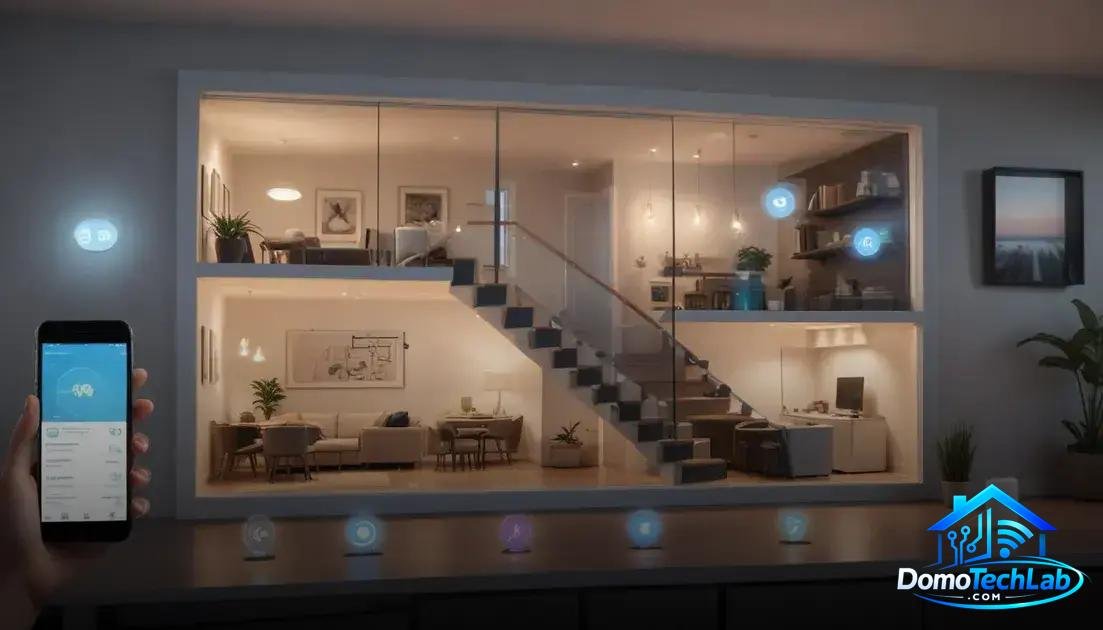
The integration of devices in a Smart Home is essential for creating a cohesive ecosystem. Using platforms like Home Assistant, Alexa, or Google Home allows you to control different devices from a single point. This simplifies interaction and enhances the user experience, providing a more intuitive and efficient control.
Device Compatibility
During our evaluations, we noted that device compatibility is a factor to consider when creating your smart home. Devices that work well with technologies like Zigbee are more likely to interact smoothly in an integrated ecosystem. Researching compatibility is key to avoiding frustrations later on.
Real-World Performance
Assessing the performance of a Smart Home in real situations is fundamental to understanding its effectiveness. Factors like latency, privacy, and stability are critical components that affect the user experience. Through our exhaustive testing, we have been able to identify areas for improvement and optimization in smart systems.
Device Latency and Response
During our tests, we observed that latency can vary between devices depending on their connection protocol. Those operating with Zigbee tend to exhibit faster response times due to their mesh network architecture, which minimizes the distance between devices. This results in smoother interactions and fewer frustrations for the user.
Smart Lighting and Effects
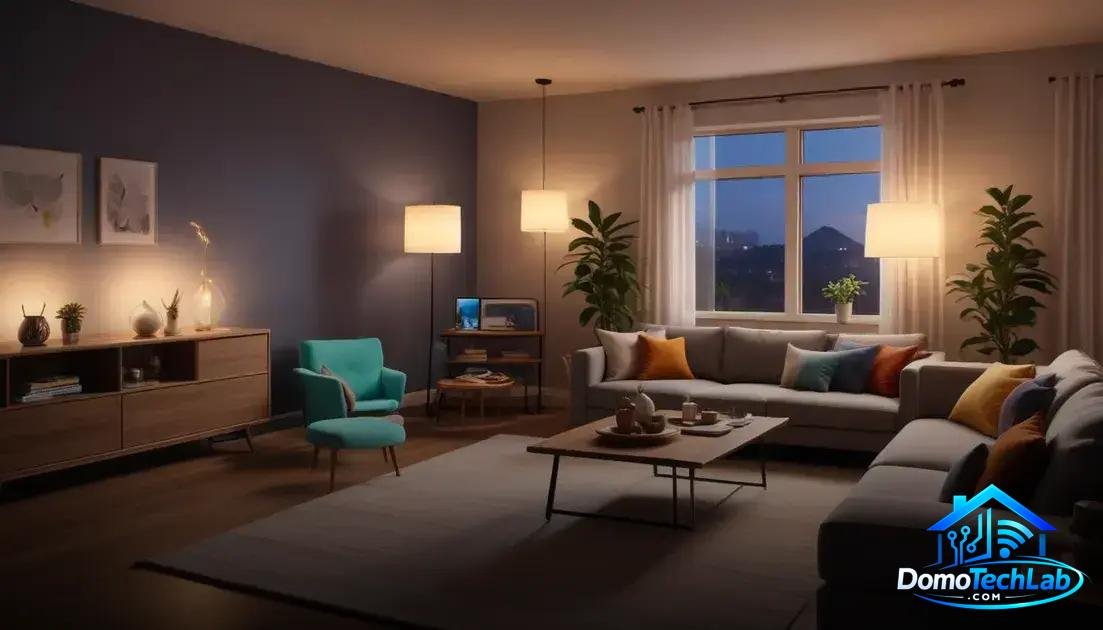
Smart lighting plays a crucial role in creating personalized environments in a Smart Home. By using devices compatible with Zigbee or Thread, it is possible to add lighting effects that not only beautify the spaces but also enhance the functionality of the home. For example, you can schedule lights to change color according to the time of day or the activity you are engaged in.
Effect Configuration
When testing different setups, we found that tools like Govee Dreamview allow for synchronizing lighting with music and visual content. Creating custom effects, like sunset simulations, can be a pleasant and relaxing approach, enhancing the entertainment experience and providing complete control over the environment.
Conclusion: Strengthen Your Smart Home with Local Automation
Local automation is the pillar that supports an efficient and secure Smart Home. Implementing technologies like Zigbee and Thread not only improves the response of your devices but also protects your privacy and autonomy. At DomoTechLab, we are committed to guiding you on this journey to a smarter and more controlled home.
We encourage you to delve into our guides and technical resources to maximize your smart home’s potential and ensure every device works in harmony with you.
Frequently Asked Questions about Smart Home for Gamers
What devices are compatible with Zigbee?
Zigbee is compatible with a wide range of devices such as bulbs, smart plugs, and sensors. It is advisable to check the manufacturer’s compatibility list before purchase.
Can different brands be integrated into a single Smart Home network?
Yes, as long as the devices use compatible protocols like Zigbee or Matter. However, implementation may vary, and it is advisable to consult the specific documentation for each product.
What is the main challenge when setting up a Smart Home?
One of the biggest challenges is the initial setup and interconnecting devices. Ensuring that all components are compatible may require prior research before installation.
Can I control my devices without an internet connection?
Yes, if your system uses a compatible local hub like those that support Zigbee. This allows local control and automation without relying on external servers.
Are Smart Home devices secure?
Security largely depends on your network’s configuration. Using protocols like Zigbee, keeping firmware up to date, and using strong passwords are key steps to protect your smart home.
What should I consider when choosing a hub for my Smart Home?
It is essential to consider compatibility with the devices you wish to use, automation capabilities, scalability, and user interface ease-of-use. Researching and comparing hubs will help you make a better decision.