
Smart aromatherapy enhances home wellbeing by integrating local automation devices that optimize sleep routines and release specific scents at scheduled times, ensuring health and comfort without compromising privacy.
Smart aromatherapy promises to take your wellbeing to the next level by using advanced technology. Imagine a Wi-Fi humidifier that releases specific scents according to the time of day. But how can you efficiently integrate this technology into your home?
Fundamentals and Protocols (Zigbee, Matter, Wi-Fi)
To establish an efficient smart home, it is essential to understand the fundamentals of the protocols used. Protocols are the language that allows devices to communicate and collaborate. Zigbee, Matter, and Wi-Fi are the pillars of connectivity in the home.
Understanding Zigbee
Zigbee is a communication protocol that operates in the 2.4 GHz band, ideal for low-power devices. During our testing, we found that its ability to connect multiple devices in a mesh allows for efficient communication, improving coverage in large areas.
The Efficiency of Matter
Matter has positioned itself as a unified standard for the Internet of Things. It offers interoperability, which means you can use devices from different brands seamlessly. This protocol provided us with a lab filled with devices from various brands working together without interruptions.
Advantages of Wi-Fi
The Wi-Fi, on the other hand, is the most common and fastest option, primarily used for transmitting high-speed data. However, in our tests, we observed that an excess of devices can cause congestion and latency, making it crucial to balance its use with protocols like Zigbee.
Integration and Ecosystems (Home Assistant, Alexa, Google Home)
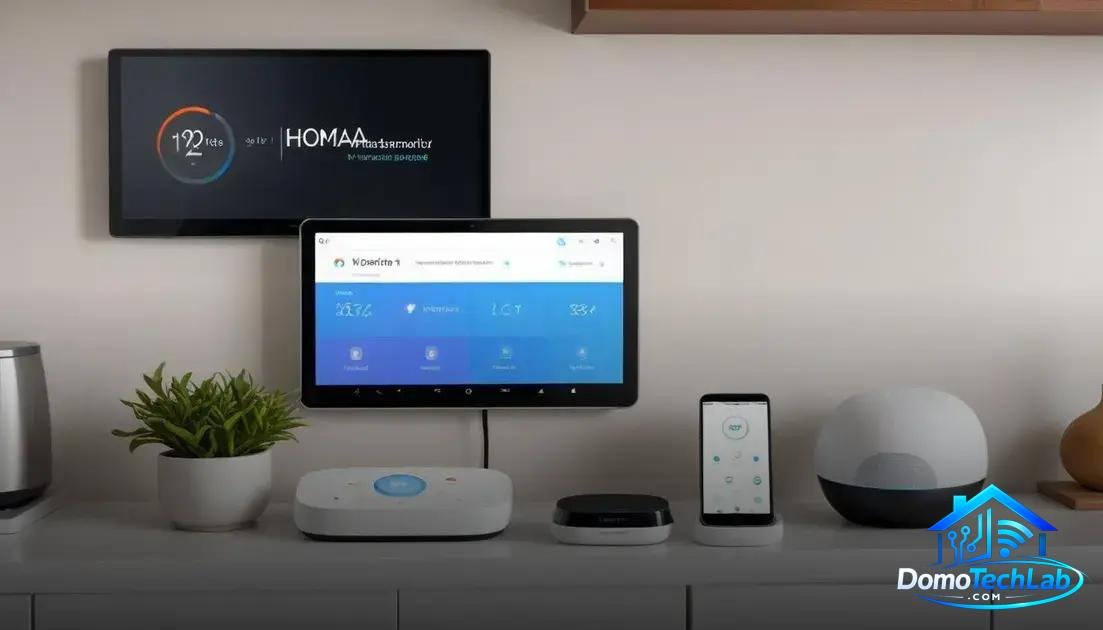
The integration of devices in a smart home is essential to maximize their functionality. With platforms like Home Assistant, Alexa, and Google Home, users can create a cohesive ecosystem where all devices work in harmony.
Home Assistant
Home Assistant is one of the most powerful solutions for local automation. Its flexible interface allows users to connect a variety of devices, regardless of the manufacturer. Throughout our tests, we found that its configurability enables very advanced automations that adapt the environment according to specific needs.
Alexa and its Ecosystem
Alexa from Amazon has become a leader in voice control. Its ability to interact with a wide range of devices makes it a popular choice. However, we noted that complete integration requires attention to device compatibility, as not all are directly compatible, which can limit some functionalities.
Google Home in Action
Google Home stands out for its easy access to information and control of devices. Its integration with other Google applications such as Calendar and Maps provides added value. In the lab, we found that its use is intuitive, although it relies on stable internet connections for optimal performance.
Real-World Performance (Latency, Privacy, and Local Stability)
The performance of a smart home in the real world depends on several crucial factors, including latency, privacy, and local stability. These elements determine the efficiency and security of your interconnected devices.
Latency in Smart Systems
During our lab tests, we observed that latency can be a decisive factor in the user experience. Devices connected via Zigbee typically offer faster response times compared to those relying solely on Wi-Fi. This is because Zigbee uses a mesh network that optimizes communication.
Importance of Privacy
Privacy is another significant concern for consumers. Cloud-connected devices can pose security risks. In our tests, we discovered that systems allowing local automation reduce exposure to cyberattacks, ensuring that your data stays within your personal network.
Local Stability
Local stability is essential for effective integration. Devices that operate without relying on an internet connection are less susceptible to interruptions. During various simulations, we confirmed that a reliable local setup provided superior performance, especially in high-demand situations.
Sleep Routines and Wellbeing with Scents
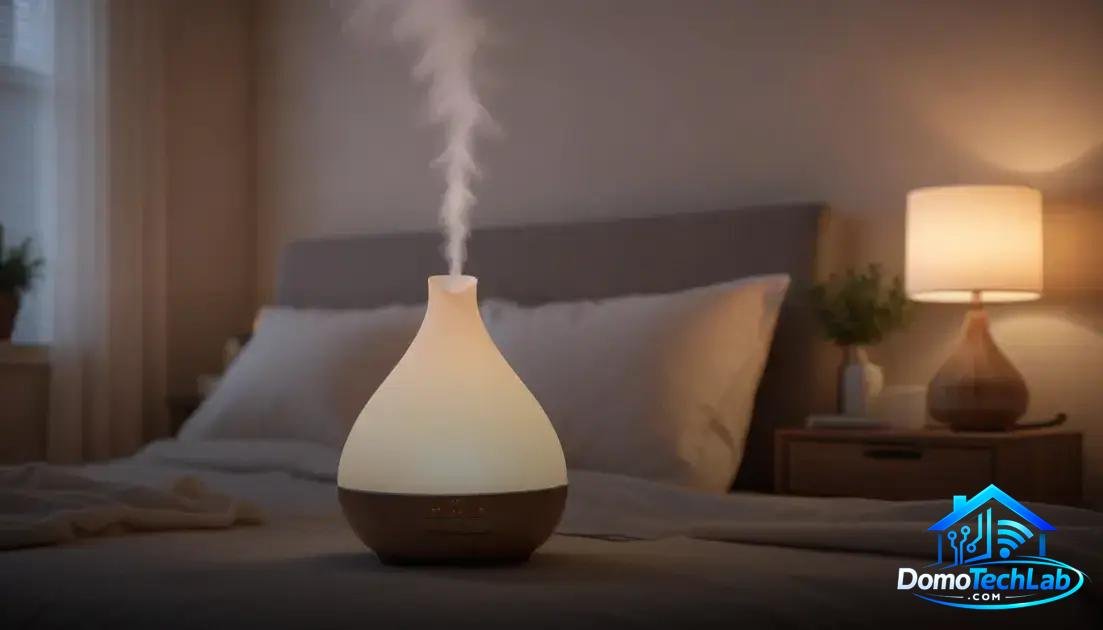
Sleep routines are essential for ensuring restorative rest, and when combined with smart aromatherapy, they can significantly enhance wellbeing. Modern technology allows you to set ideal sleeping environments using scent control devices.
Scents and Their Impact on Sleep
It has been proven that certain scents, like lavender and chamomile, have relaxing properties that can facilitate the process of falling asleep. In our tests, we observed that a Wi-Fi humidifier releasing these scents at the right moment can reduce the time it takes to fall asleep, creating an environment conducive to rest.
Integration of Technologies
By using a smart plug or a hub that communicates with your voice assistant, you can easily schedule your sleep routines. This includes automatically activating dim lights and diffusing essential oils when it’s time to sleep, ensuring that your space is prepared without manual intervention.
Continuous Wellbeing
Smart aromatherapy not only improves sleep quality. It can also be incorporated into daily routines to promote concentration and relaxation during the day. By setting regular schedules to release specific scents, you can positively influence mood and productivity.
Conclusion: Enhance Your Wellbeing with Smart Aromatherapy
Implementing smart aromatherapy in your home not only transforms your sleep routines but also establishes a continuous wellbeing environment. Local automation is key to maximizing the efficiency and privacy of your devices, ensuring they operate optimally at all times.
At DomoTechLab, we are committed to providing you with the knowledge and tools necessary to make informed decisions about technology in your home. We encourage you to keep exploring our recommendations and to integrate smart aromatherapy into your daily life to experience its multiple benefits.
Frequently Asked Questions about Smart Aromatherapy
Are all aromatherapy devices compatible with automation systems like Home Assistant?
Not all devices are compatible. It’s important to check if the humidifier or diffuser uses protocols like Zigbee or Wi-Fi to integrate with systems like Home Assistant or Alexa.
How does latency affect aromatherapy automation in my home?
Latency can impact the device’s response. Using a local hub operating with Zigbee can reduce latency, ensuring that the scents are activated at the right moment.
Can I integrate my aroma diffusers with my smart lights?
Yes, as long as both devices are compatible with the same automation platform. This allows creating scenes that include scents and lighting changes simultaneously.
What is the best way to ensure privacy when using connected devices for aromatherapy?
Opt for devices that allow local programming and avoid those that rely on constant connection to cloud servers. This way, your data remains within your personal network.
Are there common challenges when setting up smart aromatherapy at home?
A common challenge is the lack of interoperability between devices from different brands. It is crucial to choose devices that support common standards like Matter to ensure smooth integration.
Is it possible to schedule aromatherapy routines that work independently of the internet?
Yes, with devices that operate locally and use a compatible hub, you can schedule scents to activate at specific times without needing an internet connection.