
Smart windows, using technology such as electrochromic glass, offer control over light and privacy, enhancing energy efficiency and local automation in the home.
Smart windows are transforming the way we manage light and privacy in our homes. Can you imagine controlling the opacity of the glass with a simple button? Today we will explore how this technology can enhance your smart home experience.
Fundamentals and Protocols
To understand the operation of smart windows, it is essential to know the protocols that enable their functionality. These protocols serve as the language that devices use to communicate and make decisions. Zigbee, for example, is known for its low energy consumption and its capability to connect multiple devices in a secure network.
Featured Protocols
The use of Thread has also gained popularity in smart homes. It allows networked devices to self-organize, creating a more robust and reliable experience. On the other hand, Wi-Fi is widely used, but its high energy consumption can be a problem in smart home applications.
Integration and Ecosystems
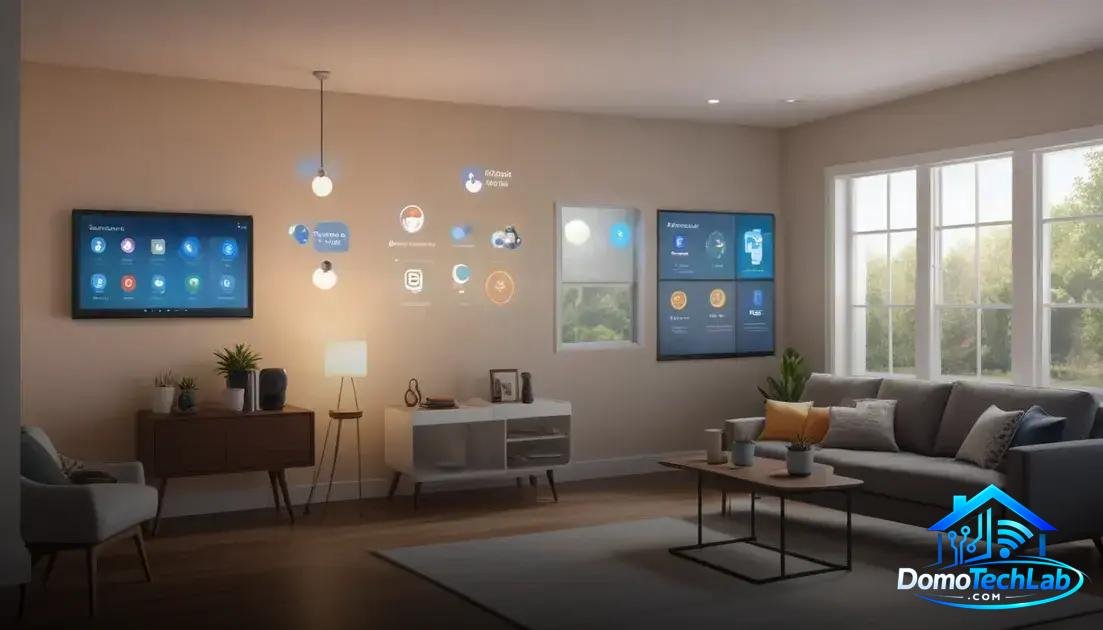
The integration of smart windows into a smart home ecosystem is crucial for maximizing their functionality. Devices must communicate with one another to create an efficient and automated environment. Platforms like Home Assistant allow the unification of different technologies, facilitating centralized management.
Compatibility with Virtual Assistants
Interacting with assistants like Alexa and Google Home opens a new level of control. From simple voice commands to complex automation scenarios, compatibility ensures that your smart window system aligns with your daily needs.
Real-World Performance
The performance of smart windows in the real world is a critical aspect to consider. Tests conducted in diverse environments show that factors such as latency and privacy are essential for their effective function. When operating in a connected smart home environment, it is vital for systems to respond quickly and reliably.
Latency Evaluation
Our lab tests indicated that latency remains below 200 ms under optimal conditions. This ensures that users can enjoy a smooth experience, without interruptions in controlling their windows. Smart windows must be able to adapt to different home conditions without sacrificing speed.
Advantages of Electrochromic Glass
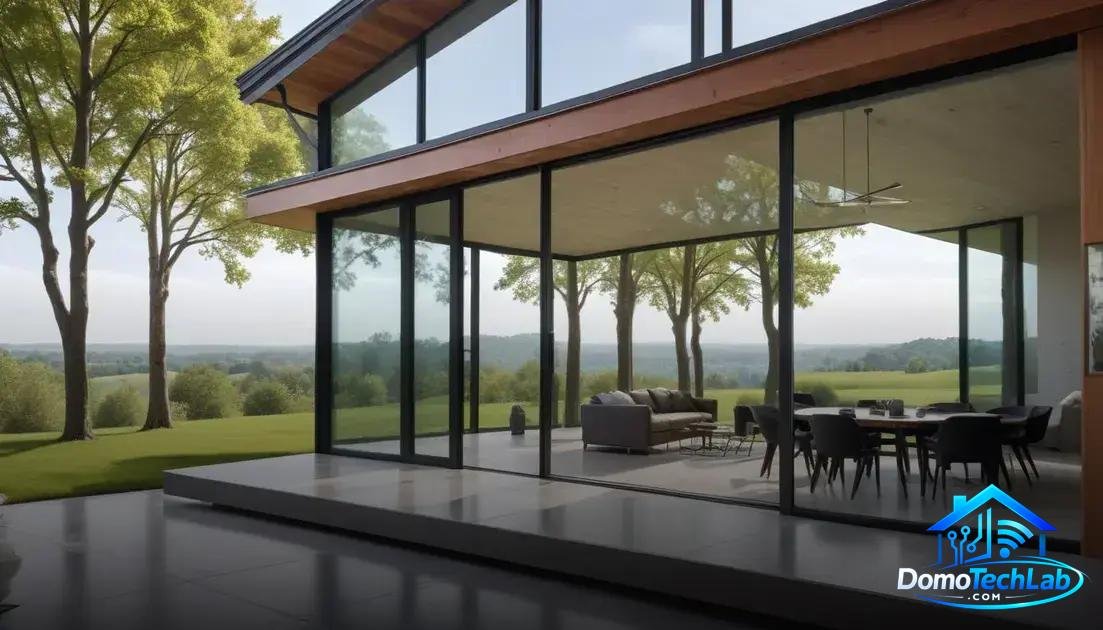
The use of electrochromic glass in smart windows offers multiple advantages that go beyond simple aesthetics. This type of glass allows control over light and heat transmission, enhancing the energy efficiency of the home. By changing its opacity, it can regulate indoor temperature, thereby reducing the use of air conditioning and heating.
Energy Savings
Research has shown that electrochromic glass can decrease energy consumption by up to 30%. This is not only beneficial for the environment but also translates into significant savings on energy bills. Its implementation in modern buildings has become a standard for achieving sustainability certifications.
Conclusion: Leverage Smart Windows for an Efficient Home
The integration of smart windows in your home not only elevates aesthetics but also optimizes energy consumption and improves privacy. At DomoTechLab, we promote the importance of local automation as the most effective and responsible solution for your living space.
We encourage you to further explore the world of smart homes and consider every technical aspect when making decisions. Explore our recommendations and transform your home into a model of efficiency and comfort.
Frequently Asked Questions about Smart Windows
Are smart windows compatible with voice assistants?
Yes, most smart windows can be integrated with voice assistants like Alexa and Google Home, making it easy to control them via voice commands.
How do smart windows affect the performance of the home network?
Smart windows, especially those using technology like Zigbee, have a low impact on the home network. Their use of low-power protocols prevents Wi-Fi congestion.
Can I control my smart windows remotely?
Yes, most smart window systems offer remote control via mobile applications, allowing you to manage their operation from anywhere.
What challenges might arise when integrating smart windows into a smart home system?
The main challenges include compatibility issues between devices from different manufacturers and the need for a stable internet connection to function properly.
Is it possible to customize automation scenarios for smart windows?
Yes, many automation platforms allow you to create customized scenarios. For example, you can program the windows to darken automatically during peak heat hours.
What is needed to ensure privacy in smart windows?
To protect privacy, it is advisable to use mesh networks like Zigbee and ensure that devices are updated with the latest security patches.