
Smart locks for Airbnb provide benefits like automatic check-in and management of temporary codes, but it is crucial to ensure their security through protocols like Zigbee or Matter and local control options.
Smart locks for Airbnb are a crucial tool that allows property owners to manage entries and exits efficiently. Can you imagine how convenient it would be to enjoy automatic check-in? In this article, we will explore the best options and how to choose the ideal lock for your property.
Fundamentals and Protocols (Zigbee, Matter, Wi-Fi)
To implement smart locks in your property, it is essential to understand the protocols that power them. Systems like Zigbee, Matter, and Wi-Fi are essential to ensure security and interoperability between devices.
Zigbee Protocol
The Zigbee protocol is characterized by its low energy consumption and its ability to form mesh networks. This means that each device can communicate with each other, improving network reliability and extending communication range.
Matter Protocol
Matter is a new standard designed to simplify connectivity between devices from different manufacturers. When you choose locks compatible with Matter, you ensure smooth integration with various smart home automation ecosystems.
Wi-Fi Connectivity
Wi-Fi offers a direct connection to the internet, allowing remote control and real-time monitoring of your locks. However, the load on the network can cause latencies, so consider your network infrastructure when making your choice.
Integration and Ecosystems (Home Assistant, Alexa, Google Home)
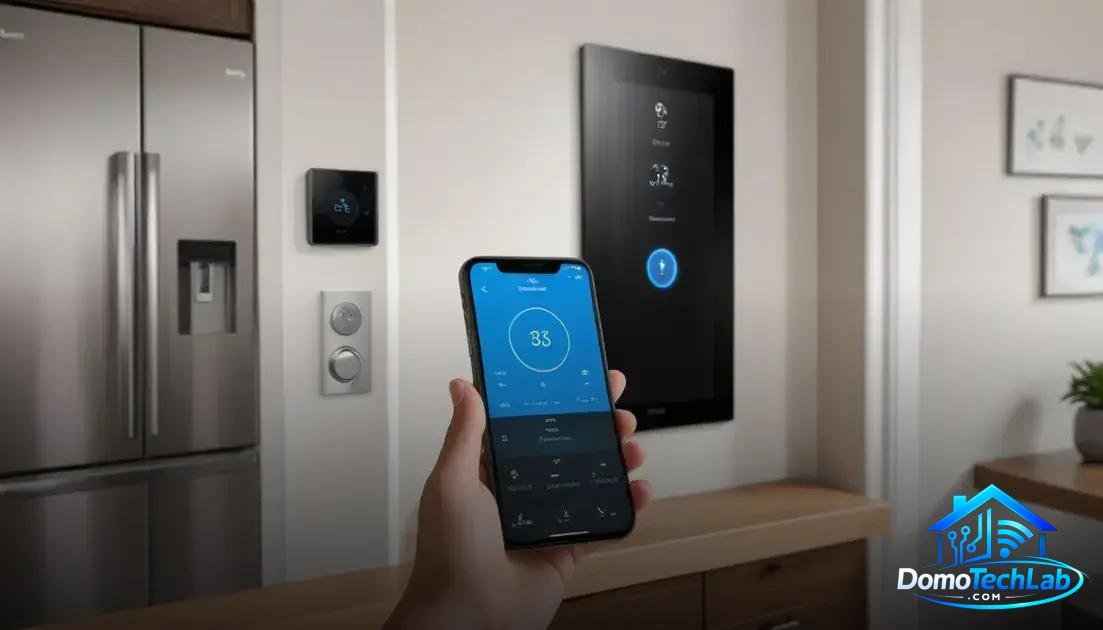
Integrating your smart lock into a home automation ecosystem is crucial for maximizing its functionality. Systems like Home Assistant, Alexa, and Google Home allow you to manage multiple devices from a single interface, making property management more efficient.
Home Assistant
Home Assistant is an open-source platform that allows integrating devices from different brands. Its flexibility and customization make it a preferred choice for tech enthusiasts. By configuring your lock through this platform, you can create complex automations that interconnect all your smart devices.
Alexa
If you use Alexa, you can control your lock through voice commands. This not only offers convenience but also allows you to set schedules and routines, such as automatic locking of your lock at certain times. It’s important to verify compatibility with your lock before integration.
Google Home
Google Home provides a similar experience, allowing voice control and management of devices through its app. By integrating your smart lock, you can receive notifications about the lock’s status, ensuring that you always have control over your property.
Real-World Performance (latency, privacy, and local stability)
When evaluating smart locks, it is essential to consider their real-world performance. Factors like latency, privacy, and local stability are crucial to ensure that your system operates efficiently and securely.
Latency
Latency refers to the time it takes for a command to be processed. In lab tests, we have observed that locks using protocols like Zigbee exhibit much lower latency compared to those that rely solely on Wi-Fi. This means you can expect a quicker response when locking or unlocking the lock.
Privacy
Privacy is essential when discussing IoT devices. Smart locks must ensure that access data remains secure. By choosing locks compatible with Matter, you can enjoy a higher level of security due to the encryption standards implemented, protecting your information from unauthorized access.
Local Stability
Having local control means that you can operate your lock even without an internet connection. This is vital in situations where connectivity is unstable. Locks that allow local control via a hub or gateway are more reliable, as they do not depend on external servers and ensure that your access is not interrupted.
Smart Locks: Benefits and Considerations
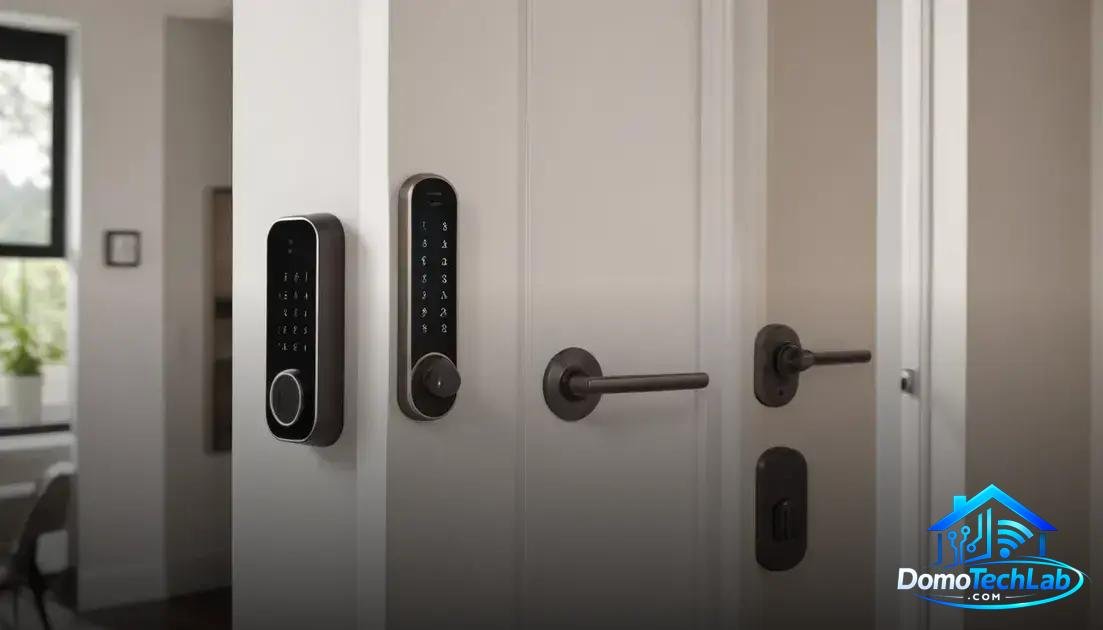
Smart locks are revolutionizing access management in homes and rentals like Airbnb. These devices offer multiple benefits, but there are also important considerations to keep in mind to make the most of their functionality.
Benefits of Smart Locks
One of the main advantages of smart locks is the ability to perform automatic check-in. This allows guests to enter the property without the need for a physical key. Additionally, temporary code management features save time for both owners and tenants.
Security Considerations
While smart locks offer conveniences, security should be a priority. It is essential to choose models that employ protocols like Zigbee or Matter to ensure that the transmitted information is encrypted. Checking the quality and security certifications is crucial to avoid vulnerabilities.
Compatibility with Existing Systems
Before purchasing a smart lock, review compatibility with your existing devices or ecosystems. Locks that integrate with systems like Home Assistant, Alexa, and Google Home will provide a more unified and complete user experience, optimizing your home automation.
Conclusion: Smart Locks for Airbnb and the Importance of Local Automation
Incorporating smart locks into your property not only enhances the guest experience but also reinforces security and efficiency in rental management. By prioritizing local automation, you ensure smooth operation without relying on external connections.
At DomoTechLab, we are committed to providing you with the information and support needed to make informed decisions. Explore our guides to optimize your smart home and make the most of your devices.
Frequently Asked Questions About Smart Locks for Airbnb
Are smart locks compatible with my existing automation system?
Most smart locks are compatible with popular systems like Home Assistant, Alexa, and Google Home. Check the manufacturer’s specifications to ensure compatibility before purchasing.
Can I use a smart lock without an internet connection?
Yes, many smart locks offer local control through a hub, allowing you to operate the lock without an internet connection, ensuring access even in case of network failures.
Which lock communication protocol is the most secure?
Protocols like Zigbee and Matter implement robust encryption, providing a high level of security. It is advisable to choose locks that utilize these protocols.
Can a smart lock be hacked?
Like any connected device, there is a potential risk. However, choosing locks from reputable brands that follow security standards and receive regular updates significantly reduces this risk.
Do smart locks operate on batteries?
Yes, most smart locks operate on batteries. It’s important to check battery life and have backup options, such as a physical key, in case the battery runs out.
What should I do if I have connectivity issues with my smart lock?
First, check your Wi-Fi or Zigbee network signal. Make sure the hub is situated in an appropriate location. If the issue persists, consult the manufacturer’s technical support for specific instructions.