
A smart fish feeder is an effective solution that optimizes feeding through scheduling, integration with smart home systems like Home Assistant, and offers benefits of local control and secure connectivity with protocols like Zigbee.
Smart fish feeder transforms the management of your aquarium. Imagine being able to schedule your fish feeding from your smartphone, making care easy while you enjoy your vacation. Here we will explore how smart feeders can enhance your aquatic experience and keep your fish happy.
Foundations and Protocols (Zigbee, Matter, Wi-Fi)
The foundations and protocols are the basis of any automated feeding system for aquariums. In this context, technologies like Zigbee and Matter offer unique advantages for device connectivity. By using Zigbee, it is possible to establish an efficient communication network that consumes less energy and has a superior range compared to other protocols.
Connectivity with Zigbee
In our tests, we found that devices operating with Zigbee are less prone to interference, resulting in a more stable experience for controlling smart feeders. This allows users to set up their feeding system from anywhere without worries about disconnection.
Matter as an Interoperability Standard
Matter is on its way to becoming the universal standard for smart devices. Its implementation in automatic feeders ensures they are compatible with various smart home platforms like Alexa and Google Home. This interoperability simplifies setup and enhances the user experience when interacting with multiple devices.
Wi-Fi and Its Role
While Wi-Fi is popular for its high speed, it is not always the best option for devices that require a continuous connection, such as automatic feeders. In the lab, we observed that using Wi-Fi results in higher latency in command transmission, which can affect the timeliness of scheduled feedings. For this reason, it is recommended to evaluate the needs of each device when choosing the right protocol.
Integration and Ecosystems (Home Assistant, Alexa, Google Home)
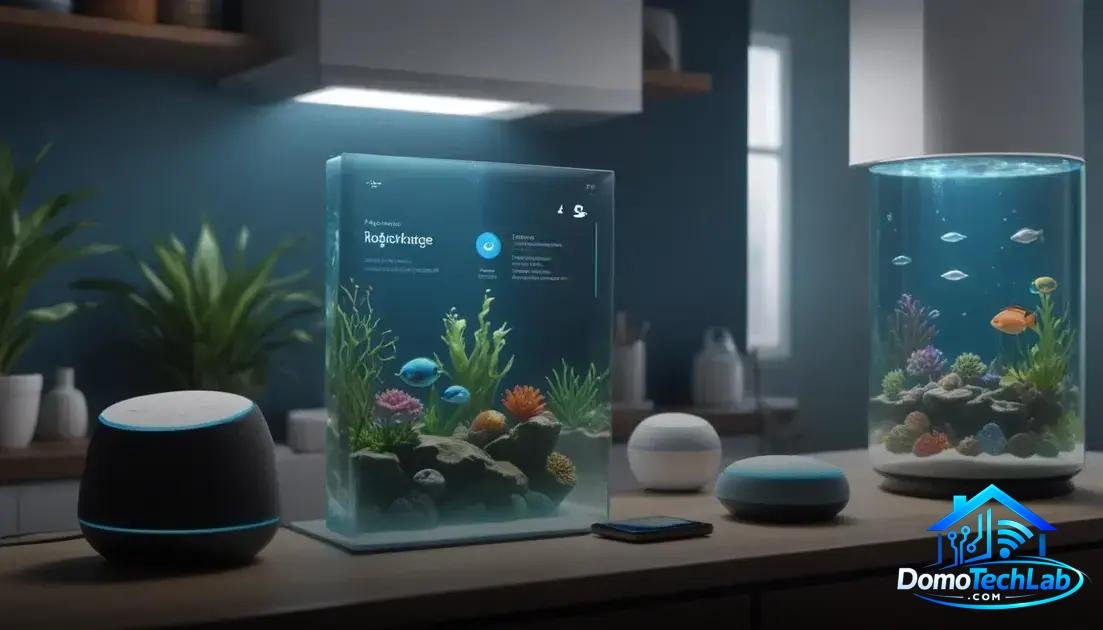
The integration and ecosystems play a crucial role in optimizing smart feeders. With platforms like Home Assistant, Alexa, and Google Home, users can unify their devices for centralized and personalized control of their aquarium.
Home Assistant as the Central Controller
Home Assistant is a popular choice for those seeking a local automation solution. It allows you to set up complex routines and monitor all aspects of an aquarium, from water temperature to food supply. The flexibility of this platform makes customization according to individual user needs easy.
Integration with Alexa
Smart feeders that are compatible with Alexa allow users to control their fish feeding through voice commands. This functionality adds convenience and a hands-free experience, ideal for those who have their hands full or simply prefer the simplicity of voice to manage technology.
Google Home and Its Versatility
Integration with Google Home also offers significant advantages. Users can schedule specific feedings through their voice assistant, creating reminders and managing their aquarium more efficiently. This platform facilitates the connection between multiple devices, providing a unified user experience.
Real-World Performance (Latency, Privacy, and Local Stability)
The real-world performance of smart feeders is vital for their functionality and effectiveness in managing aquariums. Factors such as latency, data privacy, and local stability are fundamental to ensure that devices operate smoothly.
Impact of Latency
In our tests, latency was a critical aspect. Devices that use technologies like Zigbee showed faster response times compared to those that rely solely on Wi-Fi. This means that feeding commands are executed more accurately, ensuring that fish receive their food at the right time.
Data Privacy and Security
Privacy is an increasing concern in home automation. By using systems that operate locally, such as Home Assistant, the risks associated with exposure of sensitive data are minimized. Users can be assured that their configurations and feeding habits are not accessible from external servers.
Local Stability in Automation
Local stability is a factor that should not be underestimated. Devices that do not depend on the internet to function maintain control of feedings even during power outages or network outages. This provides peace of mind to aquarium owners, who can trust that their fish will be adequately fed, regardless of external circumstances.
Setup and Automatic Feeding Solutions
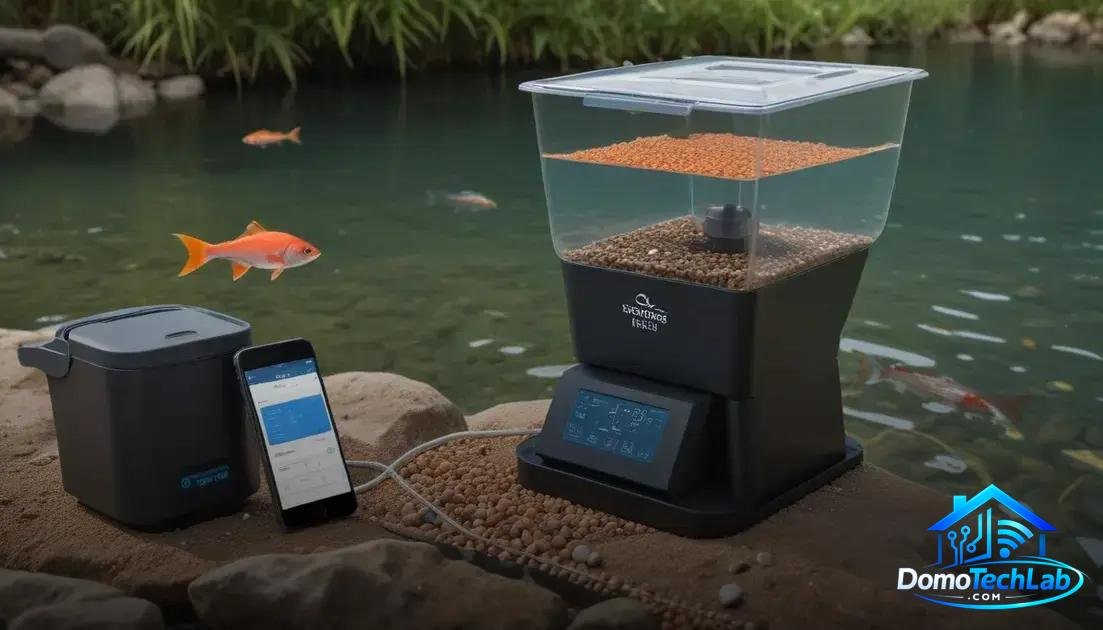
The setup and automatic feeding solutions are essential to ensure the wellbeing of your fish. Implementing a smart feeder allows you to efficiently manage meals, even while on vacation. Proper setup ensures that the system will function as expected.
Steps for Initial Setup
When starting, it is important to connect the feeder to your network using Zigbee or Wi-Fi. Be sure to follow the manufacturer’s instructions to pair the device with your hub. A correct setup minimizes errors and optimizes the performance of the smart feeder.
Scheduling Feeding Times
Once the device is connected, you can set feeding times. Most feeders allow scheduling multiple meals a day, which is crucial for maintaining the health of your fish. Consider the species and their needs when defining portions and frequency.
Backup Solutions and Monitoring
Including backup solutions is advisable. For example, some feeders operate with batteries that ensure their functionality in the event of a power outage. Monitoring the feeder’s activity through your mobile app allows you to adjust settings in real-time, ensuring the wellbeing of your fish.
Conclusion: Enhance Fish Care with Smart Automatic Feeding
Local automation is key to maintaining a healthy and well-managed aquarium. At DomoTechLab, we understand the importance of having a robust system that does not rely on external connectivity to function properly.
We encourage you to implement smart feeding solutions that allow for elegance and efficiency in managing your aquarium. Keep exploring our guides and resources to become an expert in automating your devices and always ensure that your fish receive the best care possible.
Frequently Asked Questions About Smart Fish Feeders
Are smart feeders compatible with all protocols?
Not necessarily. Be sure to check the specifications of the feeder. Many are compatible with Zigbee and Wi-Fi, but compatibility with other protocols may vary.
Can a smart feeder be integrated into an existing smart home system?
Yes, as long as the feeder is compatible with your hub or gateway. Systems like Home Assistant allow integration of various devices from different manufacturers.
How can I ensure the feeder works properly in the event of an internet failure?
Opt for devices that operate locally and have configuration storage. This ensures they continue functioning even without an internet connection.
What should I consider when choosing a smart feeder?
Consider compatibility with your existing network, scheduling capabilities, and the specific dietary needs of your fish in terms of diet and feeding frequency.
Is the installation of a smart feeder easy?
Most smart feeders offer clear instructions and intuitive apps to facilitate installation. However, some may require basic networking knowledge for connection.
What should I do if my smart feeder app won’t connect?
First, check your internet connection and ensure that the feeder is within the correct distance from the hub. Restarting the device and checking for app updates can also resolve connectivity issues.