
Local automation in a smart home allows for the efficient integration of devices such as smart plugs and bulbs using protocols like Zigbee and Thread, ensuring effective control and enhancing the user experience without depending on internet connectivity.
Smart Home for parties can turn any event into a memorable experience. With the right technology, syncing lights and music has never been easier. Can you imagine a party where the lighting changes to the rhythm of the music?
Fundamentals and Protocols
Understanding the fundamentals of a smart home requires knowledge of the protocols that enable communication between devices. The most widely used in the industry are Zigbee, Thread, and Wi-Fi. Each has its advantages, adapting to different usage scenarios.
Zigbee Protocol
The Zigbee protocol is known for its low power consumption and its ability to create mesh networks. This allows devices to communicate without the need for a constantly active central controller, thus reducing the points of failure in your system.
Thread Protocol
Thread is another protocol that has gained popularity in home automation. Its structure also allows devices to connect to each other efficiently, prioritizing security and ease of connectivity in networks of smart devices.
Wi-Fi Protocol
Wi-Fi is more familiar to most users, although it is not optimized for smart homes compared to Zigbee and Thread. Its use can overwhelm the network if too many devices are connected, often resulting in poor performance.
Integration and Ecosystems
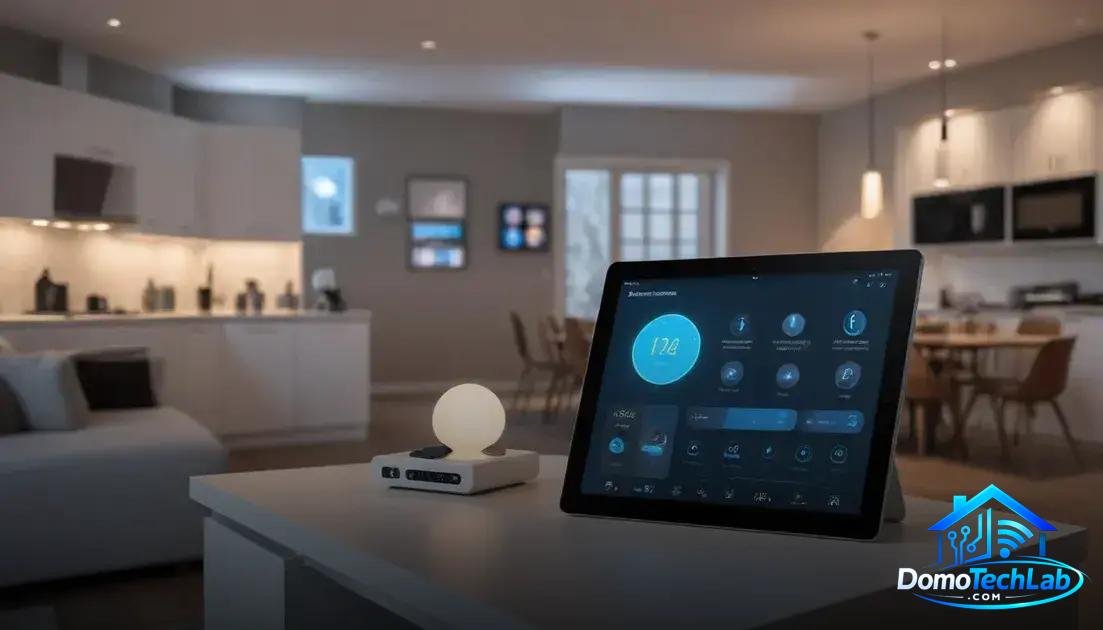
The integration of devices in a smart ecosystem is crucial to getting the most out of your smart home. Devices that work together can create smoother and more personalized experiences. To achieve this, it’s necessary to use platforms like Home Assistant, Alexa, and Google Home.
Home Assistant
Home Assistant is one of the most flexible solutions for home automation. It allows for the integration of a wide variety of devices, regardless of their protocol. This gives you total control over your environment, enabling you to customize scenes and automations.
Alexa
Amazon’s virtual assistant, Alexa, provides a user-friendly interface to control your devices. Its ability to interact with hundreds of brands makes it a popular option in many homes. By using voice commands, you can adjust lights, control music, and manage other connected devices easily.
Google Home
Google Home integrates similarly, using the search engine’s intelligence to provide quick answers and device management. Its focus on functionality and accessibility makes it a valuable option for those seeking an efficient user experience.
Real-World Performance
Analyzing the performance of a smart home in real-world situations is essential for understanding its effectiveness. Factors such as latency, privacy, and stability are critical when evaluating the user experience.
Latency in Automations
Latency is an essential aspect, as it determines how quickly a command is executed. In our tests, devices operating on protocols like Zigbee offer faster responses compared to those relying solely on Wi-Fi. This translates to a much smoother and more reliable user experience.
Privacy Considerations
Privacy is also paramount. Using systems that process data locally reduces the risk of leaks. Configurations with Zigbee allow information to remain within your network, increasing the security of your home.
Local System Stability
Finally, stability relates to the system’s ability to continue functioning independently of the internet connection. Devices that connect to a hub locally ensure that automations and control remain active, even if there are outages in the external network.
Lighting and Speaker Configurations
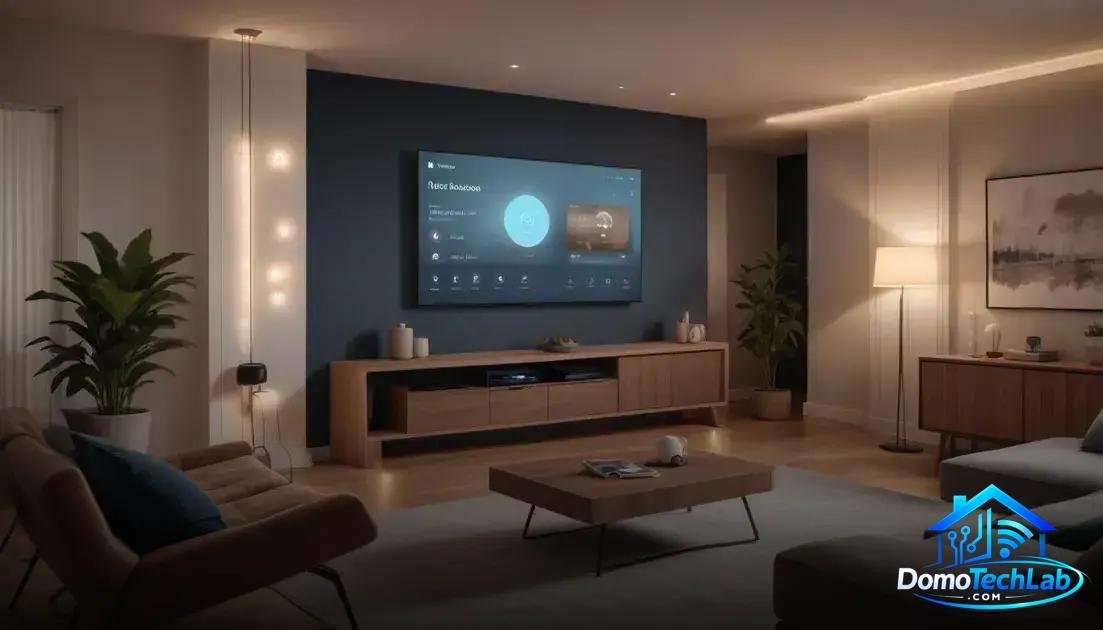
Lighting and speaker configurations are fundamental to creating a cozy and functional environment in a smart home. Using suitable devices and connecting them via protocols like Zigbee or Thread allows for the automation of the home experience.
Smart Lighting
Smart bulbs are key components in any smart home system. You can program them to turn on at sunset or adjust their brightness and color via a hub or your smartphone. This not only enhances aesthetics but also saves energy by avoiding unnecessary usage.
Speaker Integration
Smart speakers are essential for voice control and creating customized soundscapes. Integrating speakers with your smart home system allows you to play music or atmospheric sounds that sync with the lighting. This creates an immersive experience, ideal for parties or relaxation moments.
Custom Scenes
Creating custom scenes is one of the greatest advantages of lighting and speaker configurations. You can program multiple devices to act together. For example, a “dinner” scene can dim the lights and play soft music, all with a single command.
Conclusion: Discover the Power of Local Automation in Your Smart Home
Local automation is a transformative solution to enhance the efficiency and safety of your smart home. By relying on technologies like Zigbee and Thread, you can create a solid ecosystem that operates independently of the internet, prioritizing both functionality and privacy.
At DomoTechLab, we are committed to providing you with the knowledge and tools you need to make informed decisions. We encourage you to continue exploring our guides and resources, so that every automation you implement brings you closer to the home of your dreams.
Frequently Asked Questions about Smart Home for Parties
Are all devices compatible with each other?
Not all devices are compatible. It is crucial to choose products that support the same protocols, such as Zigbee or Thread, to ensure a smooth integration.
What should I do if the automation does not work as expected?
First, check the connectivity of the devices and ensure they are on the same network. You can also review the automation settings and ensure that the devices are updated.
Can I use different brands of devices in the same setup?
Yes, as long as the devices are compatible with a common protocol, like Zigbee. Using a hub that supports multiple brands facilitates interoperability.
How can I secure my smart home network?
Secure your network by using strong passwords and enabling two-factor authentication wherever possible. It is also recommended to create a separate network for smart devices.
What happens if I lose internet connection?
Devices that operate through a hub locally continue to function independently of the internet connection. However, cloud-based functionalities may be affected.
Is it possible to automate scenes for specific events?
Yes, you can create custom scenes that activate through voice commands or timers. Set up your smart devices to respond to different situations, such as a party or movie night.