
Hiding technology in the smart home is achieved through the use of compatible devices, effective local automation, and design solutions that allow for a clean and functional environment without sacrificing connectivity.
Do you want to hide technology in your home without losing functionality? We show you how to do it effectively and aesthetically. Discover our guide to integrating smart devices without clutter.
Fundamentals and Protocols
The fundamentals of a smart home are based on understanding the different protocols that enable communication between devices. Protocols like Zigbee, Thread, and Matter are essential for ensuring effective and smooth automation. In this context, it is critical to select the appropriate protocol that aligns with your specific needs.
What is Zigbee?
Zigbee is a communication protocol designed to interconnect low-power devices. Its mesh nature allows devices to communicate with each other without the need for a central router. This results in a more resilient and efficient system. In our tests, Zigbee demonstrated high rates of stability and response in congested environments.
The Impact of Matter on Interoperability
Matter is revolutionizing the smart device ecosystem by offering a unified standard. This enables different brands and types of devices to communicate with each other seamlessly. The gateway and hub you use become less likely to be a bottleneck as Matter increases compatibility across manufacturers.
Thread: The Mesh Network of the Future
Thread complements existing protocols by providing a highly efficient mesh network. It is ideal for local automation, as it allows devices to connect directly to each other without relying on a central hub. This minimizes energy usage and maximizes security, creating a more connected and efficient space.
Integration and Ecosystems
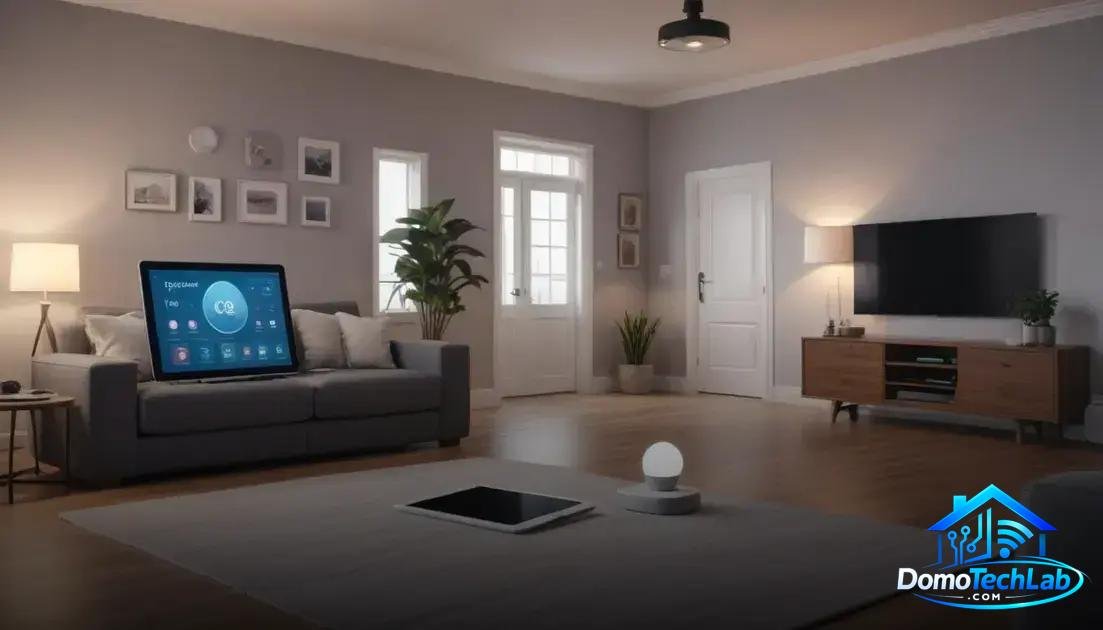
The integration of devices within a smart home ecosystem can be a challenge, but it is essential for achieving complete automation. Utilizing platforms like Home Assistant, Alexa, and Google Home allows for consolidating control of different devices in one place. This not only enhances the user experience but also optimizes functionality.
Home Assistant and Its Flexibility
Home Assistant is a local automation platform that allows you to connect a wide variety of devices and protocols. Its customization capability is impressive; you can create specific automations that respond to your needs. Thanks to its intuitive interface, users can easily monitor and manage their devices.
Alexa and Voice Automation
The Alexa system offers robust voice integration, allowing users to control their devices with just voice commands. You can ask Alexa to turn on the light bulb in your living room or adjust the thermostat temperature. This level of convenience is one of the most attractive points of home automation.
Google Home: Integrated Simplicity
Google Home provides a similar experience by integrating devices through voice commands and its assistant. Its ability to learn user behavior and suggest automatic actions is ideal for those looking for a practical solution. This integration facilitates a smooth and automated daily routine.
Real-World Performance
The performance of devices in the real world is a crucial aspect when evaluating a smart home system. Practice can differ significantly from theory, and it is essential to analyze aspects such as latency, privacy, and local stability to ensure your home operates efficiently.
Latency in Automation
Latency refers to the time it takes devices to receive and execute commands. In our tests, we found that as a device is farther from the central hub, latency increases. For example, a light bulb connected via Zigbee displayed faster response times compared to solutions that rely on internet communication.
The Importance of Privacy
Privacy is a fundamental issue when using smart technology. Devices that require data transmission to external servers may pose potential risks. To mitigate this, it is recommended to opt for systems that allow local automation. This means data is processed within your home network, reducing the outflow of sensitive information.
Stability and Reliability
The stability of a smart home system is essential to ensure its continuous operation. Devices that operate with Thread offer a mesh network that enhances reliability; even if one device fails, the others can continue functioning properly, maintaining system integrity.
Tips for a Minimalist Home
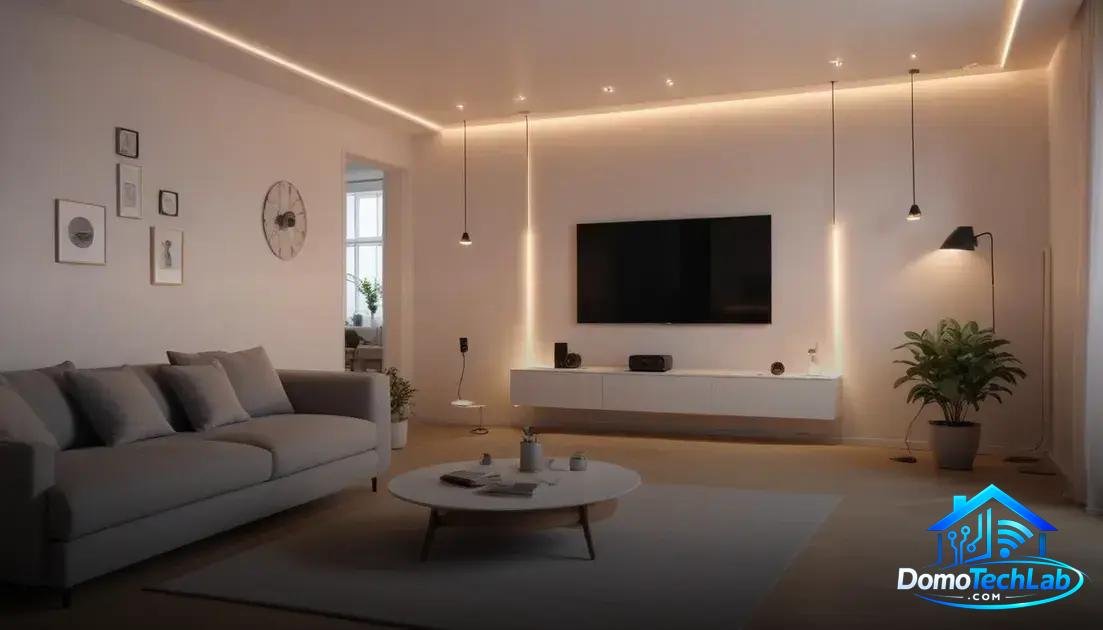
Transforming your home into a minimalist space while using smart technology is possible with a planned approach. The key is to prioritize functionality and a clean design, which means choosing devices that integrate and complement the environment rather than cluttering it.
Select Multi-Functional Devices
Choosing devices like smart plugs that allow control of multiple appliances is crucial. For instance, a single smart switch can control several light bulbs at once, eliminating the need for multiple controllers. This not only saves space but also simplifies the management of your home.
Incorporate Concealment Solutions
To maintain a clean design, consider hiding cables and devices. Using low-profile gateways or hubs that can be installed discreetly contributes to minimalist aesthetics. You can also use cable boxes to disguise connections, creating a neater environment.
Efficient and Elegant Automation
Implementing local automation will allow you to manage your devices without relying on a constant internet connection. By scheduling your devices to operate automatically at specific times, you reduce the need for visible devices, promoting a more uncluttered environment. This demonstrates that technology can coexist with minimalism.
Conclusion: Embrace Local Automation for an Efficient Smart Home
The transition to a smart home can be an enriching process. The key is to prioritize local automation, as this not only optimizes the performance of your devices but also ensures your home’s privacy and security.
At DomoTechLab, we encourage you to continue exploring our recommendations and technical analyses. With the right knowledge, you can set up an environment that is not only functional but also reflects your lifestyle and needs.
Frequently Asked Questions about Hiding Technology
Which devices are compatible with local automation?
Most devices using protocols like Zigbee, Thread, and Matter are compatible with local automation. Be sure to check the specifications of each device before purchasing.
How can I ensure my devices work well together?
It is essential to choose devices that are compatible with the same ecosystem. Using hubs like Home Assistant can help integrate different brands and protocols.
What challenges might I face when hiding technology in my home?
Challenges may include managing device signals, accessing configuration ports, and ensuring automations work smoothly in an environment with less visibility of equipment.
Is it possible to hide the cables without losing functionality?
Yes, by using cable boxes and organizers, you can hide cables while maintaining access to necessary ports. Ensure that devices retain their connectivity and functionality.
How does the location of devices affect their performance?
Location is critical. Placing devices far from the hub may increase latency and decrease stability. Try to keep them within an optimal range to ensure better performance.
Can I integrate devices from different brands?
Yes, as long as they are compatible with the same protocols. Using platforms like Home Assistant makes this integration easier and enables devices from different manufacturers to communicate with each other.