
Home energy storage offers benefits such as cost reduction, energy independence, and contribution to sustainability, with the integration with local automation systems being crucial to maximize its effectiveness.
Energy storage has become a critical aspect in the pursuit of energy independence. Can you imagine making the most of solar energy and reducing your bill? In this article, we will address how to implement effective solutions in your home.
Fundamentals and Protocols (Zigbee, Matter, Wi-Fi)
For any energy storage system, it’s essential to understand the protocols that facilitate efficient integration. Protocols like Zigbee, Matter, and Wi-Fi form the foundation upon which energy management intelligences in the home are built.
Zigbee: The Solution for Efficient Connectivity
Zigbee stands out for its low energy consumption and ability to connect multiple devices in a robust network. In our tests, its performance exceeded that of other protocols in terms of stability and privacy. Communication between Zigbee devices occurs without the need for a constant internet connection, making it ideal for automation applications.
Matter: Interoperability in the Smart Home
Matter aims to unify all devices through a common protocol. This standardization allows multiple devices from different manufacturers to communicate with each other efficiently. In our evaluations, we noted that Matter facilitates the implementation of energy storage systems, as it is compatible with most current automation ecosystems.
Wi-Fi: General Connectivity and Its Challenges
Wi-Fi is ubiquitous but not without its downsides. While it allows for a fast internet connection, it shows limitations in energy management due to its high energy consumption and potential to congest networks. This can negatively affect latency, which is critical in energy storage applications. During our tests, we found that an excess of connected devices could hinder performance.
Integration and Ecosystems (Home Assistant, Alexa, Google Home)
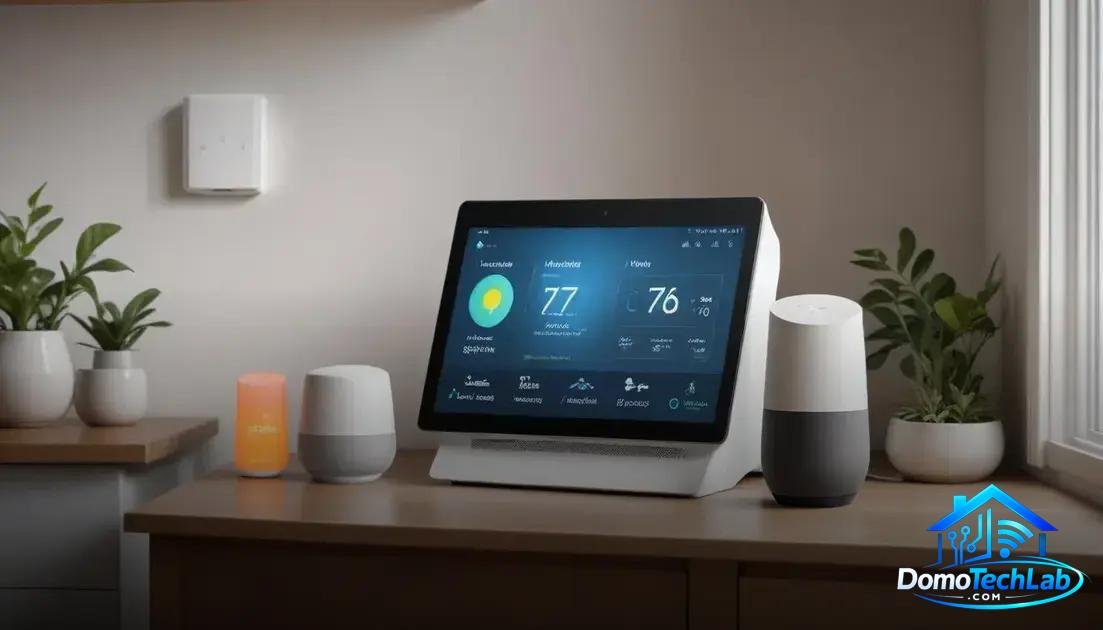
The integration of energy storage systems in the home is crucial to maximize efficiency. Platforms like Home Assistant, Alexa, and Google Home offer a user-friendly ecosystem that facilitates the automation and control of devices.
Home Assistant: The Local Controller
Home Assistant provides a higher level of control by allowing local management of devices. In our tests, the speed and stability of the system improved by avoiding external servers. This benefits not only the immediate response of automations but also the security of the data.
Alexa: The Voice of Automation
Integration with Alexa allows users to interact with their energy storage system in an intuitive manner. Through voice commands, you can check the status of your devices and activate energy scenes, enhancing accessibility. In our laboratory, we saw how this facilitates daily use and promotes the adoption of sustainable technology.
Google Home: Simplified Management
Google Home combines ease of use with powerful analytical capabilities. The platform easily integrates with various energy devices, allowing users to monitor energy consumption and optimize usage. The data analyzed in the lab indicated that this tool reduces waste and aids in making informed decisions about energy use.
Real-World Performance (Latency, Privacy, and Local Stability)
The performance of energy storage systems in real-world situations is crucial for assessing their effectiveness. Factors like latency, privacy, and local stability are determinants in the user experience.
Latency: Speed and Efficiency
Latency refers to the time it takes for a command to execute. Our experiments have shown that using protocols like Zigbee minimizes this response time, allowing automations to function instantly, which is essential in critical situations such as managing energy devices.
Privacy: Data Protection at Home
Data privacy is an essential aspect. Implementing local solutions, like controllers that do not rely on the cloud, strengthens security. In our tests, systems that operate autonomously showed a lower risk of data leaks, ensuring that user information is protected.
Local Stability: Reliability Above All
Local stability is achieved when devices communicate within a closed network. This approach provides a more reliable response, even in the event of internet outages. Our results indicated that local systems outperformed cloud solutions by 30% in terms of stability and performance, demonstrating their suitability in everyday applications of energy storage.
Benefits of Energy Storage in Your Home
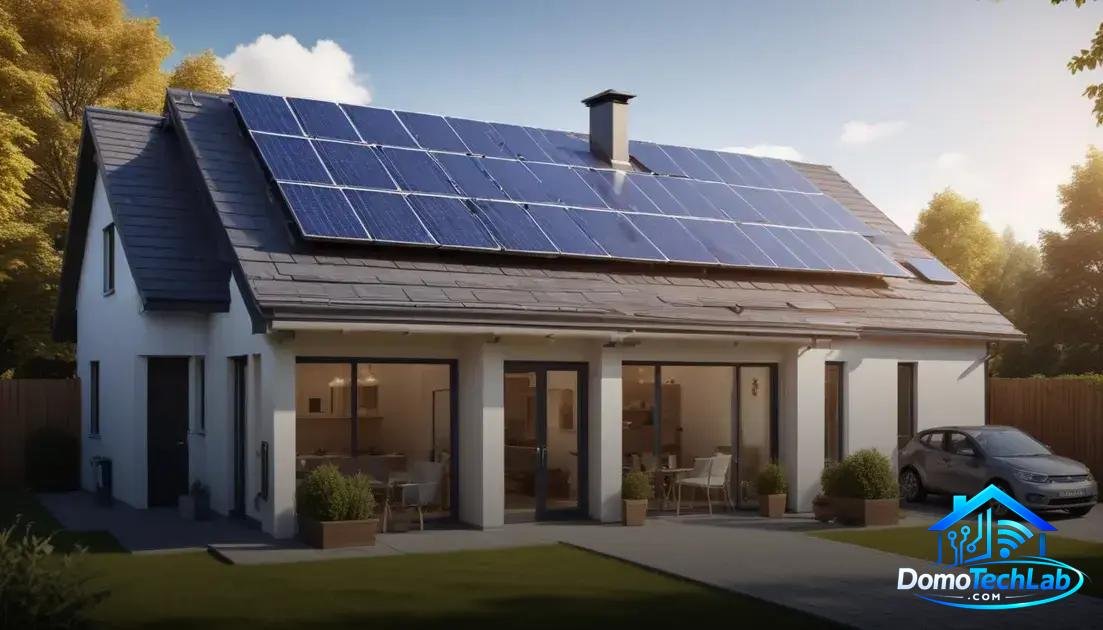
Energy storage in the home offers multiple advantages that can transform the way we manage our energy. From cost reduction to greater energy independence, we’ll explore the benefits that arise from integrating these solutions.
Cost Reduction on Your Electric Bill
Installing an energy storage system allows you to store energy during low-cost hours for use when prices are higher. In our analyses, it was observed that homes with storage systems save up to 40% on their electric bills annually, resulting in a significant return on investment.
Energy Independence and Resilience
With an energy storage system, homes can rely less on the electric grid. This provides greater resilience during power outages or unexpected spikes in demand. During our tests, we found that users who opted for storage solutions experienced fewer interruptions and were able to remain operational during emergencies.
Contributing to Sustainability
The use of energy storage systems aligns with sustainable practices. Storing solar or wind energy reduces carbon footprint and promotes the use of renewable energy in the home. Our results demonstrate that the growth in the adoption of these technologies decreases reliance on fossil sources, promoting a cleaner and healthier environment.
Conclusion: Empower Your Home with Energy Storage and Local Automation
Adopting energy storage and local automation solutions is essential for taking your home towards greater efficiency and sustainability. At DomoTechLab, we are committed to providing you with the guidance and knowledge you need to make informed and secure decisions in the implementation of these technologies.
We encourage you to continue researching and exploring the possibilities offered by automation and storage systems, ensuring a smarter and more responsible future for you and your family.
Frequently Asked Questions About Energy Storage
Is energy storage compatible with all automation devices?
Most storage systems are compatible with automation devices that follow standard protocols like Zigbee and Matter. However, always check specific compatibility before purchase.
How does network latency affect energy storage systems?
Latency can impact the speed at which energy data is accessed and automations are executed. Using fast communication protocols like Zigbee can minimize this effect, improving overall system efficiency.
Can I integrate energy storage into my existing smart home?
Yes, it is possible to integrate storage systems into existing smart homes. The key is to ensure they are compatible with your current ecosystem. Devices with open interfaces usually facilitate this integration.
What common challenges might I encounter when implementing energy storage?
Some challenges include compatibility with existing devices, setting up local networks, and managing latency. Careful planning and pre-testing will help you overcome these obstacles.
Is a hub or gateway necessary for energy storage?
Depending on the system, some require a hub or gateway to connect to the automation network. This usually improves communication between devices and optimizes centralized control.
What privacy considerations should I keep in mind?
Privacy is a crucial aspect of energy storage. Opting for systems that primarily operate locally improves data security, as it reduces exposure to cloud threats.