
mmWave sensors offer high sensitivity and privacy in motion detection, overcoming the limitations of conventional sensors by enabling efficient local automation in smart home environments.
The mmWave sensors are transforming home automation, providing precise detection that surpasses the limitations of traditional sensors. Can you imagine a home where devices respond instantly to your presence? In this article, we will explore how these sensors work and why they should be part of your smart home setup.
Fundamentals and Protocols (Zigbee, Matter, Wi-Fi)
The protocols in a smart home environment are vital to ensure efficient communication between devices. In our experience, technologies like Zigbee, Matter, and Wi-Fi play fundamental roles in the interoperability and connectivity of devices.
Zigbee: the low-power solution
Zigbee is known for its low power consumption and capability to connect multiple devices in a mesh network. This makes it ideal for devices like motion sensors and smart bulbs that require long battery life.
Matter: the new era of interoperability
Introduced to resolve fragmentation in the automation ecosystem, Matter allows devices from different manufacturers to communicate seamlessly. This simplifies the user experience, making it easier to integrate varied devices into a single network.
Wi-Fi: the most familiar connection
Wi-Fi is the most common option in homes, offering high speed and bandwidth. However, excessive use can lead to congestion, affecting the efficiency of devices that require quick responses.
Integration and Ecosystems (Home Assistant, Alexa, Google Home)
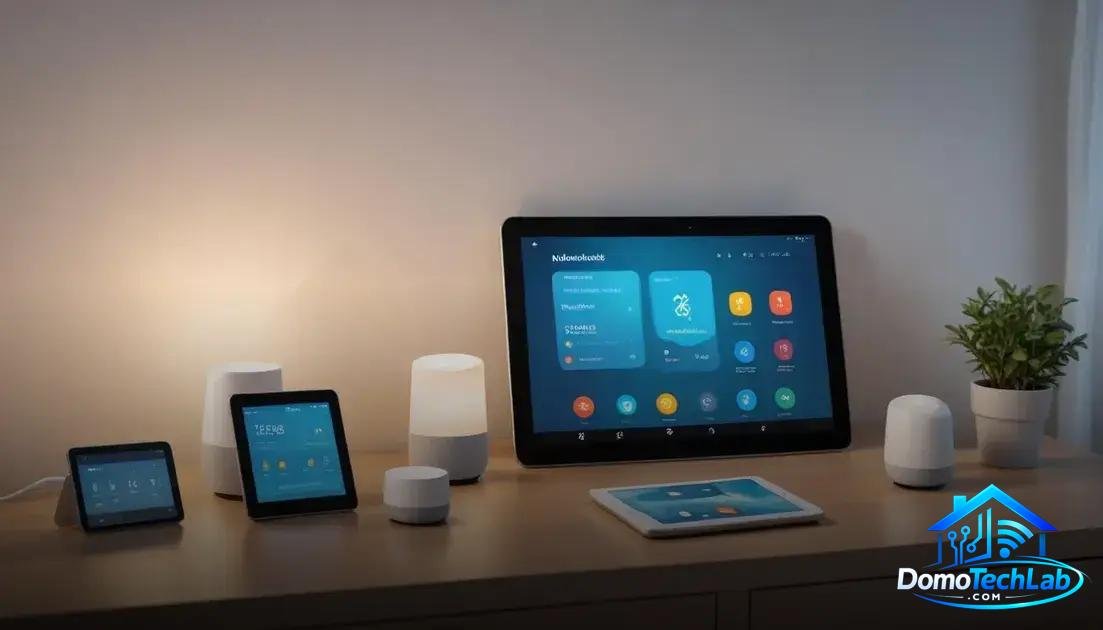
The integration of devices in a smart home is crucial for a seamless and efficient experience. Platforms like Home Assistant, Alexa, and Google Home allow you to control and manage devices from different brands from one place.
Home Assistant: total control at your fingertips
Home Assistant is an open-source platform that gives you the flexibility to customize your system according to your needs. In our analyses, we have observed that it offers great integration with various protocols, allowing devices from different brands to work together seamlessly.
Alexa: virtual assistant in action
Alexa not only acts as a voice assistant but also becomes a central hub for automations. With simple commands, you can control lights, thermostats, and more, facilitating interaction with your home. The ability to connect compatible devices enhances the functionality of your home environment.
Google Home: the cloud-based option
Google Home offers a very intuitive experience through its integration with the Google ecosystem. By linking your devices, you can manage automation with simple voice commands, making technology accessible to everyone. Its cloud-based approach may affect latency, but it improves update capability.
Real-World Performance (Latency, Privacy, and Local Stability)
The real-world performance of a smart home system is crucial for its effectiveness and user satisfaction. Factors such as latency, privacy, and local stability are determinants for the daily operation of devices.
Latency: response speed
Latency is a fundamental aspect of user experience. In our tests, we have identified that using Zigbee significantly reduces latency compared to solutions that rely solely on Wi-Fi. This means actions, such as turning lights on or off, are performed almost in real-time.
Privacy: protecting your data
The privacy of users is a growing concern in the realm of home automation. Choosing solutions that operate locally minimizes data transfer to external servers, reducing the risk of vulnerabilities. This is especially important for devices like security cameras and motion sensors.
Local stability: the key to a reliable home
The local stability of a home network is essential for the continuous operation of devices. Devices that use Zigbee or are managed through a local hub are less vulnerable to Internet outages, providing constant control in critical situations. This ensures that your smart home continues to function when you need it most.
Advantages of mmWave Sensors Over Conventional Ones
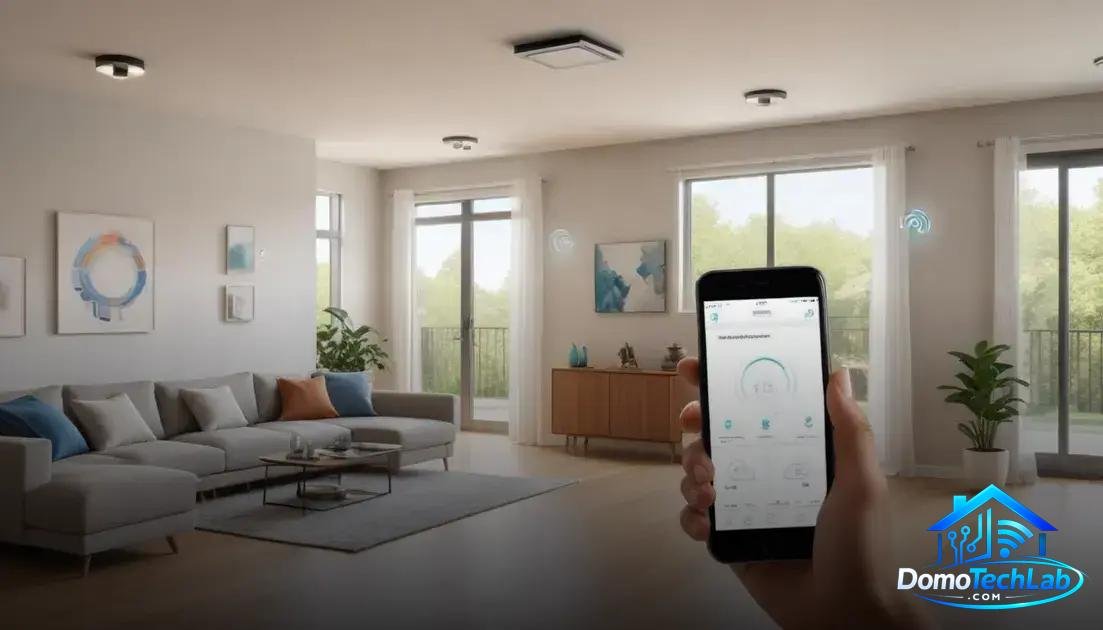
mmWave sensors are revolutionizing detection in the field of smart homes due to their multiple advantages over conventional sensors. These devices utilize microwave radar technology to provide more precise and reliable detection.
High sensitivity and accuracy
One of the main advantages of mmWave sensors is their high sensitivity. These sensors can detect movements and changes in the environment, even through materials like walls and furniture. In our tests, this translated into a better reaction to intrusions or temperature changes.
Effective static detection
Conventional sensors often struggle to differentiate between minor movements and the static environment. However, mmWave sensors can filter these differences, allowing for more effective detection of specific situations. This is especially useful in security and comfort automation applications.
Enhanced privacy
The implementation of mmWave sensors also improves privacy since they do not require cameras to operate. They work by measuring radio waves, which means they do not capture images or video, thus protecting users’ privacy while providing efficient monitoring.
Conclusion: Empower Your Home with mmWave Sensors and Local Automation
Diving into home automation is an exciting opportunity to enhance quality of life. At DomoTechLab, we understand that the key to an effective smart home lies in integrating technologies like mmWave sensors and prioritizing local automation. This combination not only improves the performance of your devices but also ensures greater privacy and adapts to your needs.
We encourage you to explore more about how these advancements can transform your home, empowering you to make informed and optimal decisions on the path to full automation.
Frequently Asked Questions About mmWave Sensors
Are mmWave sensors compatible with all home automation systems?
Most mmWave sensors are compatible with several protocols like Zigbee and Z-Wave, but it’s always advisable to check specific compatibility with the system you wish to use.
Can I use mmWave sensors outdoors?
Yes, many mmWave sensors are designed for outdoor use, but it is crucial to ensure that they are weather-resistant and meet the necessary specifications for the environment.
How do mmWave sensors affect privacy in the home?
mmWave sensors do not record video or images, which enhances privacy compared to cameras. They only detect movements and changes in the environment, ensuring effective monitoring without compromising privacy.
What is the typical latency of mmWave sensors compared to conventional sensors?
mmWave sensors generally offer lower latency, allowing for almost instantaneous reactions, while conventional sensors may experience delays due to their less efficient detection methods.
Is it easy to integrate mmWave sensors into an existing smart home network?
Yes, integration is usually straightforward, especially if you have a compatible hub or gateway. These solutions allow for quick and accessible setup, facilitating the addition of new devices to your network.
Do mmWave sensors require regular maintenance?
mmWave sensors are generally low maintenance, but periodic checks are recommended to ensure they are functioning correctly, especially if used in harsh environments.