The integration of a local automation system in your smart home, using protocols like Zigbee and Thread, enhances privacy, reduces latency, and optimizes the efficiency of connected devices for productive remote work.
Smart Home and Remote Work can transform your workday. Have you thought about how a connected home optimizes your productivity? Here’s how to achieve it.
Foundations and Protocols
Understanding the foundations and protocols of a smart home is essential to ensure efficient integration of devices. Protocols such as Zigbee, Thread, and Wi-Fi play specific roles in device communication, providing various levels of efficiency and functionality.
Communication Protocols
Zigbee is known for its low power consumption and ability to connect multiple devices in a network. This allows smart plugs, bulbs, and sensors to work together seamlessly. In contrast, Wi-Fi offers faster connections but consumes more power.
The Interoperability of Matter
Thread, on the other hand, stands out for its focus on local automation and is a key component for interoperability under the Matter standard. This means that devices from different brands can communicate, facilitating the creation of a unified digital home.
Integration and Ecosystems
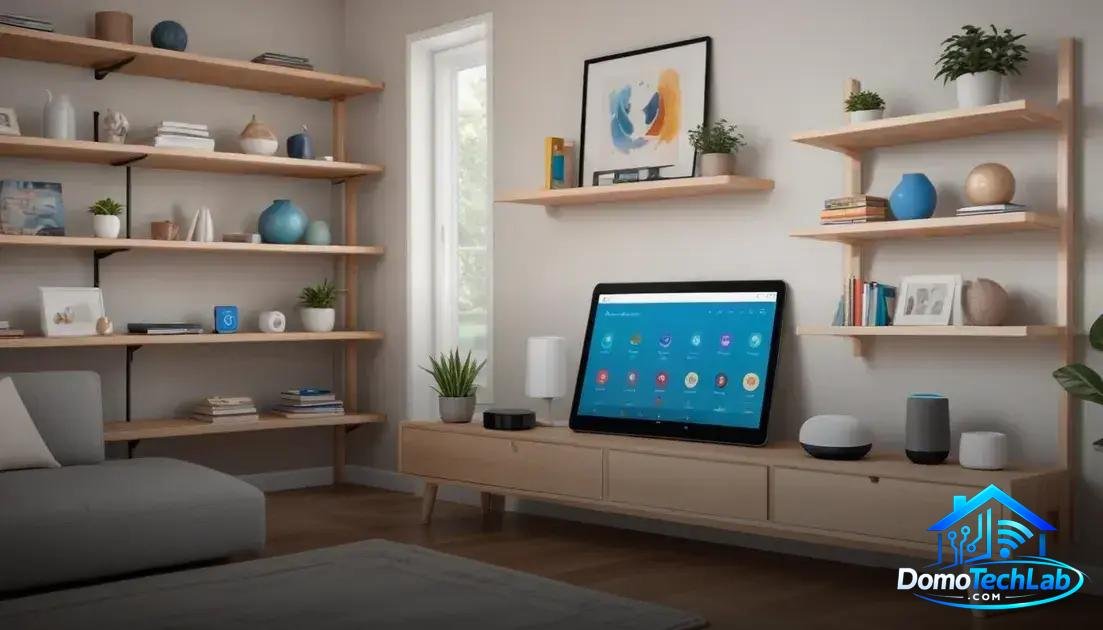
Integration and ecosystems are fundamental for a smart home to operate efficiently. The choice of platforms like Home Assistant, Alexa, and Google Home affects the compatibility and ease of use of connected devices.
Home Assistant: Total Control in Your Hands
Home Assistant provides centralized control over all your home devices. Its availability as open-source software offers flexibility for customizing automation, adapting to the specific needs of the user.
Alexa and Google Home: Practical Assistants
On the other hand, using voice assistants like Alexa and Google Home allows you to integrate devices from different manufacturers. This capability enables voice control and simplifies daily routines, although it’s essential to ensure that the devices are compatible.
Real-World Performance
The real-world performance of a smart home depends on several factors, including latency, privacy, and connection stability. Many users wonder if the technology will meet their daily expectations.
Latency: The Key to Quick Response
During our tests, latency became a critical factor. Devices connected to Zigbee networks showed a faster response compared to those relying on Wi-Fi. This means a smart switch can turn a light on or off almost immediately, improving user experience.
Privacy: Data Protection in the Home
Privacy is another concern. Using a local hub reduces the risk of data exposure to external servers. This way, users can feel more secure knowing that their habits and data are not being indiscriminately collected.
Stability: Keeping the Connection
Connection stability is vital. Devices operating over Thread demonstrate reliable performance, even in scenarios where Wi-Fi may fail, ensuring that local automation continues to operate without interruptions.
Automation to Boost Concentration
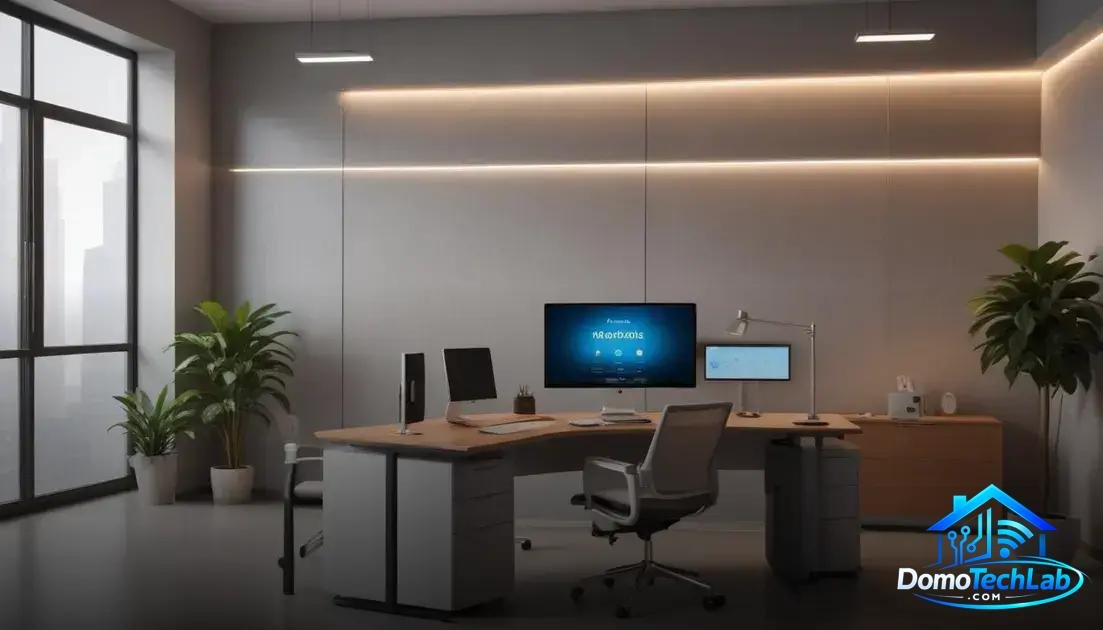
Automation to boost concentration is a key benefit of a smart home. By creating a conducive work environment, connected devices can help maintain productivity.
Lighting Control
Lighting plays a fundamental role in concentration. By using smart bulbs, you can adjust brightness and color temperature according to the task. For example, cooler light can stimulate alertness during work hours, while warmer light may be ideal for relaxation.
Temperature Adjustment
Additionally, automatic heating and cooling systems can be programmed to maintain an optimal temperature. Temperature sensors help ensure that the environment is always comfortable, allowing the mind to focus on tasks.
Break Reminders
Smart plugs can be configured to remind you to take regular breaks via lights or gentle sounds. These reminders are crucial for avoiding mental fatigue, allowing for restorative breaks that enhance long-term productivity.
Conclusion: Optimize Your Smart Home with Local Automation
Local automation is the heart of an efficient smart home. By implementing protocols like Zigbee and Thread, you can achieve not only effective control but also greater privacy and stability in your devices. At DomoTechLab, we are committed to providing you with the experience and knowledge needed to make informed decisions on your journey toward automation that truly works for you.
Feel free to continue exploring our recommendations and technical resources to enhance your home and your quality of life.
Frequently Asked Questions about Smart Home and Remote Work
Can devices from different brands work together?
Yes, as long as they are compatible with common standards such as Matter or protocols like Zigbee. This allows for the integration of different devices into a single ecosystem.
What should I consider when choosing a hub for my smart home?
It’s crucial to select a hub that is compatible with multiple protocols (such as Zigbee and Thread) and that offers support for the devices you plan to use. Ease of use and integration capability are also important factors.
How does latency affect my smart devices?
Latency can influence how quickly your devices respond when receiving commands. Setting up devices on a local network and using protocols such as Zigbee can reduce latency, providing a smoother experience.
Is it possible to maintain privacy of my data in a smart home?
Yes, you can protect your privacy by using local hubs that do not send information to external servers. Limiting the use of cloud services for device control also helps maintain the security of your data.
What challenges might I face when setting up an automation system?
Some common challenges include device compatibility, network latency, and automation configuration. Be sure to research and test different setups to find the one that works best in your environment.
How can I optimize the use of smart devices while working remotely?
Adjust lighting and temperature using smart devices to create an environment that favors concentration. Setting automatic reminders for breaks can also improve your productivity.