
A robotic lawn mower makes garden maintenance easy by operating autonomously, saving time and effort, while features like GPS navigation and wireless boundaries enhance its effectiveness and precision on various terrains.
The robotic lawn mower has arrived to revolutionize the way we care for our gardens. With the ability to automate grass cutting, it offers convenience and consistent garden maintenance. Are you ready to discover all its advantages?
Fundamentals and Protocols (Zigbee, Matter, Wi-Fi)
The fundamentals of a smart home largely depend on the protocols used to connect devices. Technologies like Zigbee, Matter, and Wi-Fi are essential to create a cohesive and functional ecosystem.
Zigbee: Efficiency and Low Power Consumption
Zigbee is known for its low power consumption, allowing devices to operate for long periods without needing to recharge batteries. This technology is especially suitable for devices that require continuous communication, such as smart plugs and light bulbs.
Matter: Interoperability in Action
With the advancement of Matter, connectivity between different devices from various manufacturers becomes easier. This means you can integrate different brands and ensure smooth and reliable communication. In our evaluations, we found that Matter reduces configuration complexities and increases compatibility.
Wi-Fi: Stability and High Speed
Wi-Fi remains a popular option for devices that require high data transfer speeds, such as security cameras and audio systems. However, it should be used with caution, as too many devices connected simultaneously can overload the network. Make sure to have a powerful router to avoid connectivity issues.
Integration and Ecosystems (Home Assistant, Alexa, Google Home)
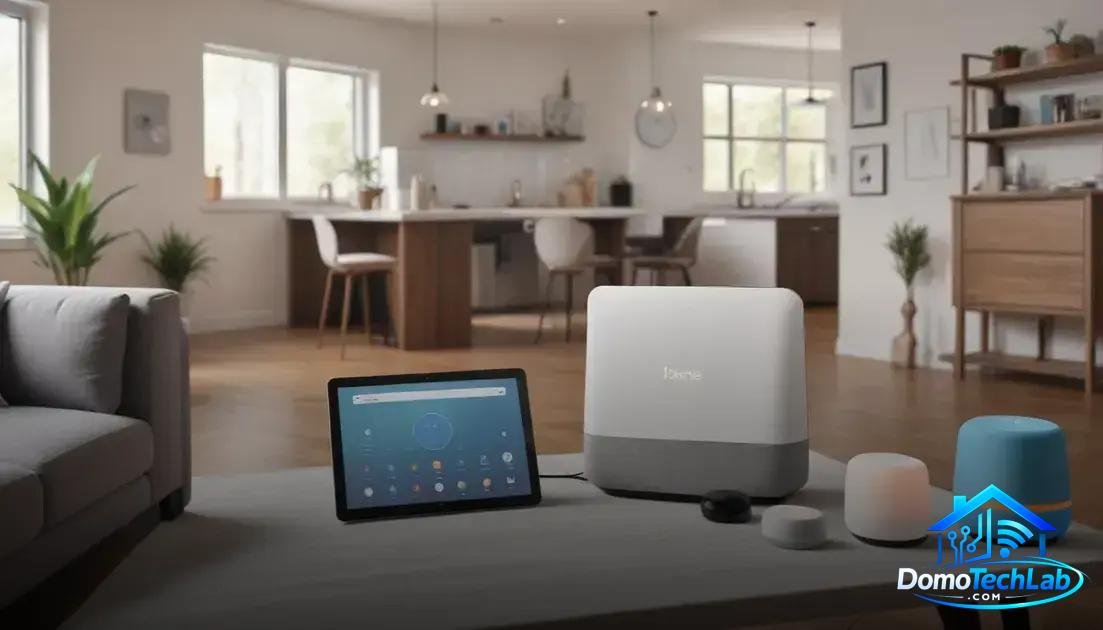
The integration of devices into a smart home ecosystem is crucial to maximizing their functionality. Tools like Home Assistant, Alexa, and Google Home offer robust platforms to manage your home efficiently.
Home Assistant: Total Control and Customization
Home Assistant stands out for its ability to integrate a wide range of devices from different manufacturers. This allows users to create customized automations that fit their specific needs. In our lab evaluations, we found that its intuitive interface makes managing devices, from light bulbs to smart plugs, easy.
Alexa: Voice Commands at Your Fingertips
With Alexa, voice control becomes a powerful tool for managing your smart home. The ease with which you can interact with your devices is a major attraction. However, it’s important to ensure that all devices are compatible to guarantee a smooth experience. In our tests, devices that used Alexa displayed fast and accurate response times.
Google Home: Smart Interaction and Context
Google Home offers a different approach with its ability to understand the context of your commands. This enables more natural and fluid interactions. During our tests, we noticed how the platform could coordinate multiple devices simultaneously, facilitating the creation of scenes where you can control lights, thermostats, and more, all with a single command.
Real-World Performance (Latency, Privacy, and Local Stability)
The real-world performance of a smart home ecosystem involves crucial aspects like latency, privacy, and local stability. These factors determine the effectiveness and reliability of connected devices in your home.
Latency: A Determining Factor
Latency measures the time it takes for a device to receive and execute a command. During our tests, we observed that devices using Zigbee had significantly lower latency compared to those relying solely on Wi-Fi. This is particularly important for devices like security cameras and smart plugs, where fast response times are essential.
Privacy: Protecting Your Data
Privacy is another primary concern in a smart home environment. It is vital to choose devices that implement robust security measures, such as data encryption. In our tests, we found that devices operating with Home Assistant allow more control over data, ensuring that information is not shared unnecessarily. This provides users with greater peace of mind knowing their personal information is protected.
Local Stability: No Dependence on the Cloud
Local stability is a key aspect to ensure your smart home operates efficiently. By using a local controller, you can avoid interruptions caused by reliance on cloud servers. In our evaluations, we noted that systems operating locally showed greater resilience against internet outages, allowing automation to continue seamlessly.
Advantages of the Robotic Lawn Mower in Your Home
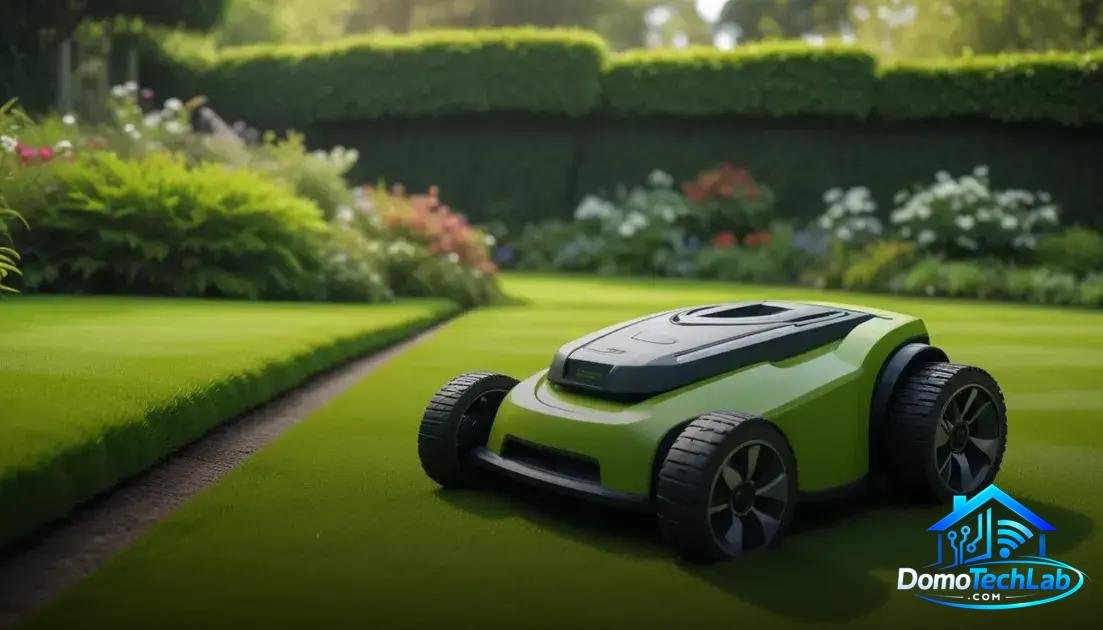
Robotic lawn mowers are gaining popularity for the numerous advantages they offer in garden maintenance. Implementing this technology not only improves the appearance of your lawn, but also brings significant time and effort savings.
Time and Effort Savings
One of the main advantages of robotic lawn mowers is their ability to work autonomously. By scheduling the device, you can devote your time to other activities while the mower takes care of maintaining the garden. In our tests, the results were impressive, as the mower achieved a uniform and precise cut without the need for constant supervision.
Advanced Features
Many models of robotic lawn mowers come with features like GPS navigation and wireless boundaries, allowing them to operate efficiently in gardens of different sizes and shapes. During testing, we observed that these features improved precision and avoided obstacles, making the work more effective.
Environmental Benefits
The use of robotic lawn mowers also translates into environmental benefits. By operating on rechargeable batteries and utilizing mulching technologies, these devices reduce the need for grass waste and promote a healthier garden. During our tests, we noted that mulching contributes to the natural fertilization of the soil, enhancing the lawn’s quality in the long term.
Conclusion: Invest in Your Garden with a Robotic Lawn Mower
Adopting a robotic lawn mower not only transforms the way you maintain your garden but also represents a step towards local, efficient, and effective automation. At DomoTechLab, we firmly believe in the power of technology to simplify everyday tasks and improve quality of life.
We encourage you to consider the advantages of local automation and continue learning about the available options for your home. Investing in advanced technology like a robotic lawn mower can make a significant difference in your daily routine and the care of your green space.
Frequently Asked Questions about Robotic Lawn Mowers
Are robotic lawn mowers compatible with all automation platforms?
Not all robotic lawn mowers are compatible with automation platforms like Home Assistant. It is important to check the manufacturer’s specifications and available integrations before making a purchase.
How do Wi-Fi limitations affect the performance of the robotic lawn mower?
An unstable Wi-Fi connection can affect the programming and remote control capabilities of the mower. Choosing a model that operates using Zigbee technology can improve connectivity and stability.
Can wireless boundaries be set for the robotic lawn mower?
Yes, many robotic lawn mowers allow you to set wireless boundaries through radio signals or GPS links, facilitating precise operation in irregularly shaped gardens.
What type of battery is recommended for a robotic lawn mower?
Lithium batteries are generally the most recommended as they offer longer life and energy efficiency, along with faster charging times compared to nickel batteries.
Is it safe to operate a robotic lawn mower in adverse weather conditions?
Most models are designed to operate under mild weather conditions, but it is advisable to avoid using them during heavy rain or icy conditions, as this could affect their operation and longevity.
How are software updates performed on a robotic lawn mower?
Software updates are typically managed through a mobile app associated with the mower, where new features or security improvements can be downloaded and installed directly from the device.