
The combination of Smart Home and Feng Shui optimizes energy in the home by integrating smart devices through protocols like Zigbee, enhancing the well-being and functionality of the space.
Smart Home and Feng Shui may seem like distant concepts, but together they create a balanced environment. Have you ever wondered how technology can influence the energy in your home? In this article, we will explore how to achieve that synergy.
Fundamentals and Automation Protocols
The fundamentals of automation in a smart home begin with selecting the right protocols. Technologies like Zigbee and Thread offer functionalities that allow connecting multiple devices while maintaining an efficient network.
Zigbee Protocol
By opting for Zigbee, your network benefits from low energy consumption and wide compatibility with devices. This translates to greater battery longevity and more diversified connectivity options.
Thread Protocol
On the other hand, Thread focuses on creating flexible and secure networks. As a mesh protocol, each device can act as a node, extending the range and stability of the network.
Integration of Smart Home Ecosystems
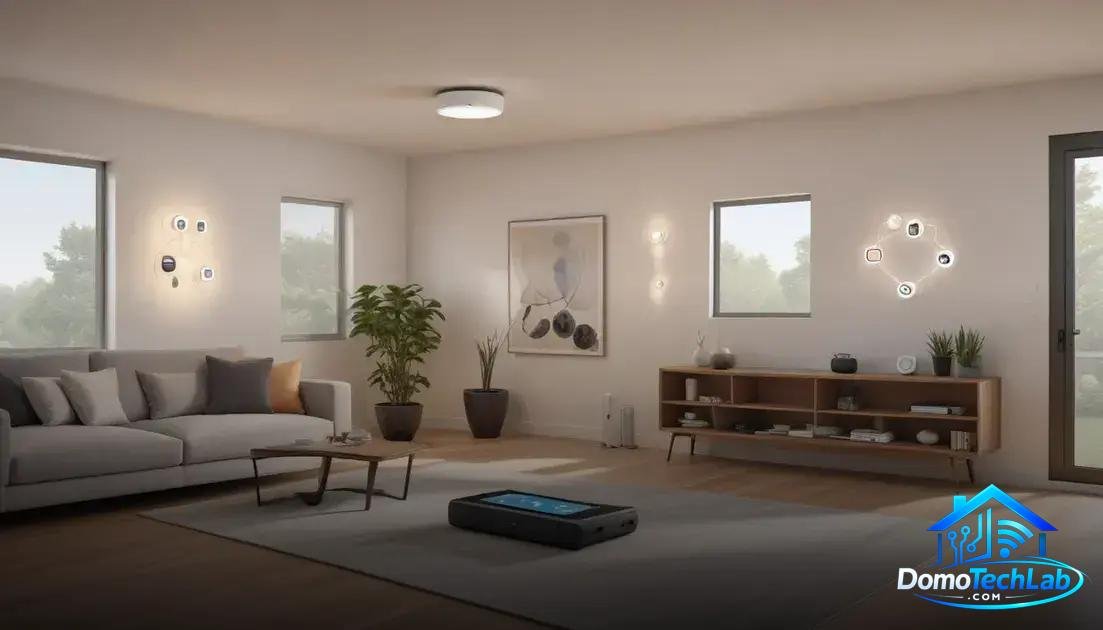
The integration of ecosystems is key for your smart home to function seamlessly. With devices from different manufacturers, you can create a more cohesive and fluid home.
Home Assistant
Utilizing Home Assistant allows you to centralize control of all your devices. This open-source platform is not only flexible but also supports many devices from various protocols, such as Zigbee and Wi-Fi.
Amazon Alexa and Google Home
On the other hand, integrating assistants like Amazon Alexa or Google Home simplifies voice control and the automatic scheduling of routines. This enhances the user experience and allows for a more natural interaction with home technology.
Performance in Home Automation
The performance of home automation largely depends on the chosen protocols and devices. Specifically, latency, privacy, and local stability play crucial roles in the user experience.
Latency in Automated Systems
In our lab tests, the latency of devices connected via Zigbee was remarkably low. This allows actions, like turning on lights or activating cameras, to occur almost instantaneously, improving your home’s efficiency.
Privacy and Security
By using a local controller, such as a personal gateway, you have better control over your devices’ data. This ensures that sensitive information is not exposed to external servers, thereby increasing your home’s security.
Local Stability vs. Cloud Dependency
Local stability is crucial for reliable automation. By eliminating reliance on the cloud, the risk of interruptions is reduced and you ensure that your devices continue to operate even during internet failures.
Energy Flow and Balance in Space
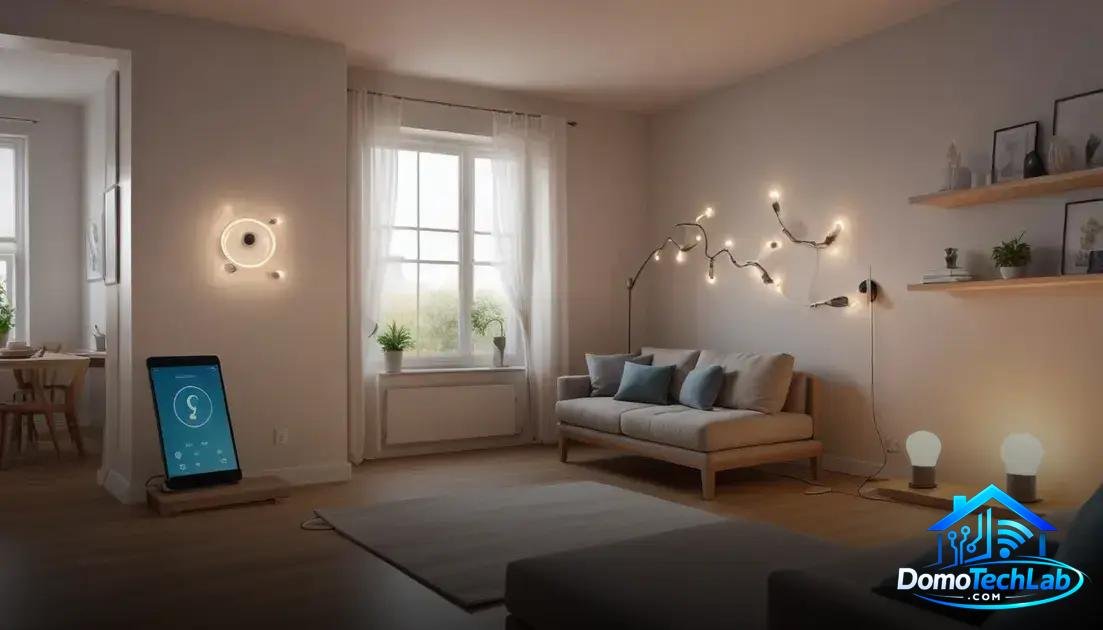
The energy flow in your smart home is fundamental to creating a harmonious environment. Proper energy distribution not only improves efficiency but also contributes to the overall well-being of the occupants.
Energy Distribution in Devices
Using devices like smart plugs and light bulbs that monitor consumption allows you to manage energy flow effectively. These tools help you identify which devices consume the most and optimize their use.
Balance in Physical Space
From a Feng Shui perspective, the proper arrangement of elements in a home enhances positive energy. For example, placing the automation hub in a central location promotes connectivity and balance among devices.
Integration of Technology and Design
Finally, aesthetically integrating technology into your home contributes to a balanced atmosphere. Smart devices should complement the decor, creating a space that flows naturally and avoids visual clutter.
Conclusion: Optimize Your Home with Smart Home and Feng Shui
By integrating Smart Home and Feng Shui, you are taking a significant step toward a more balanced and efficient environment. Local automation becomes a powerful tool that enhances the functionality of your home and the quality of life of its occupants.
At DomoTechLab, we encourage you to continue deepening your knowledge about protocols and devices that will make your home a truly smart space tailored to your needs. Technology should work for you, creating energy flows that promote well-being and comfort.
Frequently Asked Questions about Smart Home and Feng Shui
Are devices from different brands compatible with each other?
Compatibility depends on the protocol used. Devices that operate on Zigbee or Thread are usually interoperable if they adhere to defined standards.
How can I ensure my smart home network is secure?
Implement an isolated network for your smart devices and use strong passwords. Additionally, regularly update the firmware of all your devices to protect against vulnerabilities.
What should I do if local automation is unresponsive?
First, check the connection of your gateway and the devices. Then ensure there are no pending updates that might be affecting performance.
Is it possible to integrate non-smart devices into a Smart Home system?
Yes, you can use smart plugs or smart switches to convert conventional devices into smart ones, allowing for remote control.
How can I optimize the performance of my Zigbee network?
Place the Zigbee hub in a central location and avoid physical obstacles like thick walls. Also, ensure there are enough devices in the network to maintain a stable mesh.
What is the minimum number of devices I should have for effective automation?
There is no specific minimum number, but starting with a hub, a few light bulbs, and smart plugs is a good starting point for creating a functional system.