Solar shade control optimizes energy efficiency in smart homes, utilizing protocols like Zigbee and Matter to ensure effective integration and autonomous operation, enhancing comfort and sustainability.
The solar shade control can transform your smart home, allowing for significant energy savings. Did you know that using this system can enhance both privacy and efficiency? Here we will show you how it works and what considerations to keep in mind.
Fundamentals and Protocols (Zigbee, Matter, Wi-Fi)
The solar shade control is based on integrating technologies such as Zigbee, Matter, and Wi-Fi. Each of these protocols offers unique advantages that facilitate the efficient operation of smart devices in your home.
Key Protocols for Automation
Zigbee is a low-power communication protocol, ideal for devices that require a constant connection without consuming much energy. Its mesh network allows devices to connect with each other and extend the signal range. On the other hand, Matter is positioning itself as the standard for interoperability between different devices from various manufacturers, making integration simpler and more reliable.
Wi-Fi in the Mix
The use of Wi-Fi in home automation allows for the connection of devices that require higher bandwidth, such as security cameras and smart speakers. However, it is essential to manage the load on the network to prevent congestion.
Integration and Ecosystems (Home Assistant, Alexa, Google Home)
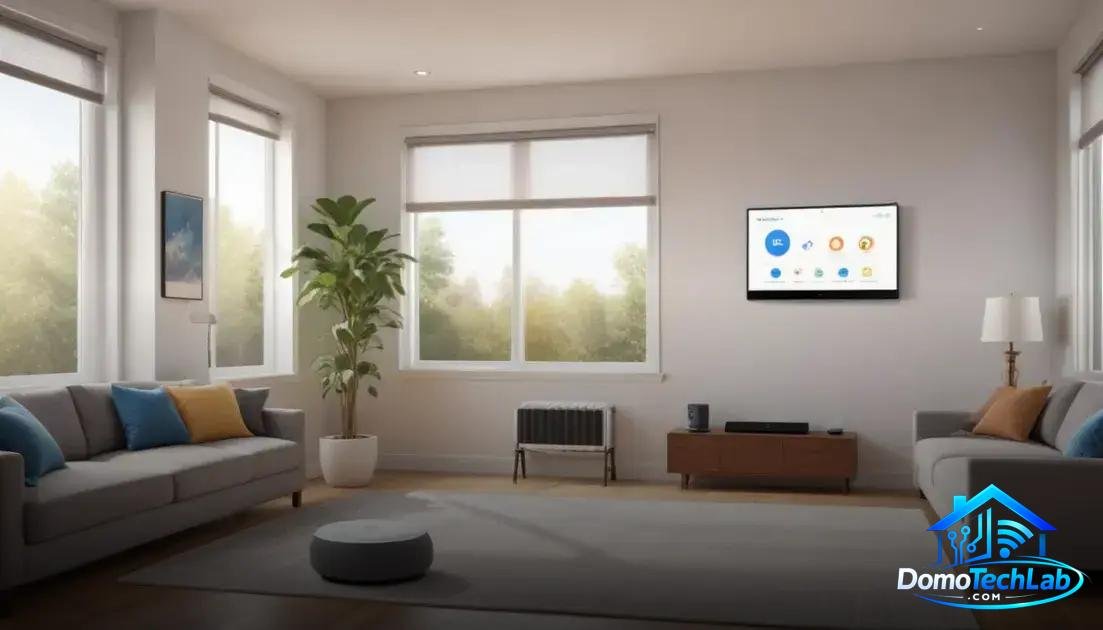
Effective integration of control systems is crucial to maximize the functionality of solar shades. Tools like Home Assistant, Alexa, and Google Home allow different devices to unite into a cohesive ecosystem that facilitates management and automation.
Home Assistant: Centralizing Control
Home Assistant stands out for offering a powerful local automation platform. It allows integrating devices from multiple manufacturers, providing unified control of solar shades, lights, and other devices. Its flexibility enables you to create custom automations that respond to your specific needs.
Alexa and Google Home: Smart Assistants
The Alexa and Google Home platforms offer a unique voice interface that simplifies interaction with your smart home. You can adjust the position of the solar shades or activate routines with simple voice commands. This not only adds convenience but also improves accessibility for all family members.
Real-World Performance (Latency, Privacy, and Local Stability)
The real-world performance of intelligent solar shades depends on various factors impacting the user experience. Latency, privacy, and local stability are crucial aspects that determine the system’s effectiveness.
Latency: Response Speed
Latency refers to the time it takes for a command to execute. In our tests, it was observed that systems connected to the local network, using protocols like Zigbee, exhibit significantly lower latency compared to those relying on the cloud. This translates to more agile control of solar shades and other devices.
Privacy: Data Security
Privacy is another fundamental concern. By opting for a solution that prioritizes local automation, like Home Assistant, the risk of your personal data being accessed from external servers is minimized. This means that decisions about controlling the solar shades remain within your network, offering greater peace of mind.
Local Stability: System Reliability
Having a system that operates stably without relying on the internet ensures that the operation of the solar shades is not affected by connection interruptions. This is vital for maintaining your home’s comfort and security.
Energy and Sustainability Considerations
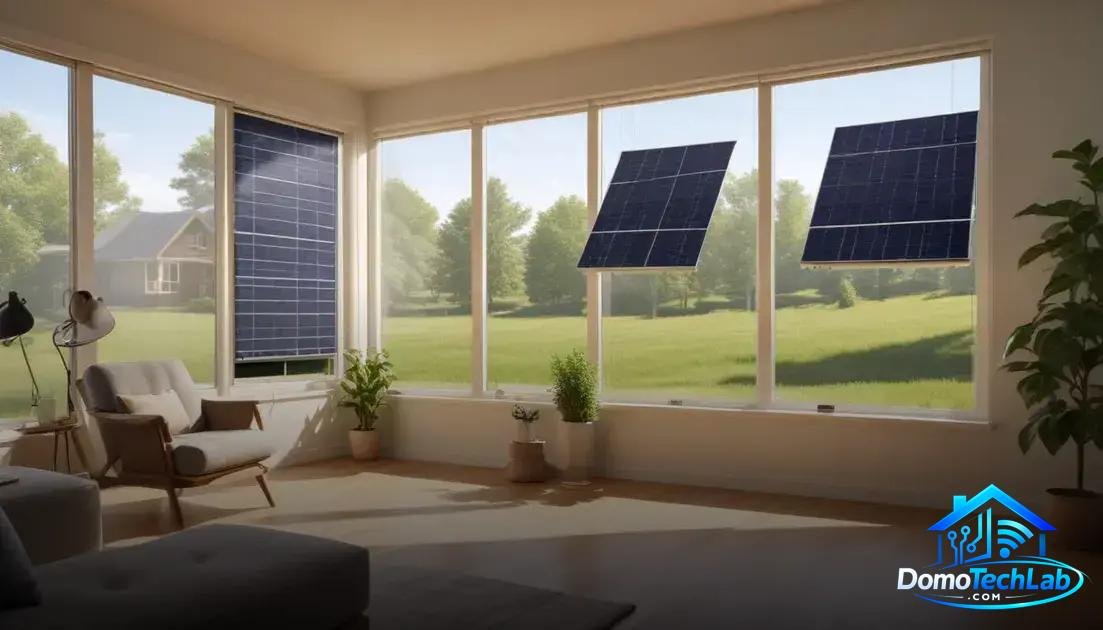
Solar shades not only provide convenience and control but also pose important energy and sustainability considerations. Integrating efficient technologies in the home helps reduce energy consumption and create a more eco-friendly environment.
Energy Efficiency
Using technologies like Zigbee and Matter allows you to control the amount of light entering the home. This way, you can adjust the solar shades to maximize natural light, reducing the need for artificial lighting and thus energy consumption.
Autonomy and Solar Energy
Solar shades can be complemented with solar panels, converting sunlight into a renewable energy source. This type of solution not only decreases dependence on the power grid but can also generate significant savings on the energy bill.
Environmental Impact
Responsible energy usage contributes to reducing environmental impact. Implementing smart devices that optimize energy use helps to decrease your home’s carbon footprint, promoting a more sustainable lifestyle.
Conclusion: Solar Shade Control for an Efficient Smart Home
Implementing solar shade control not only enhances your home’s comfort and privacy but also boosts energy efficiency and sustainability. At DomoTechLab, we emphasize the importance of local automation as a robust solution that ensures optimal performance without sacrificing privacy.
We encourage you to explore protocols like Zigbee and Matter to discover how they can transform your living space. Let’s explore the future of home automation together and make it a reality in your home.
Frequently Asked Questions About Solar Shade Control
Are solar shades compatible with any automation system?
Not all solar shades are compatible with all systems. Check that they are compatible with protocols like Zigbee or Matter before making a purchase.
Can I control my solar shades from a mobile app?
Yes, many smart solar shades can be controlled via mobile apps that connect to a hub or local control that manages them.
What should I do if my solar shades have high latency?
Check your hub connection and ensure they are using an efficient protocol like Zigbee. Latency may increase if there are too many devices on the same Wi-Fi network.
Can solar shades integrate with voice assistants?
Yes, most solar shades compatible with Zigbee or Matter can integrate with voice assistants like Alexa or Google Home for easy control.
Is it possible to automate solar shades according to the time of day?
Yes, you can schedule your solar shades to open or close at specific times using a compatible automation system like Home Assistant.
What factors can I consider for sustainability?
Consider solar energy and the use of technologies that enhance energy efficiency. Systems using Zigbee allow for better control of energy consumption in the home.