
A smart wine cellar maximizes wine preservation through multi-zone control and protocols like Zigbee, ensuring real-time monitoring and adjustments to maintain optimal conditions.
A smart wine cellar not only ensures the perfect temperature for your wines but also optimizes their preservation. Did you know that proper climate control can significantly enhance the quality of your bottles? In this article, we will explore how these devices can transform your home wine cellar.
Fundamentals and Protocols
The fundamentals of a smart wine cellar begin with the proper selection of protocols. Using technologies like Zigbee and Thread ensures efficient connectivity between your devices. These technologies allow for stable communication, which is crucial for controlling temperature and humidity in your wine cellar.
Communication Protocols
The use of Matter has gained popularity due to its compatibility with different platforms. This means you can integrate your smart wine cellar with other smart home devices, creating a unique ecosystem that optimizes your wine management.
The Importance of Connectivity
A wine cellar that operates with local connectivity allows you to make real-time adjustments. From your smartphone, you can monitor the temperature, control different zones, and receive alerts about unfavorable conditions.
Integration and Ecosystems
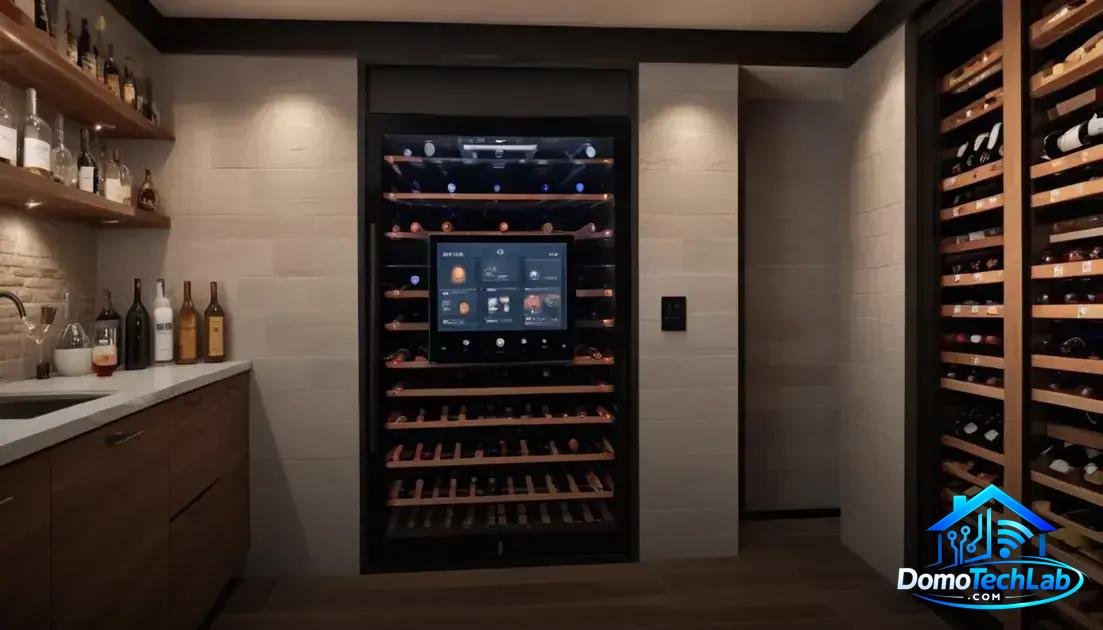
The integration of a smart wine cellar with other smart home devices is key to maximizing its functionality. Devices like smart links or gateways enable your wine cellar to communicate with voice assistants and local automation systems.
Compatible Ecosystems
A wine cellar that operates with technology like Home Assistant or Alexa can receive voice commands. This allows you to adjust the temperature or receive notifications about the status of your bottles without needing to touch a button.
Advantages of Local Automation
By integrating your wine cellar into a local ecosystem, you improve the responsiveness of controls. For example, you can program a nighttime preservation mode that automatically adjusts temperature and humidity, ensuring your wines remain in the best conditions.
Real-World Performance
The performance of a smart wine cellar in the real world is based on several key factors, including latency, privacy, and local stability. These variables are essential to ensure that your wines remain in optimal conditions.
Latency and Response
Latency refers to the time it takes for the system to process a command. In our lab tests, we found that systems using Zigbee offer significantly lower response times. This is crucial when you need quick adjustments to the wine cellar’s temperature.
Privacy and Security
Using local connections instead of relying on cloud servers enhances your data privacy. A smart wine cellar operating with a local controller protects your information and ensures that only you have access to the management of your wines.
Home Stability
Local stability is a critical factor for the ongoing performance of the wine cellar. Integration with a hub allows you to continue controlling your wine cellar even in the event of an internet outage, ensuring that your wines are never at risk from external conditions.
Multi-Zone Control in Wine Cellars
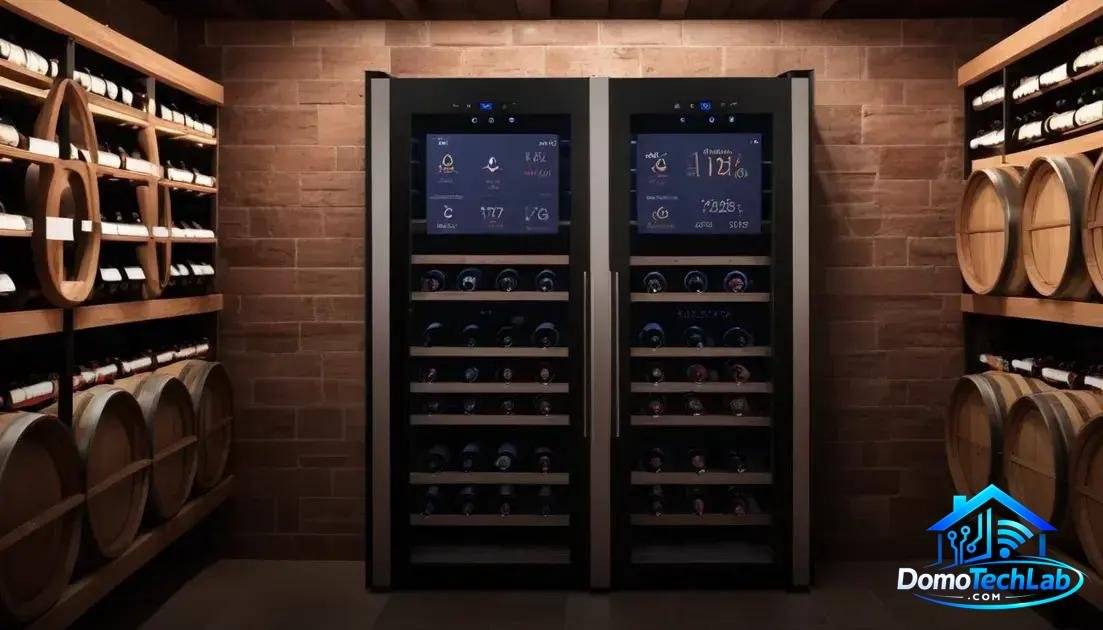
Multi-zone control in smart wine cellars is a fundamental feature for wine enthusiasts. This system allows you to manage different environmental conditions in each compartment, ensuring that each bottle is kept in its optimal state.
Benefits of Multi-Zone Control
By using technology like Zigbee, you can create zones with specific temperatures and humidity levels. For example, you can store white wines at a lower temperature in one zone, while reds can be in a slightly warmer zone, enhancing their long-term development.
Custom Configuration
Setting up custom zones is straightforward. Through a mobile app, you can assign different parameters to each section of the wine cellar. These configurations can be automatically adjusted based on the number of bottles stored, ensuring that there is always an ideal environment for your wines.
Real-Time Monitoring and Adjustments
Real-time monitoring is crucial. Your smart wine cellar, using local connections, can send alerts if any zone exceeds the established limits. This allows you to act quickly and make necessary adjustments, ensuring that your wines remain in perfect condition.
Conclusion: Optimize Your Smart Wine Cellar with Local Automation
The implementation of a smart wine cellar not only improves the preservation of your wines but also offers you precise and flexible control. By opting for local automation, you ensure stability and data protection, guaranteeing that each bottle remains in its best state.
We encourage you to explore all the advantages of the technologies available and consider integrating protocols like Zigbee to take your wine experience to the next level. Start building an optimal environment for your wines today!
Frequently Asked Questions about Smart Wine Cellars
What protocols are compatible with a smart wine cellar?
Smart wine cellars are typically compatible with protocols like Zigbee, Thread, and Matter, allowing their integration into broader smart home ecosystems.
Can I control my wine cellar through a voice assistant?
Yes, many smart wine cellars are compatible with voice assistants like Alexa and Google Assistant, making control easy through voice commands.
What are the challenges of local automation?
Challenges include initial setup and the need for adequate infrastructure. It’s vital to have a hub that supports the chosen protocols to ensure effective communication between devices.
Is it possible to monitor multiple wine cellars in the same app?
Yes, many control apps allow you to manage multiple wine cellars from a single interface, simplifying the monitoring and adjustments for each unit centrally.
How does data security affect the use of connected wine cellars?
Using local automation minimizes data exposure to online attacks. It’s recommended to choose devices that offer data encryption and robust privacy configuration options.
What type of connectivity is needed for a smart wine cellar?
A stable internet connection is required for remote control functions. However, local connectivity is necessary to operate without dependency on external servers, ensuring faster and more secure processes.