
Smart aromatherapy enhances well-being by integrating diffusers and connected devices in your home, allowing for customized automations that optimize the atmosphere for rest and relaxation.
Smart aromatherapy is changing the way we experience well-being in our homes. Imagine your Wi-Fi humidifier adapting the ambient fragrance according to the time of day. Curious about how this can be achieved?
Fundamentals and Protocols (Zigbee, Matter, Wi-Fi)
The foundation of an effective smart home lies in the choice of communication protocols. Each of these has unique characteristics that can affect the overall performance of your network. The most commonly used include Zigbee, Matter, and Wi-Fi.
The Zigbee Protocol
Zigbee is known for its energy efficiency and ability to connect multiple devices in a mesh. This means each device can communicate with others, creating a robust and reliable network. It is ideal for low-power devices like sensors and light bulbs.
Interoperability with Matter
Matter is designed to provide unprecedented interoperability between different brands and platforms. This facilitates the integration of devices from various manufacturers, eliminating barriers that previously existed in the home automation ecosystem.
Wi-Fi and Its Role in Local Automation
Finally, although Wi-Fi is common, its use must be well planned. Despite its wide availability, it can congest the network. However, when combined with other protocols, it can be used for devices that require high bandwidth, such as security cameras and streaming systems.
Integration and Ecosystems (Home Assistant, Alexa, Google Home)
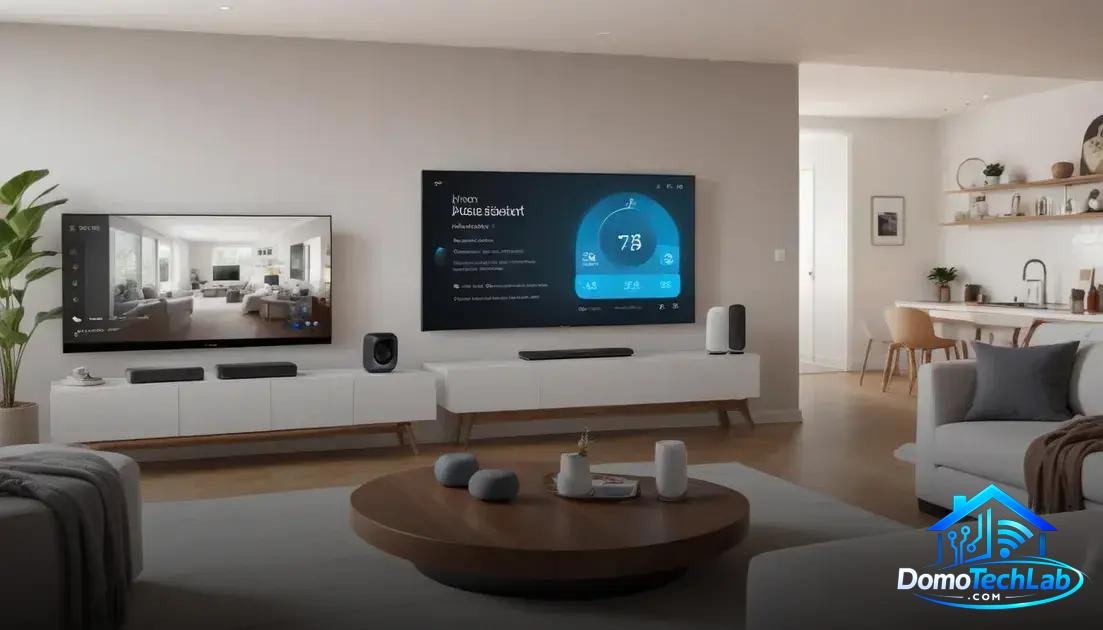
The integration of devices in a smart ecosystem is key to maximizing efficiency and control in your home. Tools like Home Assistant, Alexa, and Google Home allow for centralized management of devices, providing a smoother experience.
Features of Home Assistant
Home Assistant is a local automation platform that stands out for its flexibility and customization. It facilitates the integration of a wide range of devices through its interface, allowing you to create rules and automations that fit your specific needs.
Alexa and Its Versatility in Voice Commands
Alexa provides immediate response through voice commands, simplifying interaction with your devices. You can control lights, smart plugs, and more, all without the need for a remote control. This accessibility enhances the user experience and makes home automation more intuitive.
The Simplicity of Google Home
Google Home stands out for its ability to work with multiple devices and services, providing contextual information and updates. Its integration with Google Assistant allows you to set routines that adjust lighting, temperature, and multimedia devices according to your preferences, offering convenience and efficiency.
Real World Performance (Latency, Privacy, and Local Stability)
The performance of a smart home system in the real world is measured through factors such as latency, privacy, and local stability. Evaluating these aspects is crucial to ensure a consistent and secure experience.
Latency and Its Impact on Automation
Latency refers to the time it takes for a device to respond to a command. In our tests, we found that using a local controller and protocols like Zigbee significantly reduces this response time, providing instant control and avoiding delays that can frustrate users.
Privacy in the Home Ecosystem
Privacy is a critical issue. Internet-connected devices can expose sensitive data. By opting for systems that allow local automation, such as Home Assistant, the need to send information to external servers is minimized, thus protecting user privacy.
Local Stability for a Reliable Experience
Local stability is essential to maintain system functionality, even during internet outages. Configuring devices that connect to a Zigbee or Matter network ensures that your home continues to operate effectively, without relying on external connections, which can be unreliable.
Sleep and Wellness Routines
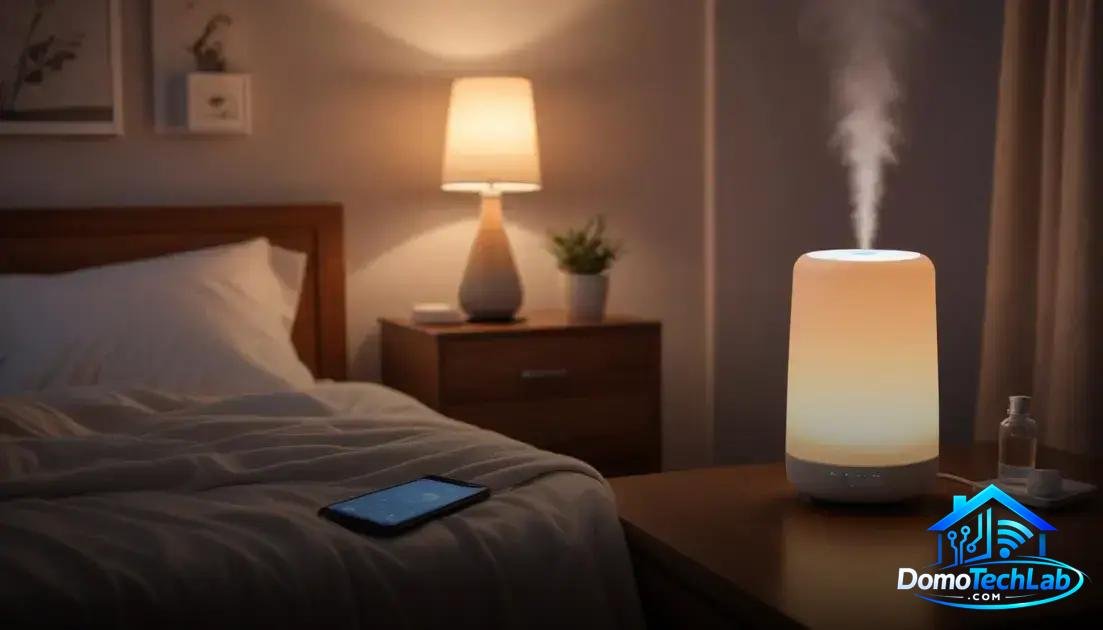
Sleep and wellness routines can be significantly improved by implementing smart home technology. Integrating devices that work in harmony helps create an environment conducive to rest and relaxation.
Setting the Right Atmosphere
Local automation allows you to adjust lighting and temperature before bedtime. For example, using a smart bulb, you can program a gradual dimming of the light in the room, simulating sunset and preparing your body for rest.
Using Aromatherapy to Improve Sleep
Devices like smart diffusers can release essential oils into the room, creating a calming and relaxing environment. By integrating a Wi-Fi humidifier, you can set specific schedules for the diffusion of aromas that promote rest.
Customized Routines for Rest
Thanks to platforms like Home Assistant, you can create customized routines that combine light, temperature, and aroma. For example, by saying “Good night,” all lights turn off and the diffuser starts releasing lavender, which aids the onset of sleep.
Conclusion: Enhance Your Well-Being with Smart Aromatherapy
The implementation of smart aromatherapy in your home not only improves air quality but also enhances your overall well-being. By adopting local automation solutions, you can effectively control your environment, ensuring privacy and quick response in all your routines.
We encourage you to continue exploring the possibilities offered by smart devices and automation systems. Transform your home into a haven of well-being and comfort today!
Frequently Asked Questions about Smart Aromatherapy
What devices are compatible with smart aromatherapy?
Smart aromatherapy is compatible with diffusers that have Wi-Fi connectivity or protocols like Zigbee. Be sure to check the product specifications before purchasing.
Can I integrate my smart diffuser with other devices in my home?
Yes, many smart diffusers can be integrated with systems like Home Assistant, Alexa, and Google Home, allowing you to create custom routines and automations.
What challenges might I face when setting up a smart aromatherapy system?
Some challenges may include device compatibility, incorrect network configuration, and the need for firmware updates. It is essential to read the user manual and follow the manufacturer’s recommendations.
How does latency affect the experience of smart aromatherapy?
Latency can affect the response time when activating or deactivating a diffuser. By using a local controller, as is the case with systems based on Zigbee, latency can be minimized and the user experience improved.
Is a hub necessary for smart aromatherapy to function?
Depending on the brand and model of your diffuser, a hub may be necessary to connect the devices to the local network or the cloud. Check the manufacturer’s recommendations to determine the best configuration.
What benefits does smart aromatherapy provide compared to traditional methods?
Smart aromatherapy allows for scheduling, controlling the intensity of aromas, and integrating other automation functions in the home, which is not possible with traditional methods that require manual intervention.