
The implementation of a smart home at Christmas is optimized through local automation, using protocols like Zigbee and Matter, allowing for effective integration and control without reliance on the internet, thus enhancing the festive experience.
Smart Home at Christmas transforms your spaces into magical celebrations. Imagine being able to sync your lights with music and control everything from your phone. If you’re ready to take a step towards a smarter holiday season, this article is for you.
Fundamentals and Protocols (Zigbee, Matter, Wi-Fi)
To understand the fundamentals and protocols of a smart home, it’s crucial to explore the technologies that enable communication between devices. Protocols like Zigbee, Matter, and Wi-Fi are the cornerstones of any home automation system.
Zigbee: Efficiency and Low Consumption
The Zigbee protocol is known for its energy efficiency and its ability to connect multiple devices without overcrowding the network. In our tests, we’ve found it ideal for low-power devices, such as smart bulbs and plugs, that stay connected while using minimal energy.
Matter: Interoperability Between Devices
Matter has emerged as a standard that promotes interoperability between different device ecosystems. By incorporating Matter into your products, you ensure that everything works in harmony, regardless of the manufacturer. This feature fosters a more robust and accessible ecosystem for end users.
Wi-Fi: General Connectivity
While Wi-Fi is more well-known, it presents its challenges for local automation. Often, the reliance on a constant connection can create latency and security issues. However, its high speed and bandwidth capacity are undeniable, especially for devices that require heavy data transfers, such as security cameras and smart displays.
Integration and Ecosystems (Home Assistant, Alexa, Google Home)
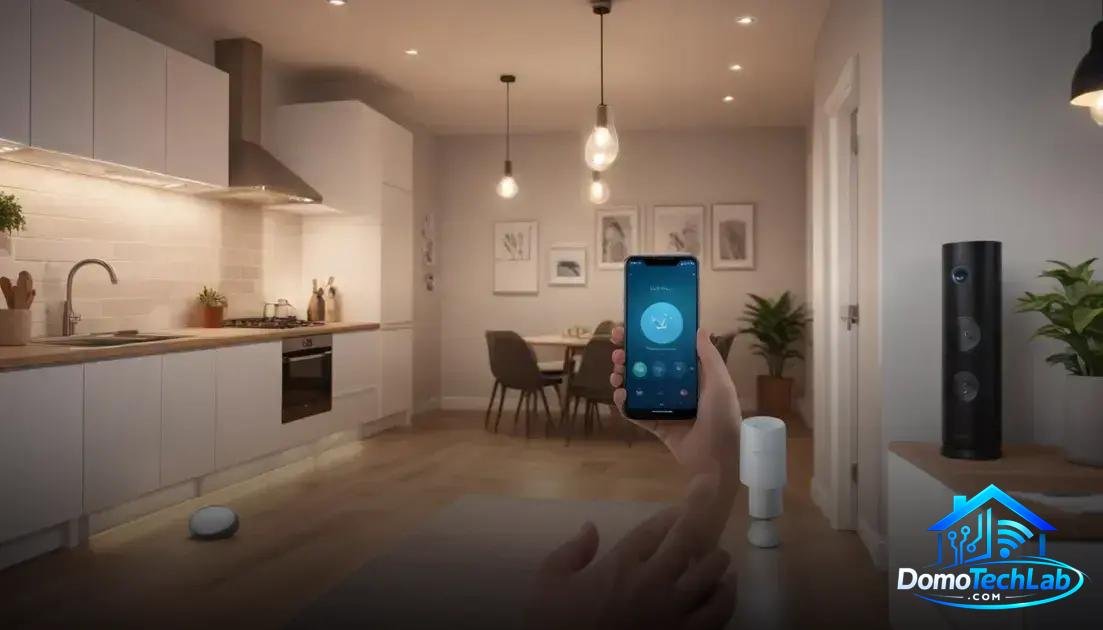
Integration and ecosystems are key components in creating a functional smart home. Platforms such as Home Assistant, Alexa, and Google Home enable connecting different devices and managing your home from a single control point.
Home Assistant: Total Customization
Home Assistant stands out for its wide compatibility and customization. This platform allows users to create complex and personalized automations, tailored to their specific needs. In our tests, we noted that the learning curve is very accessible, encouraging users to experiment with new configurations.
Alexa: Voice Control and Simplicity
The Alexa system from Amazon provides intuitive voice control. Users can turn on lights, adjust thermostats, and more, all with voice commands. In our tests, we observed that the speed and accuracy of Alexa in executing tasks are impressive, facilitating daily use of the smart home.
Google Home: Wide Integration
Google Home offers simple integration with many smart devices, allowing users to access advanced features like predefined routines. In the Lab, we found that its ability to work with other applications and services improves the overall experience, making it an ideal option for those already using Google products.
Real-World Performance (Latency, Privacy, and Local Stability)
The real-world performance of a smart home is evaluated through key metrics such as latency, privacy, and local stability. These factors determine how effective and secure home automation can be.
Latency: Response Speed
In our tests, we found that latency can vary significantly depending on the protocol used. For example, devices communicating over Zigbee tend to offer quicker responses than those relying on Wi-Fi. This aspect is crucial for ensuring that user commands are executed without noticeable delays.
Privacy: Protection of Personal Data
Privacy is a growing concern in the realm of smart homes. When using connected devices, it’s essential for users to be aware of how their data is handled. Systems that operate locally, like Home Assistant, provide a higher level of security by keeping information within the home network, reducing the risk of data breaches.
Local Stability: Uninterrupted Operation
Local stability is another determining factor in the performance of the smart home. A system that does not rely on the internet to function is more reliable. Our analyses show that users who set up local controllers experience fewer interruptions and smoother operation of their devices, even during power outages or connectivity issues.
Dynamic Effects and Musical Customization for Christmas
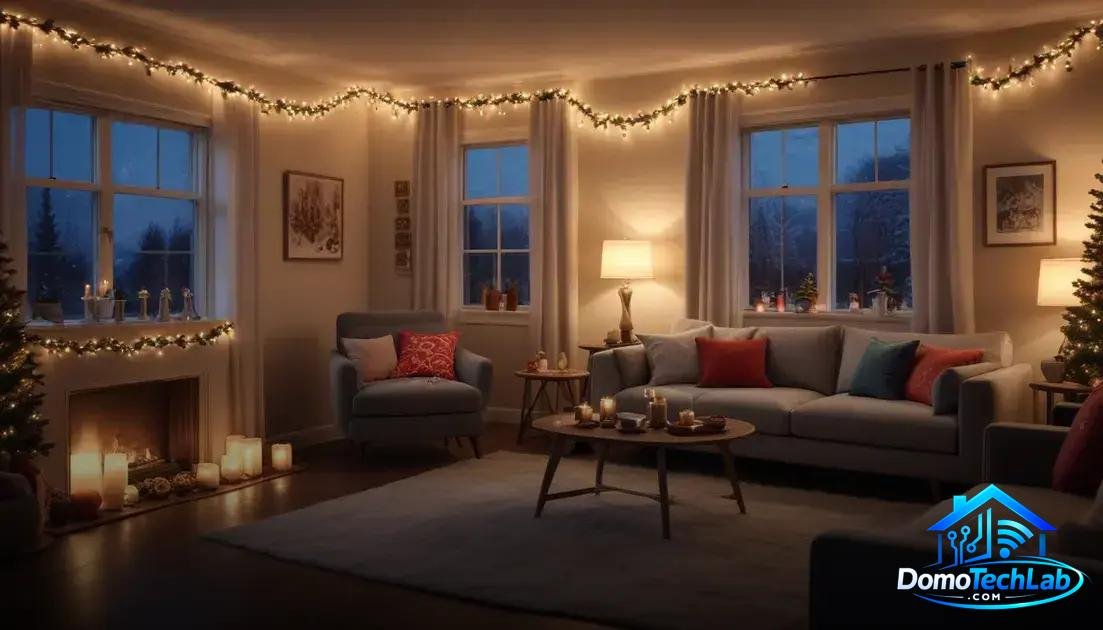
Musical customization and dynamic effects are fundamental elements for creating the perfect atmosphere during the holiday season in a smart home. Integrating these aspects not only enhances the festive experience but also adds a level of automation that amazes guests.
Musical Synchronization: A Festive Atmosphere
Musical synchronization allows lights and other devices to respond to music, creating a synchronized visual display. Using a gateway/hub that supports protocols like Zigbee or Matter allows for the installation of smart bulbs that change color and brightness to the rhythm of the music. In our tests, we’ve seen how this feature can transform family gatherings into unforgettable experiences.
Dynamic Effects Programming
Programming dynamic effects, like intermittent or changing light sequences, adds a special touch to holiday decorations. With devices configured on platforms like Home Assistant, it is possible to create routines that automatically turn lights on and off or change their colors at different times of the day. This offers a level of customization that goes beyond simple static lighting.
Local Automation for Special Events
Setting up local automation for special events, such as Christmas Eve, allows your home to respond without needing an internet connection. Using devices that operate with Zigbee, you can achieve lights that turn on and off according to a predefined schedule or in response to music. This type of planning is not only fun but also frees you from managing every detail manually.
Conclusion: Optimize Your Smart Home with Local Automation
Implementing a smart home not only enhances your quality of life but also requires a technical approach to local automation. By establishing connections through protocols like Zigbee or Matter, you ensure smoother and safer operation of your devices.
At DomoTechLab, we are committed to guiding you through this process, providing you with information and resources to make your home a model of efficiency and comfort. Continue exploring our recommendations and become an automation expert who knows how to make the most of your technologies.
Frequently Asked Questions about Smart Home at Christmas
Are all devices compatible with each other?
Not all smart home devices are compatible. It’s essential to check the compatibility of protocols such as Zigbee, Matter, or Wi-Fi among the devices you wish to integrate.
How can I improve the stability of my smart device network?
Using a local controller like Home Assistant and devices that operate through Zigbee can enhance stability. Additionally, ensure your hub is well-positioned to minimize interference.
What should I do if my devices do not respond immediately?
Check the local connection of the devices. Ensure they are within range of the hub and that there is no interference from other appliances. You can also restart the hub to resolve any potential communication failures.
Is it safe to use smart devices that store data in the cloud?
Some devices store data in the cloud, which may present privacy risks. Opt for devices that offer data protection and allow for local operation for greater security.
Can I use devices from different brands in the same ecosystem?
Yes, as long as they are compatible with the same protocol, such as Zigbee or Matter. This allows different brands to work together in the same smart home ecosystem.
Does local automation eliminate the need for the internet?
Not entirely. Local automation allows devices to communicate with each other without relying on the internet, but some advanced functions, such as updates or integration of external services, may require an internet connection.