
A smart home for babies is based on local automation, allowing the integration of devices such as breathing monitors and temperature controls, thereby ensuring a safe and efficient environment without relying on internet connectivity.
Smart Home for babies offers a new way to care for the little ones, allowing parents to monitor everything with a single touch. Can you imagine controlling light, temperature, and sound from your smartphone while keeping the room quiet?
Fundamentals and Protocols (Zigbee, Matter, Wi-Fi)
The fundamentals of an effective smart home revolve around choosing the right protocols. Systems based on Zigbee, Matter, and Wi-Fi offer different advantages that cater to the specific needs of each home.
Zigbee Protocol
Zigbee stands out for its low power consumption and its ability to connect multiple devices on a network. Ideal for smart lighting and sensors, it allows effective communication between devices over short distances. Its mesh structure helps extend coverage, making each device act as a repeater to improve the signal.
Matter Protocol
Matter is an emerging protocol designed for interoperability between devices from different manufacturers. Its goal is to simplify the installation and operation of smart devices, ensuring they work together seamlessly. With backing from major tech companies, Matter is expected to become the de facto standard for home automation.
Wi-Fi Protocol
Wi-Fi is perhaps the most well-known protocol, facilitating the connection of devices to the internet. While it offers excellent connection speeds, its use in low-power devices can be inefficient. In smart home applications, it is advisable to reserve the use of Wi-Fi for devices that need constant internet access, such as security cameras or voice assistants.
Integration and Ecosystems (Home Assistant, Alexa, Google Home)
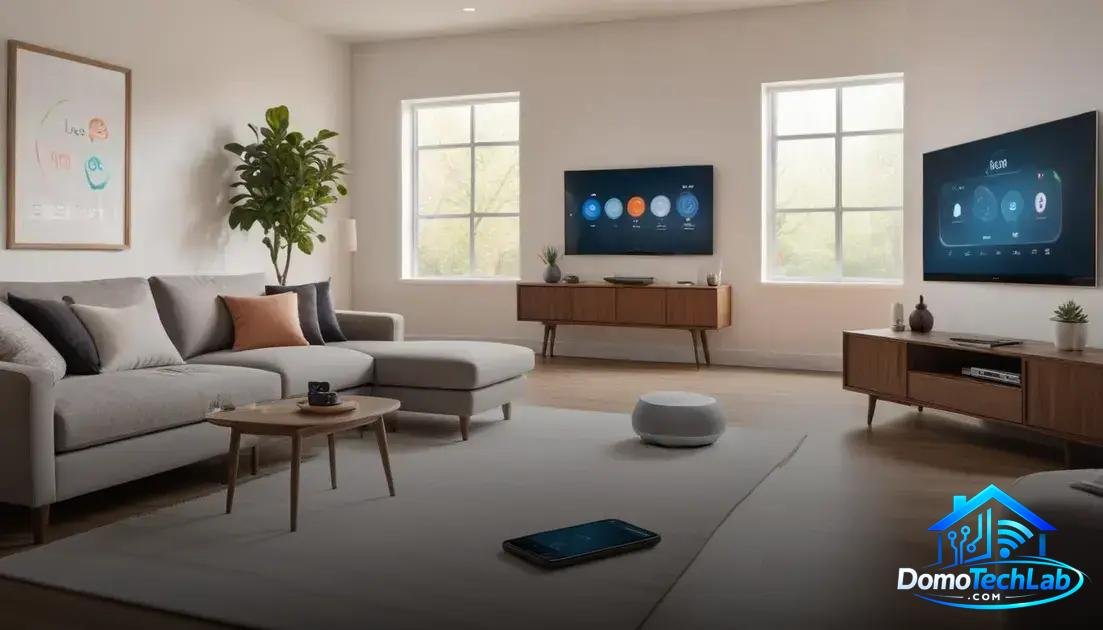
The integration of devices in a smart home is fundamental to maximizing their functionality. Platforms like Home Assistant, Alexa, and Google Home offer different approaches to centralize device control.
Home Assistant
Home Assistant is an open-source solution that allows users to fully customize their smart home. This platform offers wide compatibility with various devices and services. Its local automation capability ensures that critical functions remain operational even without internet access, enhancing privacy and security in the home.
Alexa and Google Home
Alexa and Google Home are cloud-based platforms that allow voice control of devices. Both provide a seamless user experience, enabling the setup of routines and intuitive device control. Although they require internet connectivity, their ease of use and broad compatibility make them popular among smart home users.
Ecosystem Comparison
The differences between these ecosystems lie in their approach. While Home Assistant offers more advanced and user-specific control, Alexa and Google Home provide a simpler and quicker integration, ideal for those looking for a more accessible setup. Evaluating your priorities will help you choose the ecosystem that best suits your home.
Performance in the Real World (Latency, Privacy, and Local Stability)
The performance of a smart home is evaluated based on latency, privacy, and local stability. These factors are crucial to ensure devices respond efficiently and securely.
Latency in Smart Devices
Latency refers to the time it takes for a device to receive and execute a command. In the realm of local automation, minimizing latency is essential. By using protocols like Zigbee or Matter, devices can communicate more quickly and effectively, ensuring actions like turning on lights or adjusting the temperature happen instantly.
Smart Home Privacy
Privacy is a critical issue when talking about connected devices. Many cloud platforms handle personal data, which can raise security concerns. Opting for solutions with local automation allows data to be processed within the home network, minimizing exposure to external threats and giving users greater control over their information.
Local Network Stability
Local stability is crucial for the functionality of a smart home. Networks that depend on the internet can be affected by service outages or network congestion. By implementing devices that operate locally, you ensure that your smart home continues to function, even in the event of external connectivity loss. This is especially important for security and monitoring systems.
Device Features (Breathing Monitors, Temperature Control)
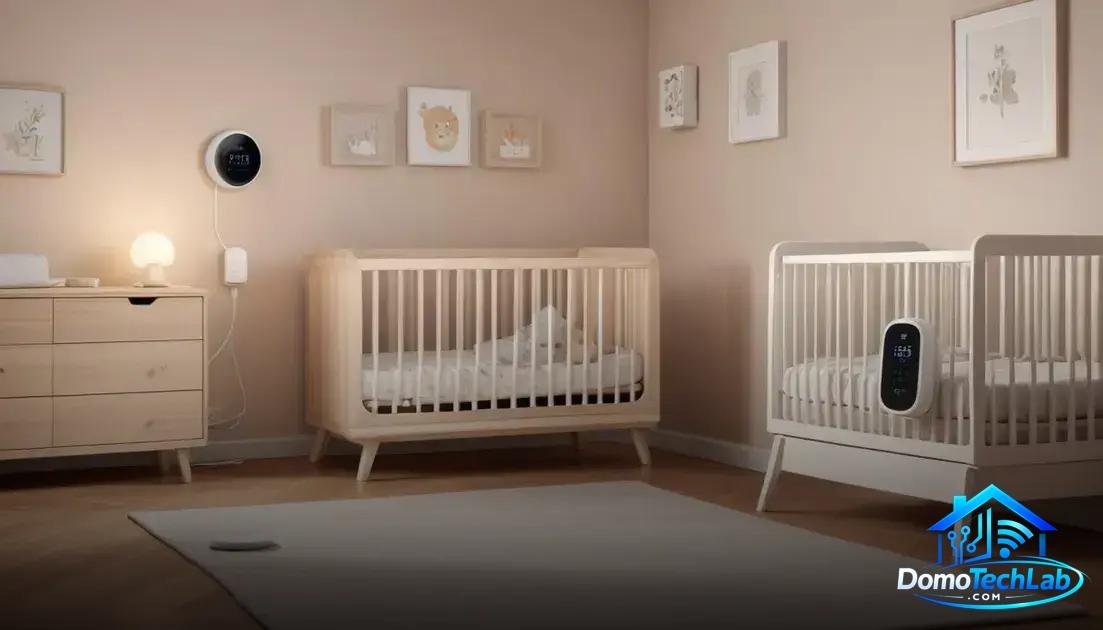
Devices in a smart home must meet specific characteristics that enhance user experience and safety. Breathing monitors and temperature control systems are key examples that highlight innovation in home care.
Breathing Monitors
Breathing monitors provide peace of mind for parents by tracking babies’ respiratory rates in real-time. These devices utilize advanced sensors that integrate via protocols like Zigbee or Matter, allowing data to be sent to a smartphone app. This facilitates instant alerts if anomalies are detected, providing an additional level of safety.
Temperature Control
Temperature control is crucial to maintain a comfortable environment. Devices like smart thermostats automatically adjust heating or cooling based on user preferences. Some of these devices also allow monitoring temperature from an app, providing valuable information about the home’s environmental conditions.
Device Interaction
The interconnection between monitoring devices and temperature control is vital for effective local automation. For example, a breathing monitor may send a signal to a smart thermostat to adjust the temperature if a fever is detected in the baby. This ensures an optimal environment and responds quickly to user needs.
Conclusion: Invest in an Effective and Safe Smart Home
Local automation is key to maximizing the functionality and security of your smart home. By implementing devices that operate without relying on the cloud, you ensure not only a faster response but also greater privacy and control over your environment.
At DomoTechLab, we are here to support you every step of the way. We invite you to continue learning about the protocols and technologies that will transform your home into a smart space tailored to your needs. Explore our guides and make your home the safe place you’ve always wanted!
Frequently Asked Questions about Smart Home for Babies
What devices are compatible with a smart home?
Most smart devices, including breathing monitors, thermostats, and smart plugs, are compatible with platforms like Zigbee, Matter, and Wi-Fi, as long as appropriate gateways are used.
Can I integrate different brands of devices?
Yes, many systems allow integration of devices from different brands. The key is to choose a platform that supports multiple protocols, such as Home Assistant.
How can I improve the stability of my smart device network?
To improve stability, make sure to use devices that operate locally and have mesh technology like Zigbee. This helps minimize dependency on internet connectivity.
Are smart home devices secure?
Security depends on the configuration and the chosen protocols. Opting for devices that operate in a local automation ecosystem enhances privacy, reducing exposure to external attacks.
What to do if devices do not communicate with each other?
Check the compatibility of the protocols used and verify the network configuration. Ensure all devices are updated and correctly connected to the same network.
Is it difficult to set up a smart home?
The ease of setup varies by devices. Many current products offer intuitive apps and step-by-step guides, making the installation more accessible for users.