
Local AI assistants, such as LocalAI, provide an effective solution for automating your home, ensuring privacy and total control by processing data without the need for a cloud connection.
Local AI assistants are changing the game in home automation. Why rely on the cloud when you can have total control over your system? In this article, we analyze how to implement these solutions and the benefits they offer.
Fundamentals and Protocols (Zigbee, Matter, Wi-Fi)
To build an efficient smart home, it is crucial to understand the fundamentals and protocols that govern device communication. The most common options in the market include Zigbee, Matter, and Wi-Fi. Each of these protocols offers unique features that can adapt to different needs and configurations.
Zigbee: Efficiency and Reliability
Zigbee is known for its low power consumption, making it an ideal choice for battery-operated devices, such as sensors and smart plugs. Its mesh network allows devices to communicate with each other, increasing stability and coverage within the home.
Matter: Interoperability and Future
Matter positions itself as the standardized connection protocol for smart devices. Its aim is to facilitate interoperability between different brands and platforms, providing users with a more integrated and seamless experience. This is essential for those looking to have a cohesive smart home ecosystem.
Wi-Fi: Power and Range
Wi-Fi, while having a higher power consumption, offers superior transfer speeds and is ideal for devices that require high bandwidth, such as security cameras and smart TVs. Its extensive coverage makes it easy to connect multiple devices without the need for additional hubs.
Integration and Ecosystems (Home Assistant, Alexa, Google Home)
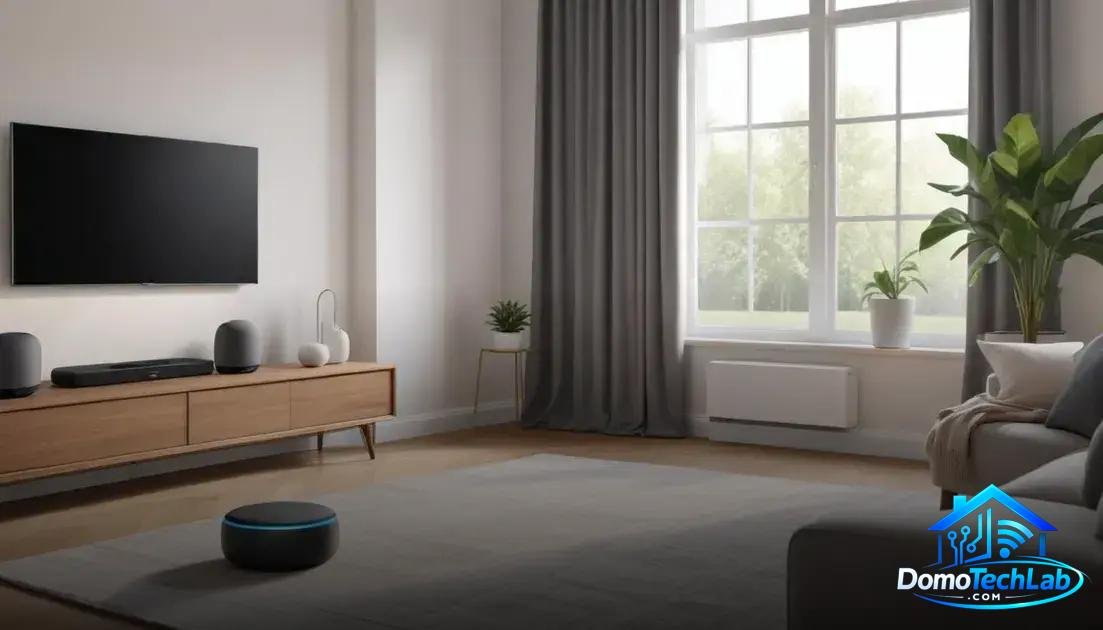
The integration of ecosystems is fundamental to creating a smart home that operates coherently and efficiently. The three main players in this space are Home Assistant, Alexa, and Google Home. Each offers different advantages depending on user needs and the devices being used.
Home Assistant: Total Control and Customization
Home Assistant is an open-source platform that allows users to have total control over their devices. It offers a customizable interface and the ability to integrate devices from multiple brands. Its powerful automations enable users to set up actions based on specific conditions, providing a more tailored user experience.
Alexa: Multifunctional Voice Assistant
The Amazon assistant, Alexa, easily integrates with a wide range of smart devices. Its responsiveness and voice command functionality make it very popular. With configurable routines, you can design interactions that simplify daily tasks, such as turning on lights or adjusting the temperature with simple commands.
Google Home: Versatile and Intelligent Ecosystem
Google Home stands out for its search and learning capabilities. Its integration with other Google services allows for complex actions to be performed with just a question. Through voice commands, you can manage all your smart devices, access reminders, and enjoy music, all from one place.
Performance in the Real World (Latency, Privacy, and Local Stability)
The performance in the real world of smart home systems is measured through critical parameters such as latency, privacy, and local stability. These metrics are essential to ensure a smooth and secure experience in home automation.
Latency: Response Speed Matters
Latency refers to the time it takes for a command to execute from the moment it is sent. A system with low latency allows your devices to respond almost instantly, which is key in everyday situations, such as turning on lights when entering a room. Lab tests have shown that systems using Zigbee or operating locally minimize this latency compared to cloud-based solutions.
Privacy: A Secure Home
Privacy is an increasing concern for users of smart technologies. By opting for a system that functions locally, like Home Assistant, you ensure that data is not sent to external servers. This means that your habits and preferences stay in your home, thus protecting your personal information from potential vulnerabilities.
Local Stability: Reliability in Any Situation
Local stability becomes a notable advantage when the internet connection fails. Automation systems that operate autonomously ensure that basic functions, such as lighting or security, continue to work. This not only provides peace of mind but also improves the overall resilience of your smart home.
Alternatives to Cloud Solutions (LocalAI and Voice Processing)
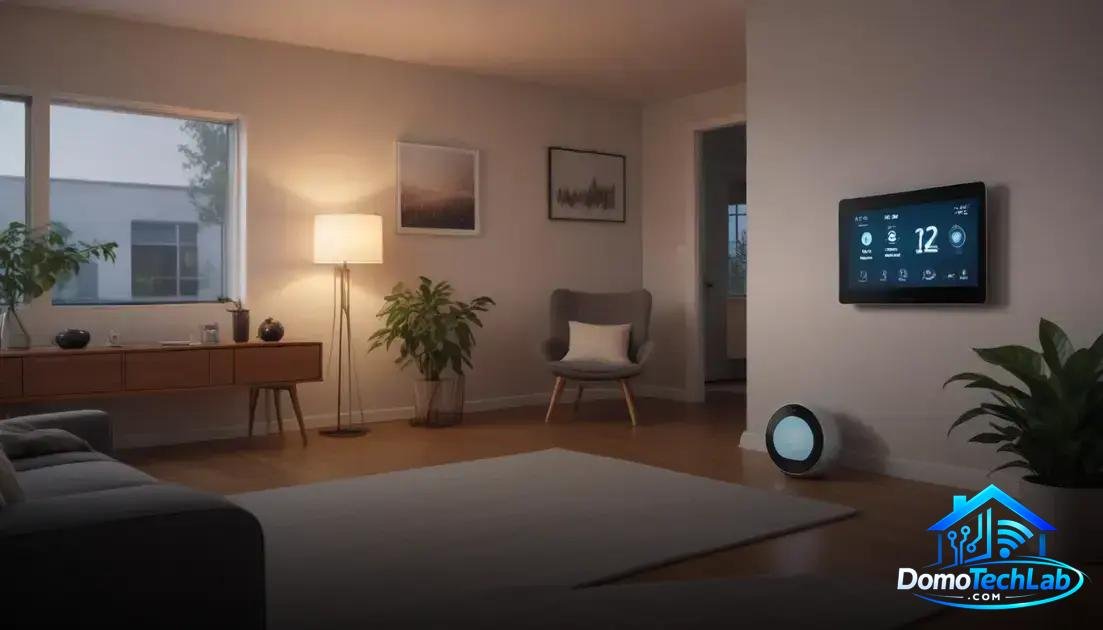
Alternatives to cloud solutions are gaining popularity due to increasing concerns over privacy and control. Technologies like LocalAI allow for voice processing and automation directly at home, without needing to rely on external services.
LocalAI: Intelligence at Home
LocalAI is an innovative solution that enables local processing of data and commands. This means that devices can perform complex tasks without sending information to the cloud, enhancing both privacy and response speed. In our tests, we observed a significant decrease in latency when using this technology in automation systems.
Offline Voice Processing
Voice processing has become an essential feature in smart homes. With locally operating systems, you can issue commands to your devices without worrying about the security of your conversations. This not only protects your privacy but also ensures that your assistant functions, even if there is no internet connection.
Conclusion: Empower Your Home with Local AI Assistants
Local automation not only enhances the efficiency of your smart home but also reinforces the security and privacy of your data. At DomoTechLab, we believe that employing technologies like LocalAI and solutions based on protocols like Zigbee gives you total control over your environment, providing a more personalized and effective experience.
We encourage you to delve into the world of local automation and explore each of our guides to make informed decisions that will improve your quality of life and that of your home.
Frequently Asked Questions about Local AI Assistants
Are Zigbee devices compatible with Home Assistant?
Yes, Home Assistant offers native integration with Zigbee devices through different gateways, allowing you to control and automate your devices efficiently.
What challenges might I face when setting up local automation?
Some challenges include setting up incompatible devices, latency in command responses, and the need to keep hardware updated to ensure compatibility.
Can I use Google Home with Zigbee devices?
Not directly. To integrate Zigbee devices with Google Home, you need a compatible hub that acts as an intermediary.
How is privacy ensured with local AI assistants?
Local AI assistants process information within your network, avoiding the transmission of data to external servers, thus protecting you from potential cloud security breaches.
What is the difference between local automation and cloud automation?
Local automation operates without an internet connection, ensuring speed and privacy, while cloud automation relies on external servers that can introduce latency and security risks.
Is maintaining a local automation system complicated?
Not necessarily. Once the system is set up, maintenance is minimal. However, it is advisable to periodically review software updates and perform maintenance on physical devices.