
Home automation on boats allows for efficient and safe control through local automation systems, integrating protocols such as NMEA 2000 and technologies like Zigbee and Matter to enhance monitoring and connectivity during navigation.
Home automation on boats is transforming the way sailors monitor the safety and performance of their vessels. Would you like to know how these advanced technologies can make your experience safer and more enjoyable at sea?
Fundamentals and Protocols (Zigbee, Matter, Wi-Fi)
The fundamentals of home automation on boats are based on efficient communication protocols that ensure interoperability between devices. Using technologies like Zigbee or Matter is crucial to ensure that all components work in harmony and respond quickly to user commands.
Advantages of Zigbee and Matter
In our analyses, we found that Zigbee offers a mesh network, allowing devices to communicate with one another, thus extending the signal range. In comparison, Matter provides a more universal solution, facilitating the integration of a variety of devices into a single ecosystem. Both protocols optimize connectivity and reduce the need for an overcrowded Wi-Fi network that could compromise performance.
Wi-Fi and Its Role in Marine Home Automation
Although Wi-Fi is common on many vessels, its use can be limited due to interference and signal availability in open water. However, it remains useful for certain devices that require higher bandwidth, such as security cameras or entertainment systems. The key is to combine these protocols to maximize the efficiency and functionality of the onboard automation.
Integration and Ecosystems (Home Assistant, Alexa, Google Home)
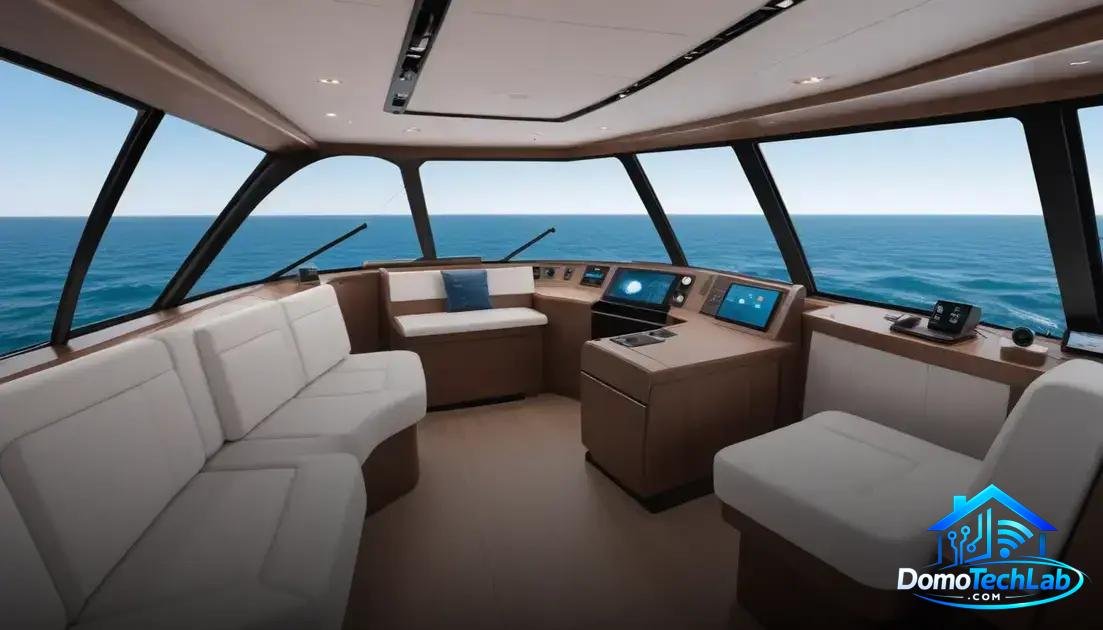
The integration of home automation systems on boats is essential for achieving a seamless and efficient experience. Tools like Home Assistant, Alexa, and Google Home allow for centralized and streamlined control of onboard devices, improving automation and connectivity management.
Platform Compatibility
In our tests, we observed that Home Assistant offers exceptional versatility, allowing for the integration of a wide variety of devices, regardless of the manufacturer. This makes it an ideal choice for those who want to customize their home automation system without being tied to a single brand.
Voice Control with Alexa and Google Home
The use of voice assistants like Alexa and Google Home provides additional convenience while navigating. Through voice commands, sailors can activate lights, check system statuses, and adjust settings, all while keeping their hands free for other important tasks.
Real-World Performance (Latency, Privacy, and Local Stability)
The real-world performance of home automation systems on boats is crucial for their effectiveness and reliability. Factors such as latency, data privacy, and local stability are key elements that will determine the user experience.
Latency and Its Impact
In our tests, we have identified that low latency is essential for the efficient operation of automations. When communication between devices is quick, commands are executed without delays, making the onboard experience more connected and responsive.
Data Privacy and Security
Privacy is a growing concern in the home automation realm. It is essential for boats to have solutions that protect personal information and communication between devices. Systems that operate locally, such as those using Zigbee, minimize exposure to external threats and ensure that data is not shared unnecessarily.
Local Stability in Marine Environments
Local stability is a vital factor when sailing. Automation systems that do not rely on internet connectivity allow devices to operate without interruptions, even in areas where the signal is unstable. This setup ensures that no matter where you are, you have control over all aspects of your vessel.
Marine Monitoring Solutions (NMEA 2000, Satellite Connectivity)
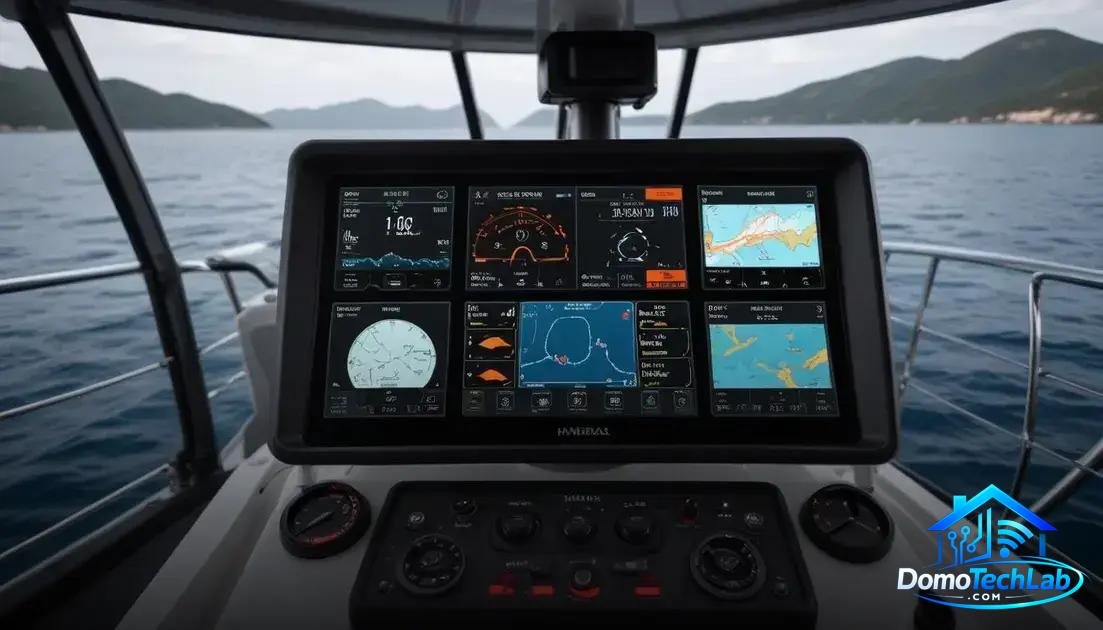
Marine monitoring is an essential part of home automation on boats. Solutions like NMEA 2000 and satellite connectivity enable boat owners to maintain precise control over the performance and safety of their ships.
NMEA 2000: Standardized Protocol
The NMEA 2000 is a protocol that allows communication between various marine devices. This standardized system facilitates the interconnection of equipment, such as engines, depth sensors, and navigation systems, ensuring that information flows smoothly. During our tests, we observed that the proper integration of this protocol improves real-time decision-making in critical situations.
Satellite Connectivity and Remote Access
Satellite connectivity provides a robust solution for monitoring offshore, where mobile networks may fail. Through connected IoT devices, sailors can access critical information about their vessels from anywhere in the world. This not only increases safety but also allows for efficient management of marine operations.
Conclusion: Home Automation on Boats for a Safer and More Efficient Future
The implementation of local automation systems on boats not only enhances safety and comfort but also optimizes the performance of the vessel. At DomoTechLab, we are committed to providing you with the technical information and guidance necessary to navigate confidently in the world of marine home automation.
We encourage you to continue exploring our research and resources to maximize the potential of your vessel and ensure that your experience at sea is the best it can be.
Frequently Asked Questions About Home Automation on Boats
Are home automation devices compatible across different brands?
Compatibility depends on the protocol used. Devices that use Zigbee or Matter tend to be more interoperable, while others may require a specific hub.
What should I do if my internet connection fails?
Automation systems that operate locally, such as those based on Zigbee, will continue to function without an internet connection, ensuring control over your vessel.
What type of devices are ideal for home automation on boats?
Devices such as temperature sensors, security cameras, and smart plugs designed for marine environments are ideal and should be compatible with the selected protocols.
How does interference from other electronic devices affect performance?
Interference can affect network performance. Using devices that operate on different frequencies and having a well-planned network design minimizes these issues.
Is it difficult to install a home automation system on an existing boat?
The installation depends on your vessel’s current infrastructure. New systems can be integrated into older boats, but this requires proper technical assessment.
Can I monitor my boat from anywhere?
Yes, through satellite connectivity solutions and platforms like Home Assistant, you can access and control your home automation system remotely, enhancing your safety and management.