Integrating smart hydration solutions into a home enhances health and well-being, using technologies like Zigbee for local automation, controlling water consumption, and ensuring data privacy.
Smart Home and hydration intertwine surprisingly to transform your daily well-being. With devices that remind you to drink water, you can easily improve your health. Can you imagine having a system that controls these reminders without relying on the cloud?
Fundamentals and protocols (Zigbee, Matter, Wi-Fi)
To achieve an effective smart home, it’s essential to understand the fundamentals of the protocols used. Devices that operate with Zigbee, for example, enable effective communication between different equipment, minimizing network congestion.
Protocol Zigbee
Zigbee is a communication protocol designed for home automation. Its low energy consumption makes it ideal for devices that require constant connectivity, such as temperature sensors and smart lights. The Zigbee network operates in a mesh, which means every device can act as a repeater, extending the range of the network.
Protocol Matter
Matter aims to standardize the interconnection of smart devices from different brands. This simplifies the integration of technologies, allowing a single system to control devices from various manufacturers seamlessly. The implementation of Matter is key to the future of automation, as it enhances interoperability.
Protocol Wi-Fi
While Wi-Fi is a widely used protocol, its energy consumption is considerably higher compared to Zigbee. However, it allows for high data transfer speeds, which is beneficial for devices such as security cameras and smart displays. The choice between Zigbee or Wi-Fi depends on the specific needs of your automation system.
Integration and ecosystems (Home Assistant, Alexa, Google Home)
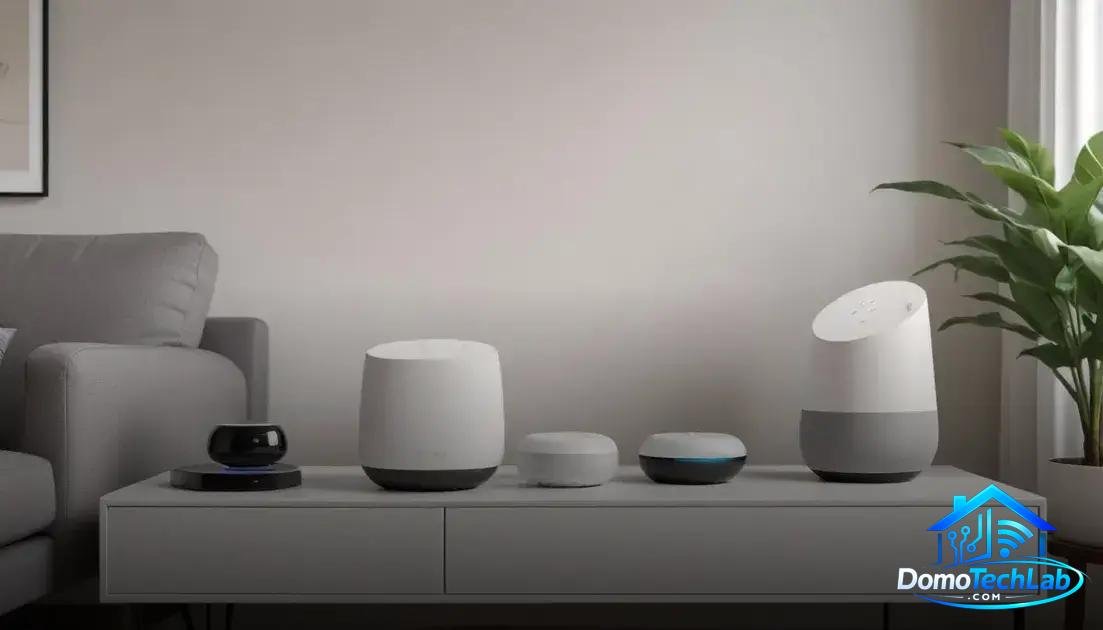
The integration of devices in a smart home ecosystem is essential to optimize functionality. Applications like Home Assistant, Alexa, and Google Home are excellent examples that allow the management and automation of various devices from a single control point.
Home Assistant
Home Assistant is a local automation platform that offers broad compatibility with devices from multiple manufacturers. Its open nature allows users to customize their experience, adapting interfaces and drivers according to the specific needs of their home. Synchronization with Zigbee and other protocols is seamless, facilitating local device management.
Alexa
Alexa, Amazon’s virtual assistant, allows interaction with various devices through voice commands. Its integration with thousands of third-party products makes it a versatile tool. However, its operation relies on an internet connection, which can be a limitation in situations where privacy or independence is essential.
Google Home
Google Home provides a similar approach to Alexa, offering voice control and connectivity with smart devices. The ability of Google Home to integrate with different applications and services makes it very useful for those already immersed in the Google ecosystem. Like Alexa, it requires an internet connection, but its use of artificial intelligence enhances the user experience by customizing responses and actions.
Performance in the real world (Latency, privacy, and local stability)
The performance of a smart home is not only measured by the number of connected devices but also by latency, privacy, and local stability. These factors are vital to ensuring smooth and secure operation of all automations.
Latency
Latency refers to the time it takes for a device to receive and execute a command. In our lab tests, we observed that configurations using Zigbee technology tend to execute commands faster than those that rely entirely on Wi-Fi. This is because Zigbee operates in a mesh network, which facilitates efficient communication between devices.
Privacy
Data privacy is another crucial aspect. Many smart home solutions send information to the cloud for processing, which can be a risk if not handled properly. By opting for systems that operate locally, such as Home Assistant, users can maintain greater control over their data, reducing exposure to potential cyberattacks.
Local Stability
Local stability is achieved through the use of controllers and hubs that do not depend on the internet. This means that even if the connection is interrupted, automations will continue to function. APIs and services that allow local control, such as Zigbee, are fundamental to ensuring that your smart home operates reliably under all circumstances.
Intelligent hydration solutions and interactions
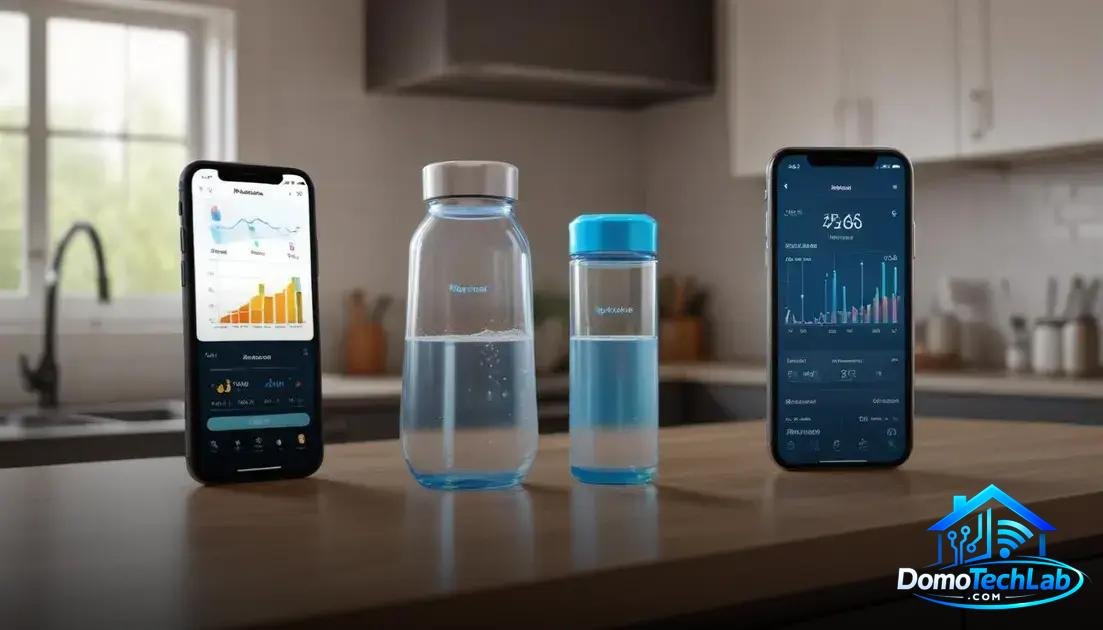
Intelligent hydration solutions are a revolution in health care within a smart home. By integrating technology with devices, it is possible to monitor water consumption and receive reminders to maintain proper hydration.
Hydration Sensors
There are sensors that can track the amount of water consumed and provide data to an application that connects with the system. These devices are often compatible with protocols like Zigbee or Wi-Fi, facilitating integration into a broader home automation ecosystem.
Interactions and Automatic Reminders
Hydration-related automation solutions not only send reminders but also communicate with other smart devices. For example, a light bulb that changes color can alert you when it’s time to drink water. This interactivity enhances the user experience by making health care more gamified and less tedious.
Voice Control
Integrating hydration systems with voice assistants like Alexa or Google Home allows users to ask for updates on their water consumption. You can ask your assistant how much water you’ve drunk today and receive an immediate report, thus facilitating continuous tracking of your habits.
Conclusion: Improve Your Health and Well-Being with a Smart Home
Integrating hydration solutions into your smart home not only optimizes your comfort but also promotes healthy habits. At DomoTechLab, we understand the importance of local automation, ensuring that your devices operate efficiently and securely without relying on the cloud.
We encourage you to continue researching available technologies and to implement them in your home. Together, we can transform your space into a healthier and more connected environment.
Frequently Asked Questions about Smart Home and Hydration
Are smart devices from different brands compatible?
Compatibility depends on the protocol used. Protocols like Matter are designed to facilitate interoperability among devices from different brands.
What impact does latency have on home automation?
Latency affects the response time of your devices. Using local technologies like Zigbee can reduce latency and improve the efficiency of automation.
Can a smart hydration system be integrated with a voice assistant?
Yes, many hydration systems are compatible with assistants like Alexa and Google Home, allowing voice interactions to control water consumption reminders.
What solutions are there to ensure the privacy of my data in a smart home?
Opting for solutions that work locally, such as Home Assistant, can help you maintain control over your data, avoiding reliance on the cloud.
Can I use smart plugs with different protocols on the same network?
Yes, as long as you have a compatible hub that can manage multiple protocols, you can use devices from different technologies on a single network.
What is the biggest challenge when implementing a smart home?
The biggest challenge is often the integration of devices from different brands and protocols. Choosing a robust and flexible ecosystem from the outset facilitates the automation process.