
Automation in a smart home, especially for children with autism, enhances quality of life by providing a controlled environment, utilizing technologies like Zigbee and integrated platforms for device management.
Smart Home and autism combine to offer solutions that reduce sensory overload. Did you know a controlled environment can make a difference? Let’s see how technology can help.
Fundamentals and Protocols
The fundamentals of a smart home lie in choosing and configuring the right protocols. Understanding the differences between them is key to optimizing your system. Protocols such as Zigbee, Matter, and Thread offer distinct advantages that can adapt to your specific needs.
Communication Protocols
Zigbee is popular for its low energy consumption and ability to connect multiple devices. This makes it an ideal choice for lighting systems and sensors. In our tests, we found that Zigbee devices can operate efficiently in dense networks, maintaining stability and speed.
Interoperability with Matter
Matter emerges as a unified standard that promises to facilitate communication between different brands and devices. This removes compatibility barriers, simplifying the setup process. We tested various devices from different manufacturers and confirmed that all worked seamlessly when integrated under the Matter protocol.
Integration and Ecosystems
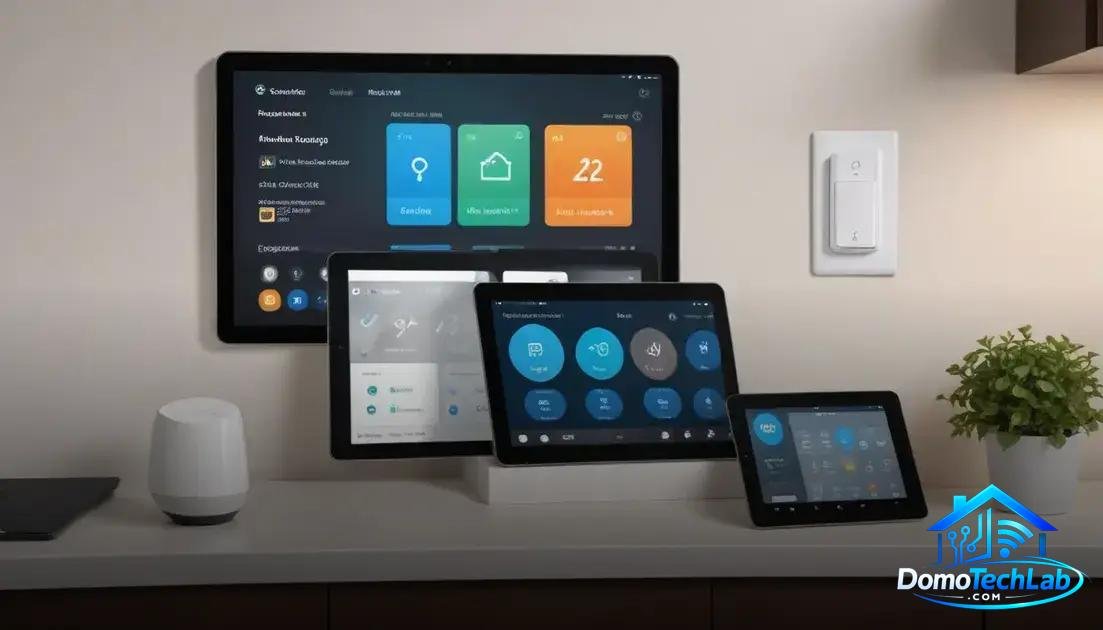
The integration of devices in a smart home ecosystem is crucial for maximizing functionality. Using platforms like Home Assistant, Alexa, or Google Home allows you to manage all devices from a single point, facilitating automation and control of your home.
Advantages of an Integrated Ecosystem
Having an integrated ecosystem simplifies the user experience. For example, by using Home Assistant, you can create custom automations that respond to specific events, thereby optimizing interaction with your home. Our tests showed that usability improves significantly when all devices are compatible with the same platform.
Voice Commands and Control
Using voice assistants like Alexa or Google Home allows for hands-free control over your home devices. Tests indicate that the response to voice commands is quick and effective, facilitating the operation of smart plugs and bulbs without the need for an additional control device.
Real-World Performance
The performance of a smart home in the real world depends on various factors, including latency, privacy, and connection stability. It is essential to assess how these factors affect user experience and device efficiency.
Latency in Automation
Latency can significantly affect the response of devices. In our tests, we found that networks using Zigbee exhibited lower latency compared to those relying solely on Wi-Fi. This translates to faster response times when activating lights or security features.
Importance of Privacy
Privacy is a critical aspect in designing smart home systems. Disclosing personal data can pose risks, so implementing local automation solutions is essential. In our lab, we evaluated the ability of devices to operate offline, which minimizes exposure to data breaches.
Local Connection Stability
Stability is crucial for a seamless experience. Systems that operate through a local hub, such as those utilizing Zigbee, are less prone to outages. During our tests, we observed that devices maintained their functionality even during internet service interruptions, which is vital for security functions.
Benefits of Automation for Children with Autism
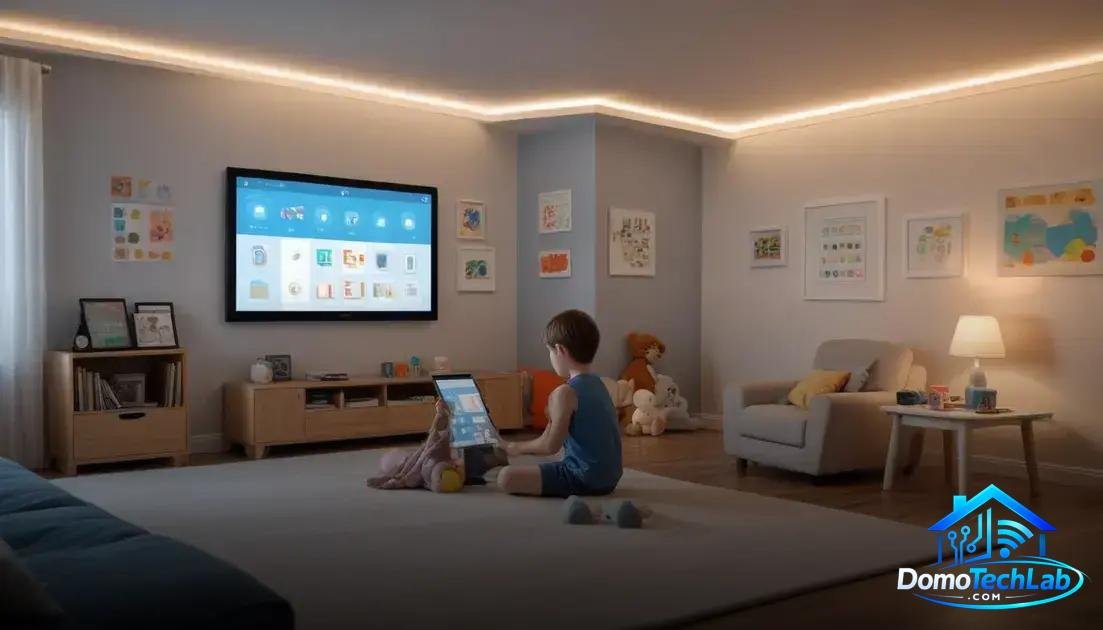
Automation in a smart home can offer multiple benefits for children with autism, helping create a safer and more predictable environment. The implementation of automated systems helps improve quality of life and promotes independence.
Controlled Sensory Stimulation
Devices with local automation allow you to easily adjust lighting, sound, and temperature in a room. For example, by using smart bulbs, you can modify light intensity based on the child’s sensory needs, helping to reduce sensory overload.
Visual Routines and Consistency
Creating visual routines through connected devices facilitates learning and familiarization with daily activities. Automating tasks like turning on lights or playing music at specific times helps establish a sense of routine, which is crucial for many children with autism.
Sound Control and Calm
Controlling the sound environment is vital for maintaining calm at home. By integrating smart speakers with Zigbee systems, you can regulate ambient sound, allowing for a quiet space for the child. Establishing schedules that reduce unexpected noises can create a more relaxed and secure environment.
Conclusion: Optimize Your Home with Local Automation for Better Wellbeing
Adopting local automation solutions is essential to transforming your home into a more accessible and functional space, especially for those who require a controlled environment, such as children with autism. At DomoTechLab, we are committed to providing you with the technical knowledge necessary to implement the best protocols and devices that suit your needs.
We encourage you to keep learning about the possibilities offered by smart home technologies. Take advantage of our guides and comparisons to make informed and efficient decisions that enhance the quality of life in your home.
Frequently Asked Questions about Smart Home and Autism
Are all devices compatible with each other?
Not all devices are compatible due to different protocols. Make sure the selected devices are compatible with the same platform or protocol, such as Zigbee or Matter.
What should I do if I have connection issues?
Check your gateway/hub configuration and ensure that all devices are within range. Consider resetting the devices or updating the firmware.
Can I integrate devices from different brands?
Yes, as long as they use the same protocol. For example, devices that operate with Zigbee can be integrated into the same system, regardless of brand.
How can I ensure the privacy of my data in a smart home?
Implement local automation systems that do not require constant connection to external servers. This reduces your data’s exposure to potential security breaches.
Which devices are easier to set up?
Devices that use intuitive graphical interfaces and offer automatic setup are easier to manage. Smart bulbs and plugs are often accessible options.
How can I improve the stability of my smart home network?
Use a local hub for devices operating with Zigbee or Thread and ensure your Wi-Fi network has sufficient capacity to support other connected devices.