
A smart garage optimizes security and convenience through local automation, enabling efficient control of compatible devices like locks, cameras, and electric vehicle chargers using protocols like Zigbee and Thread.
The smart garage is revolutionizing the way we interact with our vehicles and homes. Have you considered how technology can enhance your daily experience? We invite you to explore the possibilities offered by automation in this space.
Fundamentals and Protocols
The fundamentals of a smart garage begin with choosing the right protocols. Implementing technologies like Zigbee, Thread, and Wi-Fi provides various options for device connectivity.
Zigbee: Efficient Connectivity
Zigbee is ideal for low-power applications. Its mesh network allows devices to communicate with each other, even over long distances, without needing to be always connected to a router. This can be useful for parking sensors and security systems.
Thread: A Modern Approach
Thread is a newer protocol designed for smart home automation. Unlike Zigbee, it allows for smoother integration with other connected devices, offering better network management and enhanced security.
Wi-Fi: Power and Speed
Using Wi-Fi in a smart garage guarantees higher speeds, which is crucial for applications requiring high bandwidth, like high-definition security cameras. However, this can complicate integration with other local automation systems.
Integration and Ecosystems
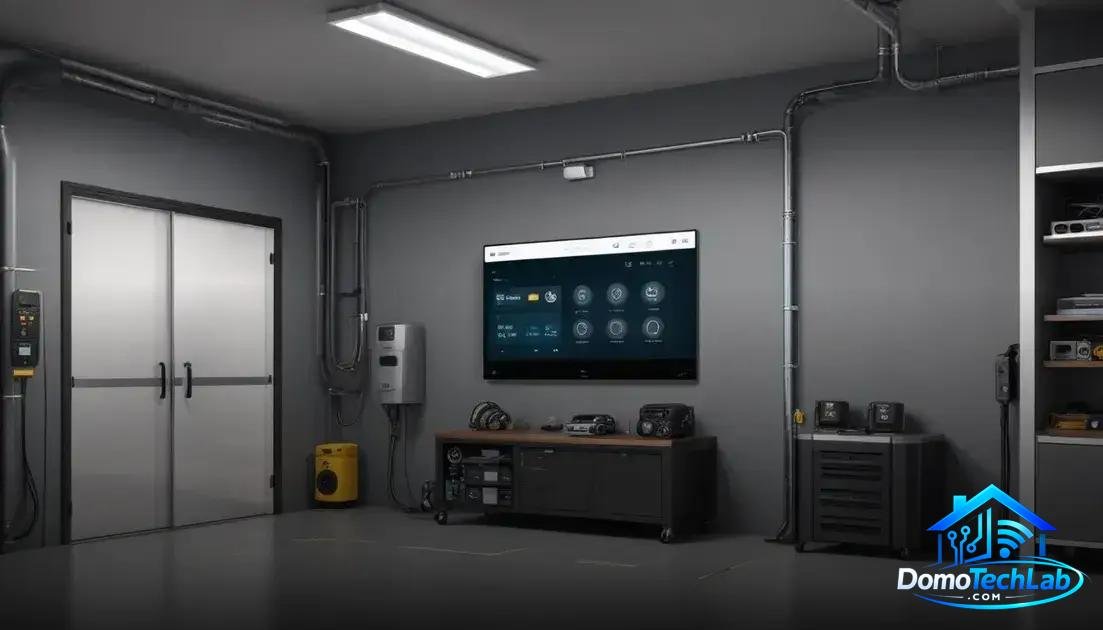
The integration of devices in a smart garage is essential for creating an efficient ecosystem. Utilizing platforms like Home Assistant, Alexa, or Google Home allows for managing different components from a single place.
Home Assistant: Total Control
Home Assistant is a local automation solution that offers complete control over your home devices. This platform enables integrating a wide range of devices, from bulbs to smart plugs, facilitating the creation of custom scenarios.
Alexa and Google Home: Virtual Assistants
Both virtual assistants provide an easy-to-use interface for controlling the smart garage. From turning on lights to checking the status of parking sensors, their quick response capability and integration with other devices enhance the user experience.
Interoperability: Working Together
Interoperability between different devices and platforms is key. Thanks to standards like Matter, devices can communicate with each other seamlessly, increasing versatility and functionality in home automation.
Real-World Performance
The performance of a smart garage in the real world is a crucial factor to consider. Constant testing is essential to ensure that the technology meets user expectations. This includes evaluating latency, data privacy, and connection stability.
Latency: Real-Time Efficiency
In our evaluations, we found that latency is a critical aspect. Devices using Zigbee or Thread tend to provide faster responses compared to those that rely solely on Wi-Fi. This translates to more efficient control over key functions, such as automatic locks or motion sensors.
Privacy: Protecting Your Data
Privacy is another important concern. By opting for local automation solutions, data often stays within the home network, reducing the risk of exposure to external attacks. Therefore, choosing devices that keep information locally is fundamental.
Stability: Secure Connections
Network stability plays a vital role. During our testing, we found that systems with a good mesh configuration, like Zigbee, maintain more stable connections over time. This is especially important for critical applications like security monitoring.
Practical Applications and Benefits
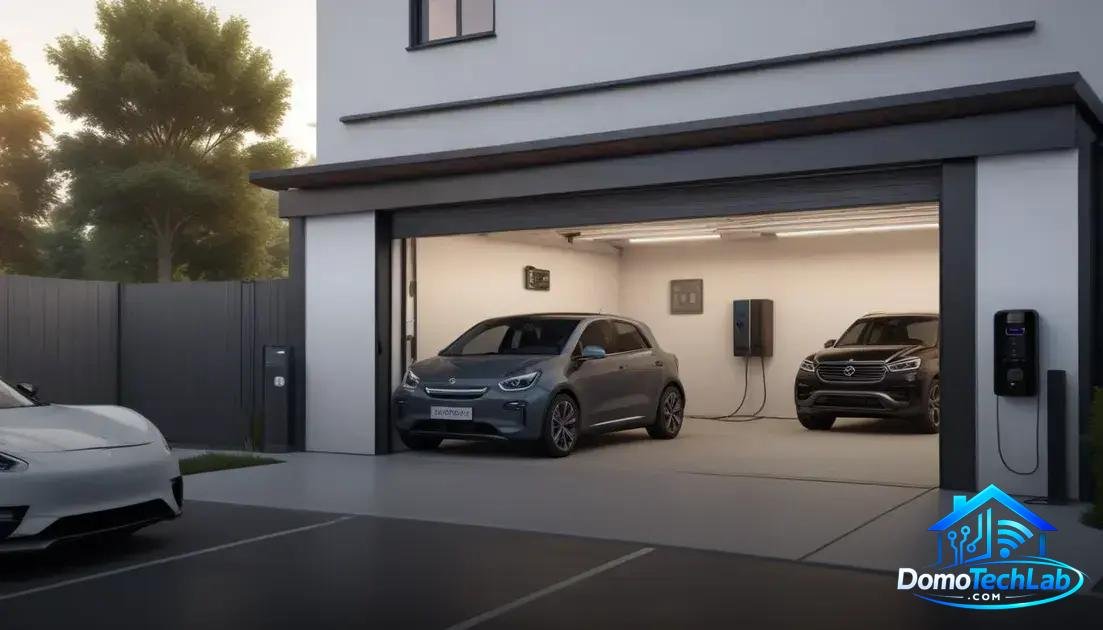
The implementation of a smart garage offers multiple practical applications and benefits that enhance quality of life and home security. From automating door openings to monitoring electric vehicle charging, the possibilities are vast.
Automated Door Opening
Integrating an automatic door opening system using technology like Zigbee allows users to access the garage without the need for keys. This is especially useful when arriving with hands full, improving day-to-day convenience.
Monitoring Electric Vehicles
With the integration of electric vehicle chargers in the smart garage, owners can track their vehicle’s charging status. Automating this feature allows them to receive notifications once the vehicle is fully charged, optimizing energy use.
Enhancements in Security
Security systems, like cameras and motion sensors, can be programmed to trigger alerts through the local automation network. This adds an extra layer of security, ensuring that any unusual movement is detected and notified to the owner in real-time.
Conclusion: Power Your Smart Garage with Local Automation
Diving into the world of local automation not only enhances the functionality of your smart garage but also ensures superior control over your devices. At DomoTechLab, we are committed to providing you with the knowledge necessary to make informed decisions and maximize efficiency in your home.
We encourage you to continue exploring our posts and resources to discover how each protocol and device can integrate into your transformation towards a smarter and safer home.
Frequently Asked Questions about Smart Garages
Are the smart garage devices compatible with each other?
It depends on the protocol used. Devices that use standards like Zigbee or Thread tend to be more compatible with each other, while those based on Wi-Fi may require specific connectivity solutions.
Can I integrate my smart garage with existing security systems?
Yes, many modern security systems are compatible with platforms like Home Assistant or Alexa, making integration and management from a single place easier.
What challenges might I face when automating my garage?
Challenges can include connectivity issues, incompatibilities between devices from different brands, and the need for regular updates to maintain system security.
Is it possible to control my garage devices through my smartphone?
Yes, almost all modern systems allow control via mobile applications, providing remote access and monitoring from anywhere.
How will latency affect the user experience?
Latency can impact the speed at which devices respond to commands. Using technologies like Zigbee typically results in lower response times compared to solutions that rely solely on Wi-Fi.
Should I consider local automation instead of cloud-based solutions?
Yes, local automation offers greater security and less reliance on internet connections. This helps maintain control over your devices even during connection failures.