Local automation in a smart home for musicians, using protocols like Zigbee and Matter, optimizes device control, enhances privacy, and reduces latency, creating an ideal environment for creativity and recording.
The concept of smart home for musicians is transforming the way songs are created and recorded. Through smart technologies, you can optimize both the acoustics and lighting of your studio, making it more functional and inviting. Let’s explore how you can implement these solutions in your creative space.
Fundamentals and Protocols (Zigbee, Matter, Wi-Fi)
The fundamentals of a smart home for musicians are based on the integration of different protocols that allow communication between devices. In this context, Zigbee, Matter, and Wi-Fi play crucial roles. Each protocol has its advantages and disadvantages that are important to consider when setting up a smart home.
Zigbee: efficiency and low power consumption
The Zigbee protocol is known for its low energy consumption and its ability to connect multiple devices through a mesh network. This feature is especially suitable for environments where constant communication between sensors and actuators is required, such as in recording studios with multiple smart plugs and bulbs.
Matter: the future of interoperability
Matter has emerged as a solution for interoperability between different ecosystems. This protocol ensures that devices from different manufacturers can work together seamlessly, facilitating the creation of an integrated automated environment. It is essential for musicians who want to connect various equipment and tools without complications.
Wi-Fi: high speed but higher consumption
The use of Wi-Fi provides high data transfer speeds, allowing for efficient device control. However, power consumption is a factor to consider, and it can cause latency in environments with many connected devices. For a musician, a studio using Wi-Fi needs to optimize its network to avoid interferences and connection drops during critical sessions.
Integration and Ecosystems (Home Assistant, Alexa, Google Home)
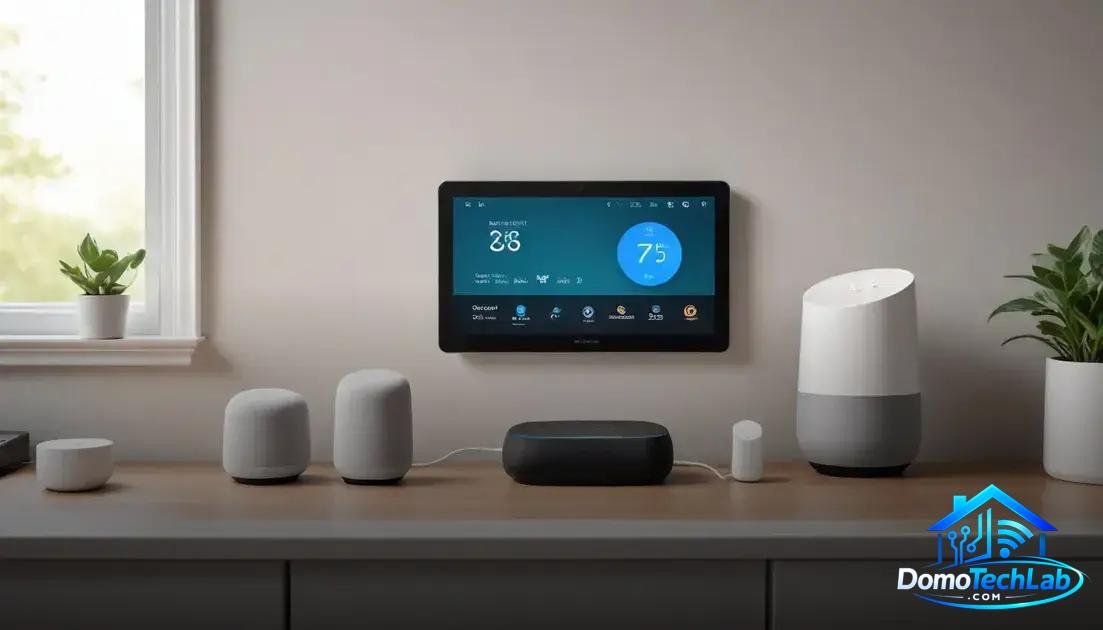
The integration of devices is a fundamental step in creating an efficient smart home system. For musicians, having an ecosystem that works smoothly allows control of lighting and other devices without interrupting the creative process. Tools like Home Assistant, Alexa, and Google Home provide a versatile platform for this integration.
Home Assistant: total control from one place
Home Assistant is a popular choice for those seeking customization and local control. You can integrate numerous devices from different brands and manage them from a single control panel. This is particularly useful for musicians using multiple devices simultaneously, as it allows them to automate tasks such as turning on lights and adjusting sound.
Alexa: voice assistance in the studio
With Alexa, musicians can control their environment through voice commands, making it easier to operate devices without interrupting the workflow. Imagine adjusting the lighting just by saying, “Alexa, dim the lights” while in the middle of a recording session. The compatibility with numerous smart devices also increases versatility during recordings.
Google Home: integration with the Google ecosystem
Google Home allows for seamless integration within the Google ecosystem, meaning access to a variety of services and applications. This can include projections, assistance in searching for information, and device control. For a musician, this can translate into a richer experience where technology complements creativity.
Performance in the Real World (Latency, Privacy, and Local Stability)
The performance of a smart home system in the real world depends on several critical factors such as latency, privacy, and local stability. For musicians seeking a controlled environment, understanding these aspects can make a difference in the quality of their recordings and the efficiency of their workflow.
Latency: the importance of quick response
Latency refers to the delay in a device’s response upon receiving a command. In recording environments, this response time can be crucial. Using devices that operate with Zigbee or are configured for local control helps minimize latency, improving synchronization between different equipment.
Privacy: a fundamental aspect
Privacy is a growing concern when operating smart devices. By using Home Assistant and similar technologies, musicians can have greater control over their data, thus avoiding it being sent to remote servers and keeping their information private. Utilizing local networks ensures that communication between devices remains within the home.
Local stability: the key to a reliable environment
Having a system that operates stably without relying on the internet is essential. Local configurations, which include Matter and specific hubs, allow smart home operations to continue without interruptions. This ensures that, even during critical recording moments, devices respond reliably.
Soundproofing and Automation in Recording Spaces
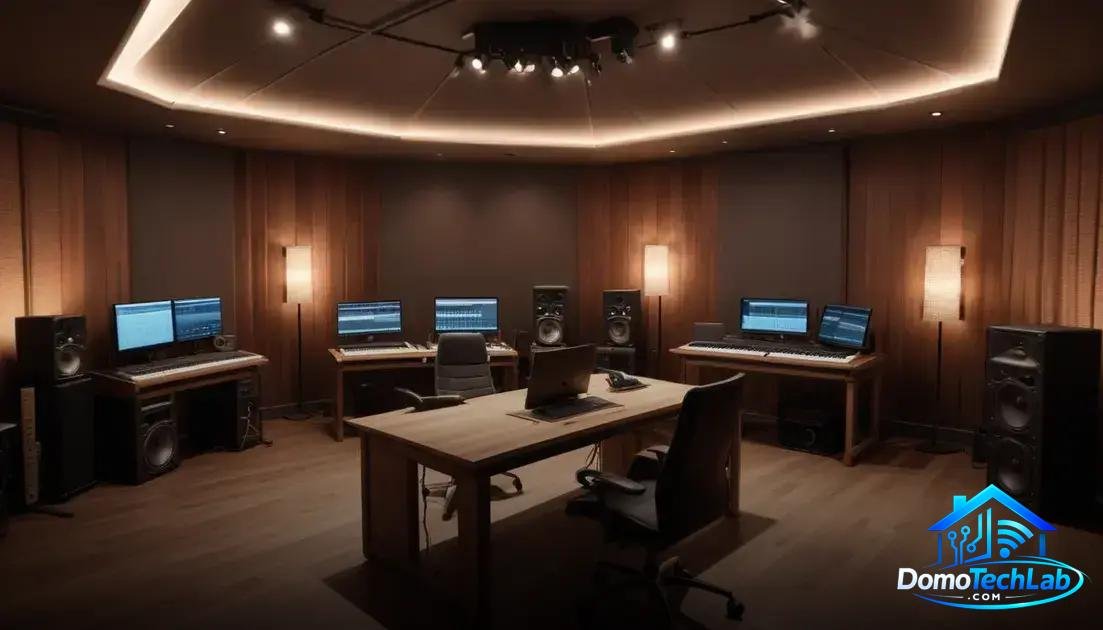
Soundproofing and automation are two key elements for optimizing recording spaces in a smart home. For musicians, creating an environment that minimizes external noise and maximizes control over lighting and other factors is essential for achieving quality recordings.
Soundproofing: creating an ideal acoustic space
Soundproofing involves the use of materials and devices designed to absorb or block sound. Integrating smart bulbs and smart plugs that can adjust automatically can improve the acoustics of a studio. Control systems can be installed to modify the sound environment and avoid external interferences, resulting in cleaner and more professional recordings.
Automation: facilitating control during recordings
Local automation allows musicians to manage various devices from a single place. For example, scheduling lighting to turn on and off or regulating temperature in the studio. Using a system based on Zigbee will ensure that these automations are executed quickly and efficiently, without relying on internet connections, which is critical during a recording session.
Conclusion: Empower Your Smart Home for Musicians with Local Automation
The essence of an efficient creative space lies in local automation. Implementing technologies like Zigbee and Matter not only optimizes the functionality of your smart home but also ensures reliable performance and a seamless experience.
At DomoTechLab, we are committed to providing you with the knowledge necessary to make the most of your smart home. Explore our guides and resources to make informed decisions that enhance your musical and creative environment.
Frequently Asked Questions about Smart Home for Musicians
Are devices from different brands compatible?
Compatibility depends on the protocols. Devices that use Matter generally work well together, but for other protocols like Zigbee, it’s important to check compatibility before purchase.
Can I use multiple hubs in my smart home?
Yes, but care should be taken with redundancy. Using multiple hubs operating on different protocols can complicate the setup. It is recommended to harmonize the use of devices under the same ecosystem whenever possible.
How do interferences affect my smart home network?
Interferences can cause delays and failures in communication between devices. Using Zigbee devices that operate on less congested bands can mitigate this issue and ensure smoother operation.
Is it possible to automate lighting in the studio?
Yes, you can automate lighting using smart bulbs and smart plugs. Set up scenes for different tasks, such as recording or rehearsing, to improve your workflow.
What should I do if I’m experiencing latency issues?
Check the network connections and consider using devices that operate in local mode. Using a hub that works with Zigbee can help reduce latency in device response.
How can I ensure my data privacy?
Choose a system that allows local control, such as Home Assistant. This prevents your data from being sent to the cloud, thus maintaining a higher level of privacy in managing your smart home.