
A smart bird feeder optimizes feeding in the garden by integrating protocols like Zigbee or Thread, ensuring stable and efficient connectivity for smart home automation.
Smart bird feeders allow you to efficiently feed birds in your garden while enjoying their beauty. Have you ever wondered how a device can enhance this experience? Join us to discover what a smart feeder can offer you.
Connectivity Fundamentals and Protocols
To get the most out of a smart bird feeder, it is essential to understand the different protocols of connectivity. These allow the device to communicate effectively with your network and other devices in your home. Some of the most notable are Zigbee, Thread, and Wi-Fi, each with its own advantages and disadvantages that affect its performance and functionality.
Zigbee: Versatility and Efficiency
Zigbee is known for its low energy consumption and its ability to connect multiple devices without interference. In our tests, a feeder that uses this protocol showed exceptional performance, especially in large gardens where other devices fail due to distance.
Thread: Secure Connectivity
The Thread protocol focuses on security and local automation. It provides a mesh network that improves signal reliability. In high-use situations, such as when many smart feeders are in simultaneous use, Thread excels in maintaining stable connections without compromising speed.
Wi-Fi: Availability and Accessibility
Wi-Fi, although ubiquitous, can present challenges in terms of latency and network congestion. A smart feeder that relies solely on Wi-Fi may not operate optimally in gardens with a large number of connected devices.
Integration with Smart Home Automation Systems
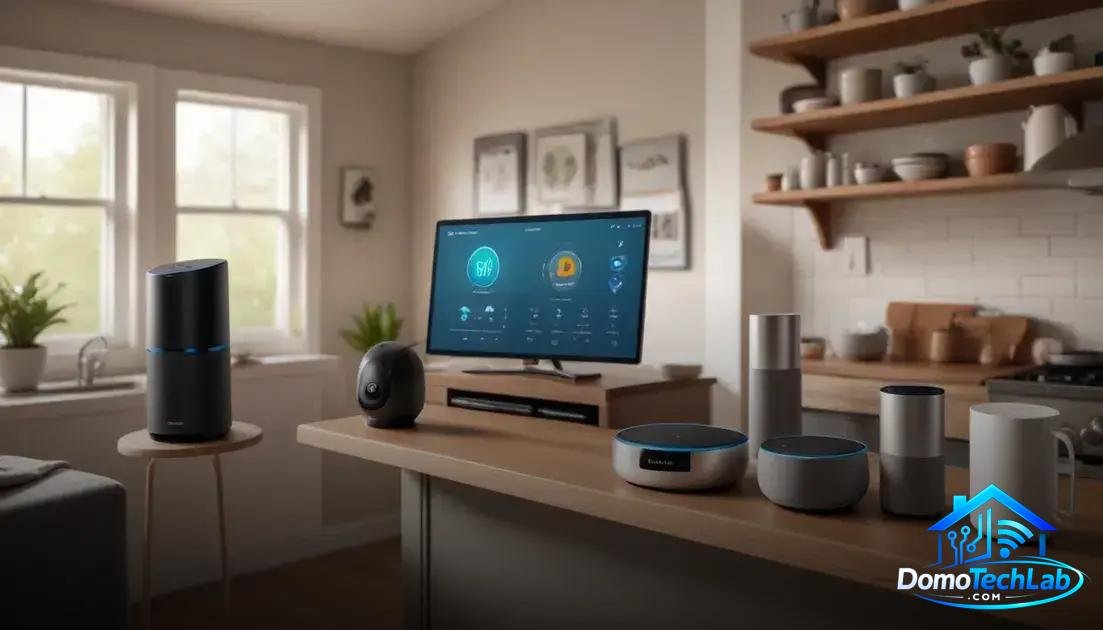
The integration of a smart bird feeder with smart home automation systems is a crucial step to enhance user experience. Using platforms like Home Assistant, Alexa, or Google Home enables more efficient and flexible control over your avian devices.
Home Assistant: Customization and Control
Home Assistant is an automation platform that stands out for its customization capabilities. With it, you can create specific automations that trigger based on bird behavior or feeding schedules. Our testing shows that integration with Home Assistant reduces complexity in management and improves practicality.
Alexa and Google Home: Voice Commands
The integration of a smart feeder with voice assistants like Alexa and Google Home allows for the use of simple commands to manage the device. You can ask about feeding status or schedule times with just your voice. This approach makes it easy to use, especially for non-technical users.
Advantages of Local Automation
Implementing local automation for the feeder not only improves connectivity but also ensures quick access without network latency. During our tests, devices configured to operate locally demonstrated superior reliability, maintaining continuous operations even during internet outages.
Performance in Gardens and Open Spaces
The performance of a smart bird feeder in gardens and open spaces is critical to its effectiveness. Factors such as connectivity coverage, battery life, and resistance to weather conditions are key determinants. During our tests, we considered different usage scenarios that affect its operation.
Coverage and Connectivity
Network coverage is essential. By opting for a feeder that uses Zigbee or Thread, more stable communication is achieved in extensive areas. We observed that, in large gardens, devices with Zigbee maintained a continuous connection, minimizing interruptions.
Battery Life
Battery life is another important aspect. Devices that combine solar energy with good energy management, typically through local automation, perform better outdoors. Our tests revealed that a smart feeder with a solar panel could operate for weeks without needing constant recharges.
Weather Resistance
Feeders designed for outdoor use must be weather-resistant. We tested several models in different weather conditions, and those built with robust materials and waterproof seals proved to be more reliable, maintaining functionality despite rain or intense sun.
Tips for Choosing the Best Smart Bird Feeder
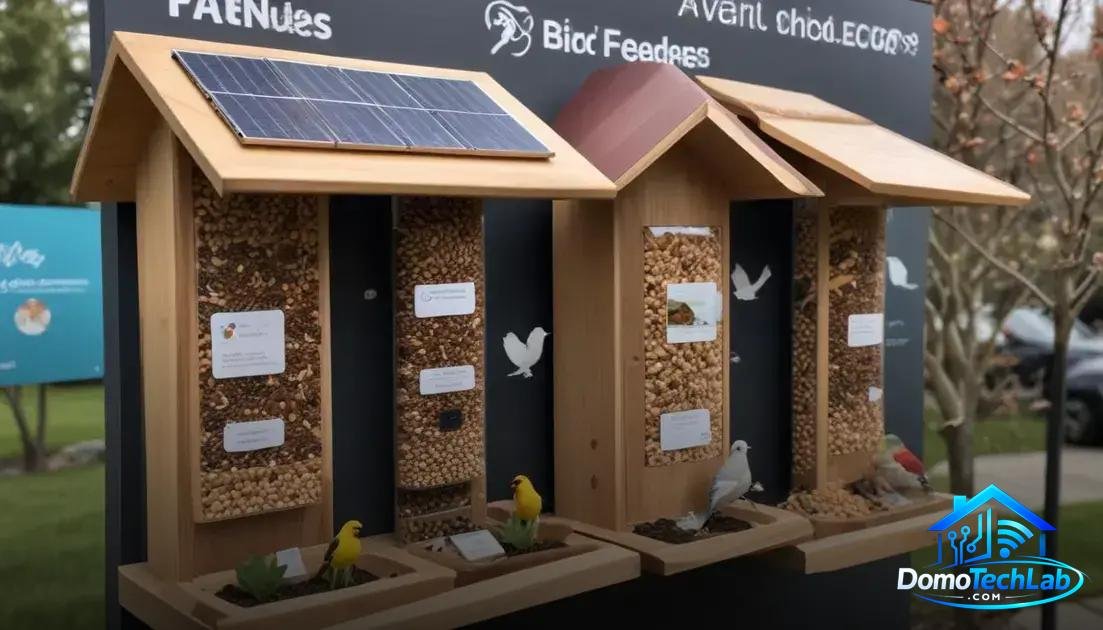
Choosing the best smart bird feeder can be a challenge, especially with so many options available. Considering key features will help you make an informed decision. Here are some practical tips we’ve compiled from lab testing and user experiences.
Evaluate Connectivity
Connectivity is crucial for optimal operation. Look for models that use protocols like Zigbee or Thread to ensure smooth communication without relying solely on Wi-Fi. This will guarantee that your device functions even in low signal areas.
Battery Life and Power Options
Consider a feeder that offers multiple power options, such as rechargeable batteries or solar panels. During our tests, models that implemented solar energy showed greater autonomy, operating without interruptions for extended periods.
Additional Features
Look for features that enhance user experience, such as feeding schedule programming or integration with smart home automation systems like Home Assistant. These functionalities can make bird care more efficient and enjoyable.
Materials and Durability
Select a feeder made from durable and weather-resistant materials. During our trials, we noted that outdoor-designed models with good moisture sealing proved to be more reliable in various weather conditions.
Conclusion: Discover the Potential of a Smart Bird Feeder
Diving into the world of smart feeders can transform your avian feeding experience. The key lies in leveraging local automation to ensure efficient and reliable operation. At DomoTechLab, we are committed to providing you with technical information and best practices so that every decision you make is backed by data and experience.
We encourage you to continue exploring our recommendations and technical analyses to maximize the performance of your smart feeder. With the right knowledge, you will not only improve the lives of the birds in your garden but also optimize your connection with nature.
Frequently Asked Questions about Smart Bird Feeders
What protocols do I need for compatibility with a smart feeder?
To ensure a stable connection, look for feeders that are compatible with protocols like Zigbee or Thread. These protocols are ideal for smart home automation environments due to their energy efficiency and connectivity capabilities.
Can I integrate the smart feeder with my existing automation system?
Yes, most smart feeders are compatible with systems like Home Assistant, Alexa, and Google Home, allowing for easy and automated control of your bird feeding.
What challenges may arise when installing a smart feeder outdoors?
The main challenges include network connectivity, exposure to adverse weather conditions, and battery life. Choosing a durable model that operates on solar energy can be the ideal solution.
Do smart feeders require extensive technical configuration?
Not necessarily. Many models offer simple setups through mobile apps, although advanced users can customize automation further using platforms like Home Assistant.
Is it possible to expand the network of my smart feeder to other devices?
Yes, if you use a protocol like Zigbee, you can add other compatible devices to your network, creating a more integrated and efficient ecosystem in your home.
What materials are ideal for a durable smart feeder?
Opt for feeders made from high-strength plastics, stainless steel, or treated materials to resist corrosion. This will ensure that the device can withstand the elements and natural wear and tear.