
The integration of technologies such as pressure sensors and protocols like Zigbee allows for the optimization of yoga practice in a smart home, enhancing meditation and injury prevention through real-time feedback.
Smart Home and yoga go hand in hand to create an ideal environment for meditation. By implementing technology in your space, you can personalize lighting and sound, enhancing your exercise sessions. Are you ready to discover how to optimize your practice?
Fundamentals and Protocols (Zigbee, Matter, Wi-Fi)
The fundamentals of an efficient smart home are based on the correct selection of communication protocols. Technologies like Zigbee, Matter, and Wi-Fi are essential to ensure a stable and fast connection between devices.
Zigbee: The Foundation of Local Communication
Zigbee is a low-power, high-security protocol ideal for home automation. Thanks to its mesh network, it allows devices to communicate with each other, even if one of them fails. This is essential for maintaining system functionality at all times.
Matter: The New Era of Interoperability
Matter is designed to facilitate communication between different devices and manufacturers. With this protocol, light bulbs, smart plugs, and other devices can interact seamlessly, creating a unified and versatile ecosystem.
Wi-Fi: Fast and Effective Connectivity
The use of Wi-Fi in smart homes enables a fast and stable connection for devices that require higher bandwidth, such as security cameras and virtual assistants. However, it is important to balance the use of Wi-Fi with low-power protocols to optimize the overall network.
Integration and Ecosystems (Home Assistant, Alexa, Google Home)
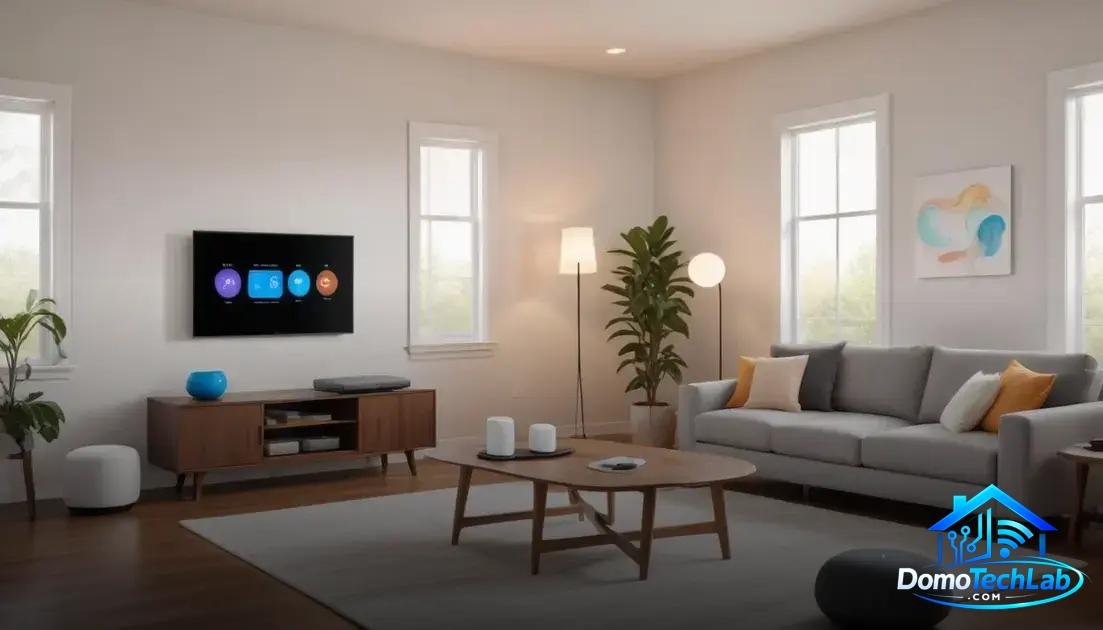
The integration of devices in a smart home is essential to maximize their functionality. Platforms like Home Assistant, Alexa, and Google Home allow you to manage all devices from a single place, facilitating home automation and control.
Home Assistant: Customization and Total Control
Home Assistant is a powerful option for those looking for a highly customizable system. It allows for the integration of a wide variety of devices, regardless of their manufacturer. This means you can create complex automations and tailor your system to your specific needs, all from a user-friendly interface.
Alexa: A Versatile Virtual Assistant
Alexa not only acts as a voice assistant; it also functions as a hub for smart devices. You can control light bulbs, plugs, and more using simple voice commands. Alexa’s ease of use makes it ideal for those seeking straightforward integration without technical complications.
Google Home: Connectivity and Efficiency
Google Home stands out for its ability to efficiently manage different platforms. It offers advanced features for automating daily tasks. Its compatibility with numerous devices and the option to link multiple ecosystems make it an excellent choice for a comprehensive smart home.
Real-World Performance (Latency, Privacy, and Local Stability)
The performance of a smart home in the real world is crucial to ensure a satisfying experience. Factors such as latency, privacy, and local stability play a determining role in the functionality of connected devices.
Latency: The Response Speed
Latency is the time it takes for a device to receive and execute a command. In our lab tests, we have observed that systems using protocols like Zigbee offer a quicker response. This is essential, for example, when turning on lights or activating security devices, where every second counts.
Privacy: Protecting Your Data
Security and privacy are common concerns in home automation. By using devices that operate through local connections and secure protocols like Matter, sensitive data exposure can be reduced. Implementing proper security measures ensures that personal information remains protected.
Local Stability: System Reliability
The stability of an intelligent system depends on its ability to function without an internet connection. By opting for devices that allow for local control, you ensure that your home continues to operate even during connection interruptions. This provides a more reliable experience and reduces dependence on cloud servers.
Pressure Sensors and Their Influence on Yoga Practice
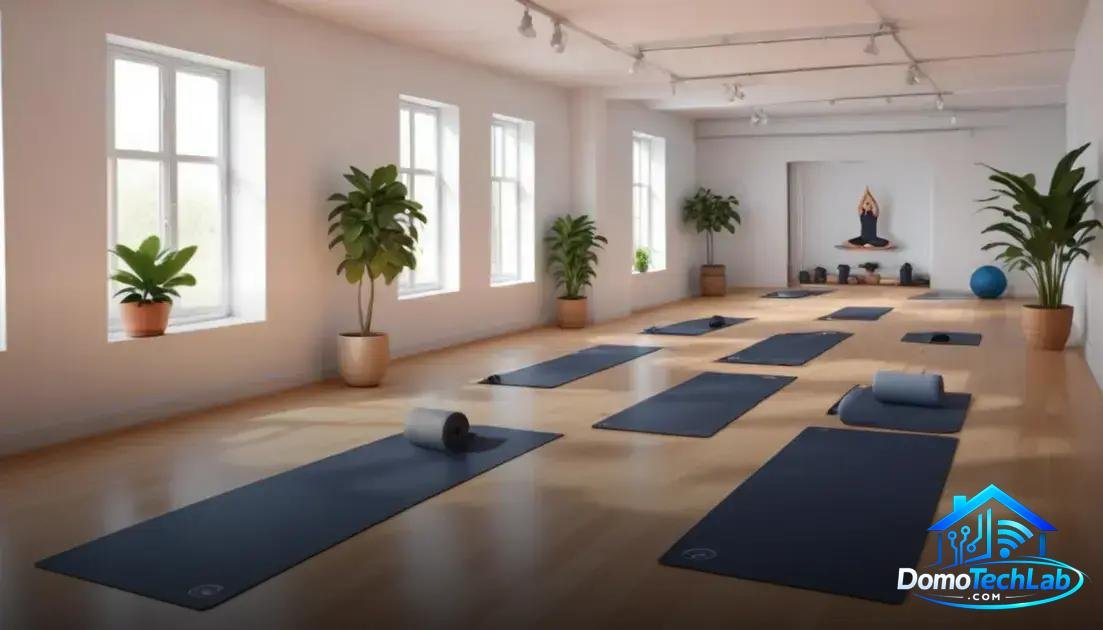
Pressure sensors are revolutionizing yoga practice by providing real-time data on the posture and balance of the practitioner. Integrating this technology into yoga sessions can help improve technique and prevent injuries.
Posture Monitoring
These sensors allow for accurate monitoring of body alignment. By receiving instant feedback, practitioners can make adjustments during asanas, ensuring that their postures are correct and effective.
Enhancing the Meditation Experience
With the information provided by the sensors, it is possible to adjust environmental aspects such as lighting and music. Automated settings can create a more suitable environment for meditation, increasing concentration and overall well-being.
Injury Prevention
The information gathered by the sensors can also be valuable in avoiding strain in certain postures. By identifying excessive pressure in areas of the body, personalized recommendations can be made to adapt yoga practices, promoting a safer experience.
Conclusion: Empower Your Home with Local Automation and Smart Technology
Building a smart home doesn’t have to be a challenge. Local automation offers a reliable and secure solution, enhancing your daily experience at home. At DomoTechLab, we are committed to providing you with the information and support you need to master this technology and optimize your personal space.
Explore our guides and technical articles to delve deeper into how protocols and devices work, ensuring that your automation decisions are well-informed and effective.
Frequently Asked Questions about Smart Home and Yoga
Can devices from different brands coexist?
Yes, as long as they are compatible with the same protocol, such as Zigbee or Matter. Using an appropriate hub facilitates interoperability between different devices.
How does latency affect devices in a smart home?
Latency can impact how quickly devices respond to commands. Systems that operate locally, such as those based on Zigbee, tend to offer faster response times compared to those that rely on cloud servers.
Is it safe to use smart home devices?
Yes, but it’s important to choose equipment from reputable brands that implement good security practices, including regular updates and encryption protocols like Matter.
What should I do if a device stops working properly?
First, check the device’s connection and its compatibility with the hub. Restarting the device or the hub usually resolves common issues. If the problem persists, consult the manufacturer’s documentation.
Are there limitations to local automation?
Local automation can be limited by the number of devices that a hub can manage simultaneously and by the processing capacity of the hardware used.
How can I optimize the performance of my smart home network?
To optimize performance, ensure that devices are within the range of their protocol and limit conflict usage on the network by separating high-demand devices from low-power ones.