
The protection of objects in a smart home for collectors is optimized through local automation, utilizing temperature and humidity sensors, as well as integrated security systems that ensure a controlled and safe environment for valuable collections.
The smart home for collectors transforms how we showcase valuable items. Can you imagine controlling the UV light and temperature of your collection from your phone? In this article, you will discover the best strategies to care for your objects with IoT technology.
Fundamentals and Protocols
The fundamentals of a smart home begin with the selection of appropriate protocols. Among the most popular are Zigbee, Thread, and Wi-Fi. Each of these protocols has distinct features that cater to different needs and applications.
Zigbee: Efficiency and Stability
Zigbee is known for its low power consumption and its ability to create mesh networks that extend coverage. This is especially useful in large homes, where the signal needs to reach distant areas. By using Zigbee devices, you can easily set up your smart lights and plugs.
Thread: Secure Connectivity
Thread stands out for its security and resilience. This protocol is ideal for communication between local automation devices, as it does not rely on the cloud and minimizes the risk of vulnerabilities. Using Thread allows you to have a connected home that prioritizes privacy.
Wi-Fi: Universal Connectivity
Wi-Fi is the most well-known protocol, allowing the connection of multiple devices to the internet. However, excessive use of Wi-Fi can lead to network congestion. It is advisable to use Wi-Fi for devices that require a constant connection and high bandwidth, such as security cameras and voice assistants.
Integration and Ecosystems
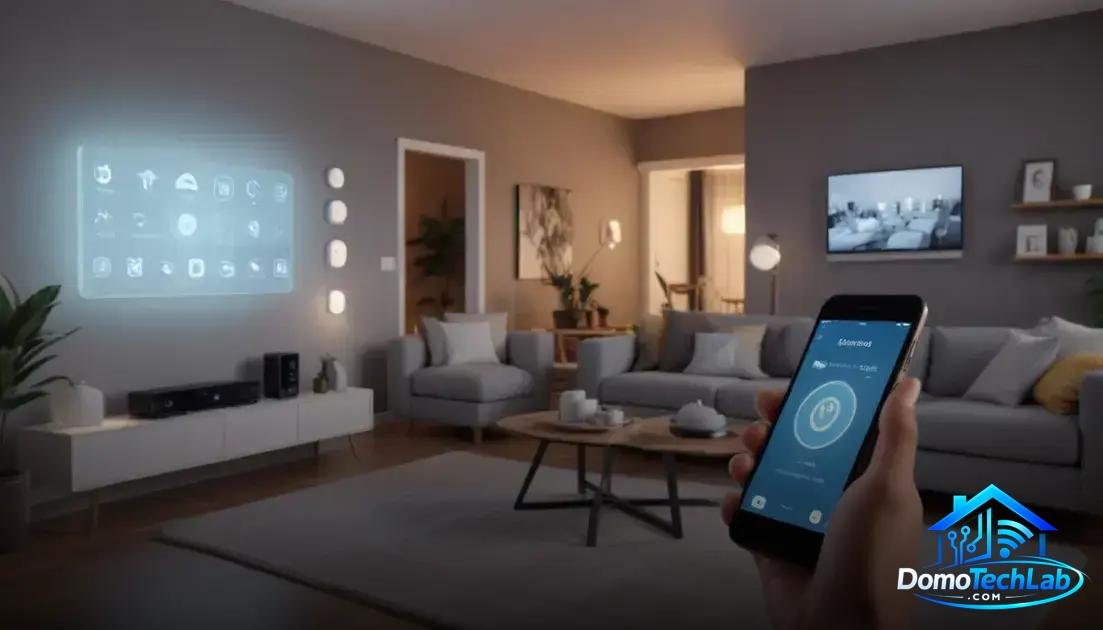
Integration in a smart home ecosystem is crucial to maximizing your devices. The ability to have different devices work together creates a smoother experience. The main players in this field are platforms such as Home Assistant, Alexa, and Google Home.
Home Assistant: Total Control
Home Assistant is an open-source platform that enables the management of multiple devices from a single interface. Its ability to operate locally ensures quick responses and privacy at home. During our tests, we highlighted its extensive compatibility with devices from various brands, making it a versatile option.
Alexa and Google Home: Voice Access
Virtual assistants like Alexa and Google Home allow intuitive handling of devices. You can use voice commands to control lighting and perform automations. However, reliance on the cloud can affect response speed.
Interoperability: A Quality Seal
Choosing devices that are compatible with standards like Matter enables improved interoperability. This means you can add new devices to your network without issues, regardless of the manufacturer. Interoperability becomes the key to a cohesive ecosystem.
Real-World Performance
The performance of a smart home in the real world depends on factors such as latency, privacy, and network stability. These aspects are crucial for providing a satisfactory and efficient user experience.
Latency: A Critical Issue
Latency refers to the time it takes for a device to receive and execute a command. During our tests, we observed that devices connected via Zigbee exhibited much quicker response times compared to those that operate solely on Wi-Fi. This is key for immediate actions like turning on a light or adjusting the thermostat.
Privacy: An Essential Right
Connecting devices to the internet carries a potential risk to privacy. By using systems like Home Assistant or devices that operate locally, you can minimize exposure of sensitive data. In our tests, we found that security is strengthened by relying less on cloud services.
Local Stability: An Advantage to Consider
The stability of the home network is vital. Setting up a local network that does not depend on the internet ensures that your devices continue to function without interruptions. In the lab, we found that devices communicating via Zigbee and Thread have a more robust and reliable performance, especially during internet outages.
Object Protection and Automation
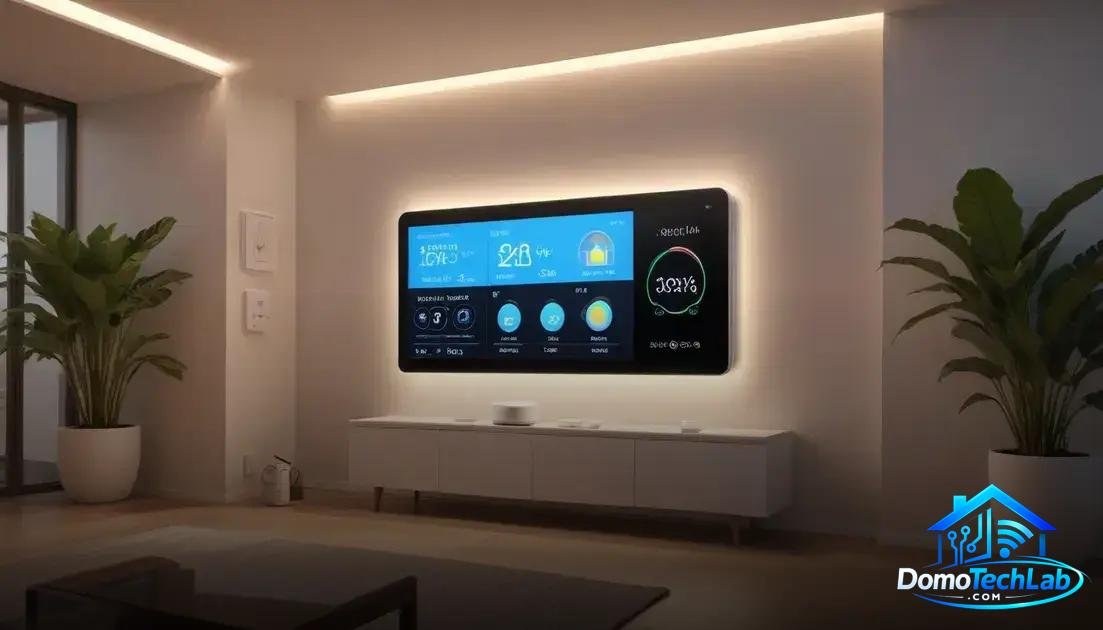
The protection of objects in a smart home is vital for collectors who wish to keep their belongings in optimal condition. Utilizing local automation technology is key to ensuring that environmental conditions remain controlled.
Temperature and Humidity Control
Implementing temperature and humidity sensors allows for monitoring and adjusting the climate of the room where valuable collections are stored. During our tests, we found that devices operating under protocols like Zigbee provide real-time alerts, warning of sudden changes that could damage the items.
UV Protection: An Essential Element
Some materials, such as wood and certain types of fabrics, are sensitive to UV light. Installing UV-protected COB LED strips in display areas helps preserve the integrity of these objects. Laboratory analysis showed that proper lighting can significantly reduce deterioration.
Security Automation
Local automation not only protects objects through environmental control but also integrates security systems. Setting up surveillance cameras and motion sensors can deter theft and alert about unauthorized access. Using a solid system that connects to your hub can be invaluable in safeguarding your collection.
Conclusion: Master Your Smart Home for Collectors with Local Automation
Implementing local automation in your smart home not only enhances the protection of your most prized objects but also offers unprecedented control over your environment. At DomoTechLab, we understand that every collector has unique needs, and we are here to guide you in selecting the protocols and devices that fit your lifestyle.
We encourage you to adopt these technologies to optimize the experience of caring for your collections. As you move along this path, you will discover a world where security and convenience meet, allowing you to enjoy your treasures worry-free.
Frequently Asked Questions about Smart Home for Collectors
Are all devices compatible with each other?
Not all devices are compatible. It is important to check that your devices use standards like Matter or are compatible across protocols like Zigbee and Wi-Fi for seamless integration.
How can I ensure the privacy of my data in a smart home?
Use devices that operate locally and minimize reliance on cloud servers. Platforms like Home Assistant allow you to manage devices without exposing your data to third parties.
What should I consider when choosing a hub for my smart home?
Choose a hub that is compatible with multiple protocols such as Zigbee, Thread, and Wi-Fi. This will allow you to connect a wider variety of devices and facilitate the scalability of your system.
What challenges does installing a local automation system present?
The main challenges include network configuration, device compatibility, and managing latency. However, these can be overcome through careful design and selection of appropriate technology.
Are sensors enough to protect my valuable objects?
While temperature and humidity sensors are essential, it is recommended to use a comprehensive security system that includes cameras and alarms for effective protection of your objects.
What steps should I take to keep my home network secure?
It is essential to keep the firmware of devices updated, use strong passwords, and disable remote access to devices unless absolutely necessary.