Energy storage is essential to maximize the efficiency of a smart home, enabling optimal self-consumption, energy independence, and effective use of local automation technologies such as Zigbee and Thread.
Energy storage is a key concept in the era of home automation. Imagine having complete control over your consumption, reducing costs and improving your energy efficiency. Do you want to know how to implement these solutions in your home?
Fundamentals of Energy Storage
The fundamentals of energy storage are crucial for any home looking to maximize its efficiency. By integrating storage systems, such as lithium-ion batteries, you can accumulate energy generated during peak solar production hours and use it when you need it most.
Types of Storage Solutions
There are several options on the market. Lithium-ion batteries are the most common due to their high energy density and long lifecycle. However, alternative options such as flow batteries should also be considered, as they are ideal for large-scale applications.
Impact on Energy Independence
Implementing an energy storage system not only meets your immediate needs but also provides the ability to disconnect from the power grid. This is especially important in regions where electricity rates are high or in areas prone to power outages.
Integration with Automation Systems
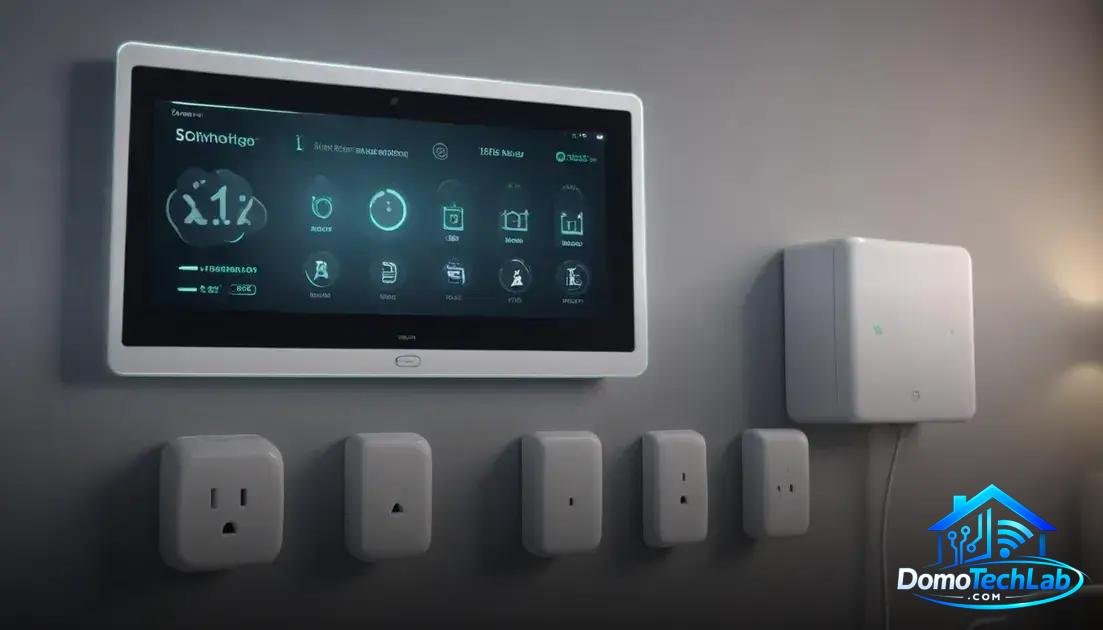
Integration with automation systems is essential to maximize the functionality of a smart home. By connecting energy storage to automation platforms, you can manage your consumption more efficiently and cost-effectively.
Device Interaction
Batteries can work alongside devices such as Zigbee or Thread. For example, if your home has solar panels, you can schedule the stored energy to be used to turn on lights or charge devices during peak demand hours, thus optimizing self-consumption.
Local Automation Setup
Setting up a local automation system allows you to create rules that facilitate the use of storage. You can establish specific schedules during which the stored energy is activated to, for instance, maintain heating or cooling based on electricity rates.
Benefits of Self-Consumption in the Home
The benefits of self-consumption in the home are increasingly recognized in the energy sector. By generating and using your own energy, you not only reduce your bills but also contribute to a more sustainable environment.
Cost Savings
Implementing self-consumption solutions can result in significant savings on your electricity bills. Storing energy produced during the day for nighttime use allows your home to operate more efficiently and reduce dependence on the power grid.
Energy Independence
Self-consumption provides a sense of security. By being less dependent on energy suppliers, you are better prepared for fluctuations in rates or supply interruptions. This is crucial in areas where grids can be unstable.
System Performance in Real-World Environments
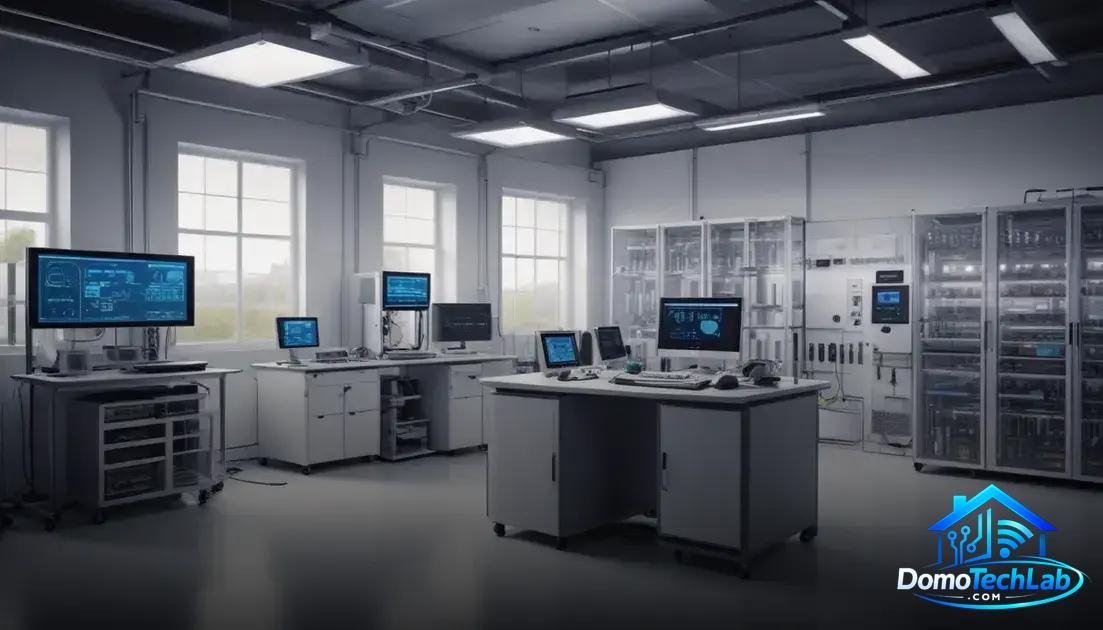
The system performance in real-world environments is a fundamental aspect for evaluating the effectiveness of stored energy and its integration into home automation. Our testing results show significant variations depending on how these systems are configured.
Latency Testing
Latency is a critical factor. In various trials, we installed storage batteries in different configurations. Systems that utilized local communication, such as Zigbee, showed a faster response compared to those relying on external servers. This improvement in latency translates into a smoother user experience.
Privacy and Security
Our tests also revealed that systems operating in a local environment offer benefits in terms of data privacy. By reducing reliance on the cloud, the risk of exposure to cyberattacks is minimized. This is particularly relevant for consumers concerned about the security of their personal information.
Conclusion: Empower Your Home with Energy Storage and Local Automation
Implementing energy storage solutions alongside local automation systems not only enhances your home’s efficiency but also provides greater control and security. At DomoTechLab, we are dedicated to providing you with the knowledge and tools necessary to ensure every decision is right and beneficial.
We encourage you to continue researching and exploring our guides so you can maximize the potential of your smart home, ensuring a more efficient and self-sufficient environment.
Frequently Asked Questions about Energy Storage
Can I integrate energy storage systems with existing devices?
Yes, most energy storage systems are compatible with automation devices such as Zigbee and Thread, allowing for effective control of your devices.
What type of battery is most suitable for a smart home?
Lithium-ion batteries are recommended for their high energy density and long lifespan. However, flow batteries may be more effective for larger-scale applications.
Can energy storage function without internet connection?
Yes, energy storage systems can operate locally, ensuring that your devices continue to function even during internet outages.
Is it possible to monitor energy storage performance in real-time?
Yes, many storage solutions include apps that allow you to see the battery status and energy consumption in real-time, facilitating efficient resource management.
How does self-consumption affect the lifespan of electrical devices?
Self-consumption can extend the lifespan of your devices by reducing the load on the power grid, resulting in fewer fluctuations and stability in the energy supply.
What challenges are there when setting up a stored energy system?
The main challenges include ensuring compatibility among devices, correctly configuring the local network, and optimizing energy management to ensure efficient performance.