
An eco-friendly smart home optimizes resource consumption through local automation and the use of protocols like Zigbee and Thread, enhancing energy efficiency, data privacy, and integration of diverse devices.
The eco-friendly smart home not only boosts comfort but also promotes a sustainable lifestyle. Did you know that with automation you can facilitate composting and reduce waste in your home? Today we will explore how to implement these solutions that will help you care for the environment.
Fundamentals and Protocols
The fundamentals of an eco-friendly smart home begin with choosing the right protocols. Devices that operate with Zigbee or Thread are ideal due to their low energy consumption and efficient connectivity. These protocols enable the interconnection of devices from different manufacturers, ensuring an integrated ecosystem that maximizes resource savings.
Communication Protocols
At the Lab, we have analyzed various options. Zigbee is known for its energy efficiency, while Thread provides a robust mesh network. Both protocols are essential to ensure communication between devices over long distances without losing signal quality.
Local Automation
Local automation is a key component. With a compatible hub, you can run automations without relying on the cloud. This reduces latency and improves privacy, allowing you to control devices such as smart plugs and light bulbs from your local network.
Integration and Ecosystems
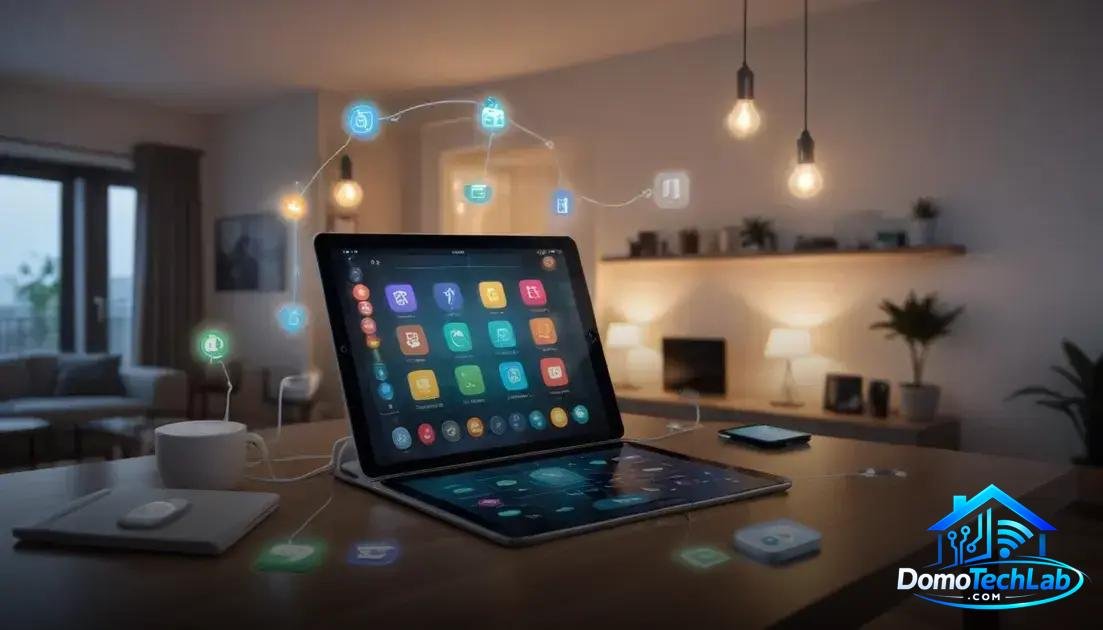
The integration of devices in an eco-friendly smart home is crucial for achieving an efficient ecosystem. Using platforms like Home Assistant allows for centralized control of your devices. This facilitates interaction between different brands and protocols, optimizing energy and resource management.
Device Compatibility
In our tests, we observed that devices using Zigbee and Thread offer greater compatibility. For example, you can manage smart plugs and light bulbs from different manufacturers using a single application, simplifying the user experience.
Seamless Automation
Automation also plays a vital role. In the lab, we implemented scenes that allow users to schedule the turning on and off of lights, as well as adjust the temperature, all from their smartphone. This not only enhances comfort but also reduces energy consumption.
Real-World Performance
The real-world performance of an eco-friendly smart home is measured through practicality and efficiency. Tests conducted in controlled environments show that latency in devices connected to Zigbee is notably low, allowing for rapid responses in automations.
Latency and Energy Efficiency
In our experiments, we found that devices operating with Thread not only maintain stable connections but also optimize energy consumption. This results in significant savings on the electricity bill, as devices only consume power when activated.
Data Privacy
Security is fundamental. By using a local hub, the exposure of personal data is reduced. During our tests, the implementation of local protocols proved effective in protecting information, avoiding cloud storage, which contributes to greater peace of mind for users.
Advantages of the Eco-Friendly Smart Home
The advantages of the eco-friendly smart home are numerous and impact both energy efficiency and user well-being. Implementing automation solutions allows for optimized resource use and reduced environmental impact.
Resource Savings
The use of devices that operate with Zigbee and Thread provides the opportunity to manage energy consumption more effectively. For example, smart plugs allow for scheduling specific times to turn off devices in idle mode, contributing to considerable savings on the electricity bill.
Comfort and Personalization
Automation systems allow for creating an environment tailored to the user’s preferences. You can automatically adjust lighting and temperature according to the time of day. This level of personalization not only enhances comfort but also promotes a more sustainable lifestyle.
Conclusion: Move Towards an Efficient Eco-Friendly Smart Home
The transition to an eco-friendly smart home not only optimizes resource consumption but also provides essential local control for privacy and efficiency. At DomoTechLab, we understand the importance of establishing a robust system that operates smoothly and effectively.
We encourage you to continue researching local automation, protocols like Zigbee and Thread, and to implement devices that will enhance your quality of life and sustainability at home. Every step towards greater automation means a smarter and more conscientious future.
Frequently Asked Questions about the Eco-Friendly Smart Home
Which communication protocols are compatible with each other?
Protocols like Zigbee and Thread are compatible with many current devices. However, it is important to check the documentation for each product to ensure interoperability.
How can I improve the connection of my devices in a smart home network?
To improve the connection, consider using a hub that supports multiple protocols and place devices strategically to maximize signal coverage.
Is it possible to integrate devices from different brands?
Yes, by using platforms like Home Assistant, you can integrate devices from different brands, as long as they are compatible with the same communication protocol.
What challenges might I face when implementing an eco-friendly smart home?
Common challenges include compatibility between devices, the initial setup of the network, and managing firmware updates. Evaluating each device before purchase can help minimize these issues.
How does latency affect the user experience in a smart home?
High latency can cause delays in the responses of automated devices. Using local protocols like Zigbee can reduce this wait time and improve user interaction.
Do I need a security plan for my smart devices?
Yes, it is advisable to implement a security plan, including setting up separate networks for smart devices and regularly updating passwords and firmware.