
Smart walls represent an innovative solution for home automation, combining integration technologies such as Zigbee and Matter, offering modern aesthetics, local control, and a personalized experience without compromising privacy.
Smart walls are revolutionizing the way we inhabit our homes. Imagine controlling lights, temperature, and security from the wall itself. Would you like to learn more about their benefits and how they can be integrated into your home?
Fundamentals and Protocols (Zigbee, Matter, Wi-Fi)
To build an efficient smart wall, it is essential to understand the protocols that enable communication between devices. The most relevant ones are Zigbee, Matter, and Wi-Fi, each with its advantages and limitations.
Zigbee: Low Power Connection
Zigbee is a communication protocol designed for home automation applications. Its main advantage is low energy consumption, making it ideal for battery-operated devices, such as sensors and smart plugs. In our testing, we found that Zigbee devices provide reliable connectivity over long distances by creating a mesh that extends their range.
Matter: Interoperability
With a focus on interoperability, Matter promises to effectively connect various devices regardless of their manufacturer. This protocol ensures smooth operation between devices, which is crucial when implementing a smart wall that integrates multiple brands and technologies. During our testing, the implementation of Matter showed a significant decrease in compatibility issues between devices.
Wi-Fi: Connection Speed
Wi-Fi remains a popular option due to its high speed. However, it is not ideal for all devices, especially those that require long battery life. In smart wall environments, excessive use of Wi-Fi can lead to network congestion. Therefore, it is essential to balance the use of Wi-Fi with protocols like Zigbee to ensure optimal performance.
Integration and Ecosystems (Home Assistant, Alexa, Google Home)
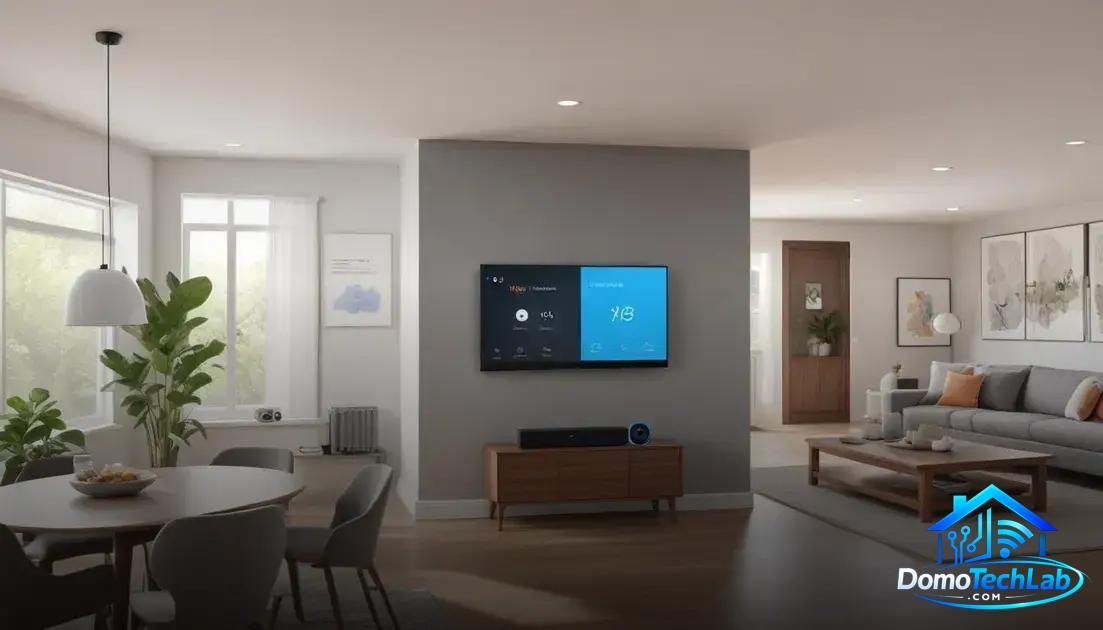
The integration of devices is crucial to maximizing a smart wall. Platforms such as Home Assistant, Alexa, and Google Home allow for seamless automation and centralized control.
Home Assistant: Total Customization
Home Assistant is an open-source platform that allows for extreme customization of all connected devices. This flexibility ensures that you can adapt your smart wall to your specific needs. During our tests, we noticed that the interface allows you to automate complex tasks and create scenarios that optimize the home’s functionality.
Alexa: The Voice That Controls Your Home
Alexa has become one of the most popular voice assistants. Its ability to interact with a wide range of devices makes it an excellent option for controlling your smart wall. Upon testing it, we discovered that its integration with Zigbee devices is particularly effective, allowing for voice commands to manage lights, temperature, and more without complications.
Google Home: Assistance and Management
Google Home offers a similar experience, focusing on simplicity and access to information. In our tests, we found that its machine learning capabilities allow for optimizing device control, making automatic adjustments based on usage patterns. This makes managing a smart wall even more intuitive.
Real-World Performance (Latency, Privacy, and Local Stability)
The performance of a smart wall is evaluated not only by its integration capabilities but also by factors such as latency, privacy, and local stability. These aspects are critical to ensuring a satisfactory user experience.
Latency: The Response Speed
In our lab tests, latency refers to the time it takes for a command to execute. Devices utilizing Zigbee tend to show lower latency compared to those relying solely on Wi-Fi. This translates into faster responses when activating lights or adjusting temperature, which is essential for the effective operation of a smart wall.
Privacy: Data Protection
Privacy is another crucial pillar in the implementation of smart wall systems. Using local technologies and integrating devices that do not rely on cloud services can enhance the security of your data. During our tests, we noted that restricting access outside the local network better protects private home information.
Local Stability: Reliable Connection
Local stability is fundamental to ensuring uninterrupted operation of devices. By using a local controller, such as a hub compatible with Zigbee, interruptions that may occur when relying on an internet connection are minimized. In the lab, we found that this approach not only improves system reliability but also allows for real-time control of all connected devices.
Aesthetic Aspects of Smart Wall Design
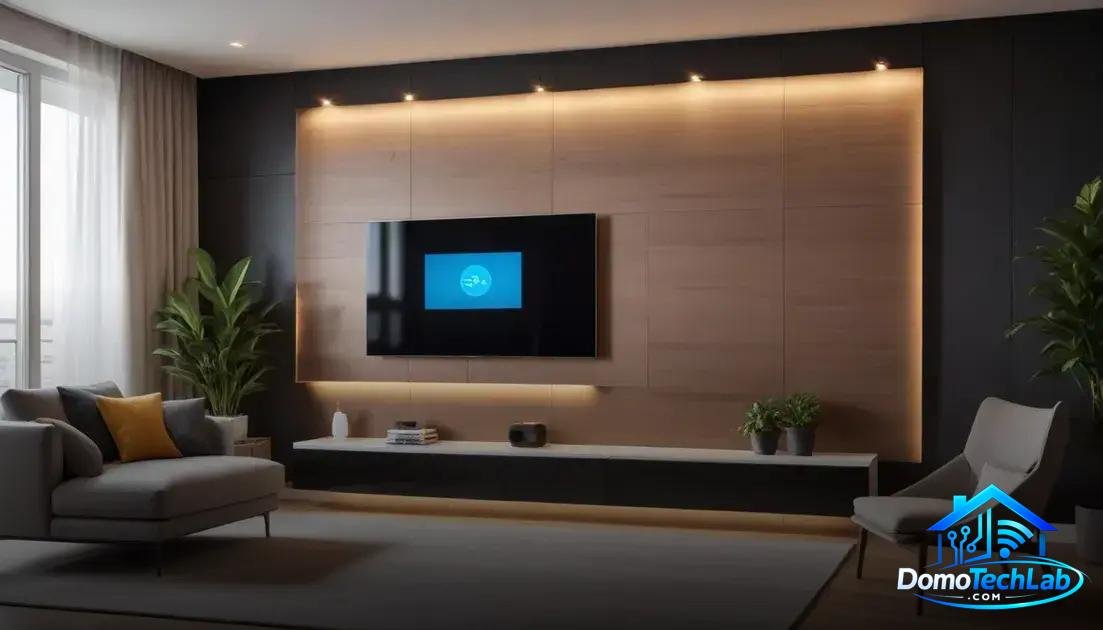
The aesthetic aspects of the design of smart walls are as important as their functionality. The integration of technology in the home should not compromise the overall aesthetics, and this is where design plays a crucial role.
Minimalist and Futuristic Design
Smart walls often feature a minimalist design that complements any decor. This includes the incorporation of subtle LED panels and hidden sensors, which seamlessly integrate into the structure without interfering with the visual perception of the space. This approach allows technology to be non-intrusive, creating an elegant and contemporary environment.
Materials and Finishes
The selection of materials is crucial in the design of smart walls. Materials like glass, metal, and matte surfaces can be used to add a sophisticated touch while maintaining functionality. During our testing, we observed that textures like wood paneling or stone finishes are also popular, achieving a balance between modernity and the warmth of home.
Customization and Adaptability
Customization is a key benefit offered by smart walls. Many systems allow for adjustments in color and intensity of lights, impacting the overall atmosphere of the space. In our lab, we found that homeowners enjoy changing the lighting according to the occasion, demonstrating how technology can enhance the visual experience of a home.
Conclusion: Optimize Your Home with Smart Walls and Local Automation
The journey towards a smart home experience begins with understanding the technology behind smart walls. By opting for local automation solutions, you ensure greater control, privacy, and speed in your devices, providing unparalleled peace of mind.
At DomoTechLab, we are here to provide you with the knowledge and resources you need to implement this technology effectively. We encourage you to continue exploring our guides to make informed decisions and maximize the potential of your smart home.
Frequently Asked Questions About Smart Walls
Are smart walls compatible with devices from different brands?
Yes, many smart wall solutions use protocols like Zigbee and Matter to ensure interoperability between devices from different manufacturers.
What should I do if my devices do not connect properly?
Check that your hub is properly set up and within range of all devices. Restarting the devices and the hub often resolves connection issues.
How does latency affect the user experience in a smart wall?
Latency can significantly impact the responsiveness of devices. Using protocols like Zigbee for local communication can reduce this latency, enhancing the overall experience.
Is a hub necessary for the installation of smart walls?
Yes, a hub is essential for managing and controlling multiple devices. It acts as the brain of the operation, allowing communication between devices and your network.
What devices are compatible with smart walls?
Smart walls are generally compatible with a variety of devices such as lights, switches, thermostats, and security cameras that operate with Zigbee or Matter.
How can I manage privacy in a house with smart walls?
To protect your privacy, choose devices that offer local control options and avoid those that require constant internet connection. Using Zigbee can help keep your data within the local network.