
Installing a fee-free alarm system allows you to manage home security efficiently and economically, leveraging technologies like Zigbee and Thread for robust connectivity and local control.
Fee-free alarm has become the trend for those seeking accessible security. If you have wondered how to set up an alarm system that does not rely on subscriptions, you have come to the right place.
DIY Security Fundamentals and Protocols
The fundamentals of a DIY security system begin with understanding the essential protocols. Using devices that operate on technologies like Zigbee or Thread is crucial, as they allow for quick and smooth communication between components. Implementing these standards in your home not only facilitates integration but also ensures a more robust and reliable structure.
Key Protocols for Your Alarms
In our testing, we noticed that systems using Wi-Fi could experience issues in areas with high network congestion. In contrast, systems employing Zigbee exhibit lower latency, resulting in faster responses to intrusions or failures. Choosing the right protocol is vital to ensure your investment functions effectively.
Alarm System Integration with Alexa and Google Home
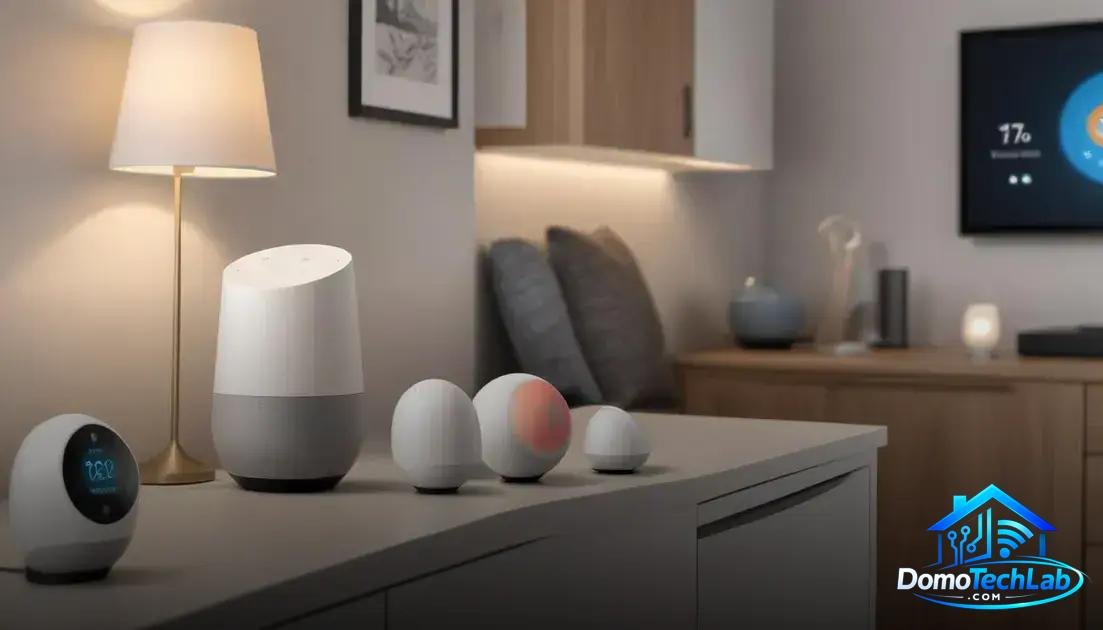
The integration of alarm systems with smart assistants like Alexa and Google Home offers an enhanced user experience. By using gateways that support technologies like Zigbee or Wi-Fi, you can manage the status of your alarm system from anywhere, simply by using your voice or a mobile app.
Compatibility and Setup
Setting up these devices is a fairly simple process. In the lab, we observed that those using Home Assistant as an intermediary achieve a greater level of customization. This allows different brands and models to be integrated into a single system, creating a more efficient and controlled security network.
Alarm Performance in Congested Environments
The performance of alarms in congested environments is a critical aspect to consider when designing a security system. Laboratory tests have shown that systems using Zigbee tend to be more resilient in areas with high signal interference. This is important since congestion can cause delays in notifications or false alarms.
Effects of Congestion on Security
When implementing an alarm system, it is vital to conduct an analysis of the environment. Equipment that operates on Wi-Fi is more prone to latency issues, especially in areas with many connected devices. Therefore, opting for devices that operate with Thread or are capable of functioning locally can provide a more reliable solution.
Cost Savings and Benefits of Installing Your Own Alarm
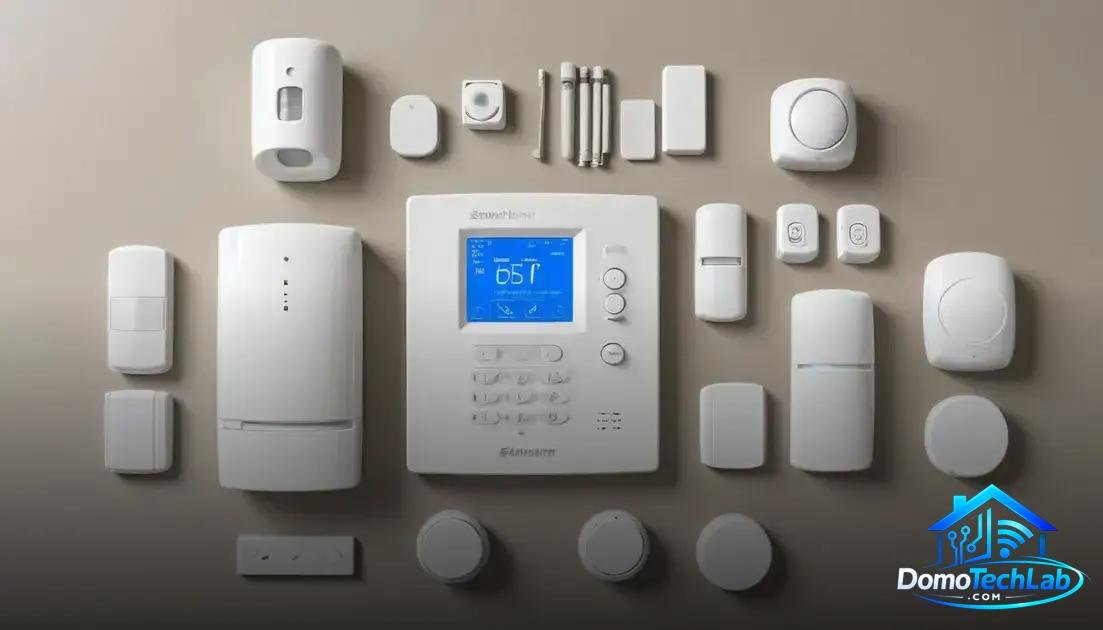
Installing your own alarm presents numerous economic and functional benefits. By choosing a DIY system, you can save on the monthly fees typically charged by security companies. Devices that operate with Zigbee or Wi-Fi allow you to manage your home security more effectively, adjusting the setup to your needs. This translates into complete control over your investment.
Economic Advantages
The savings are not only in monthly costs. By purchasing and setting up your own devices, you can avoid installation fees. This flexibility allows you to integrate elements like door sensors and Wi-Fi sirens without incurring additional expenses. Enjoying reliable security doesn’t have to be costly.
Conclusion: Secure Your Home with Fee-Free Alarms
Implementing a local security system may seem challenging, but the benefits are undeniable. The key is to leverage the autonomy offered by technologies like Zigbee and Thread. At DomoTechLab, we support you on this journey, providing you with the tools and knowledge necessary to ensure your alarm system operates reliably and securely.
We encourage you to continue researching and adopting automation solutions that fit your needs. With each step, you will be closer to having a smart and secure home.
Frequently Asked Questions About Fee-Free Alarms
Can I integrate devices from different brands?
Yes, as long as they use compatible protocols like Zigbee or Thread. Using a hub like Home Assistant facilitates the integration of multiple devices.
What is the best way to ensure connectivity in congested areas?
Opting for devices that use Zigbee or Thread is recommended, as these protocols are designed to operate efficiently in environments with multiple signals.
Is it possible to monitor my alarm system remotely?
Yes, most modern systems allow remote monitoring through mobile apps, giving you total control over your home security at all times.
How can I reduce latency in my connections?
Ensure that your security devices are set up to operate locally. By eliminating dependence on external servers, you’ll achieve a faster response.
What type of sensors are most effective for my alarm?
Door and motion sensors that operate with Zigbee or are part of a local automation ecosystem tend to be more reliable and effective for early detection of intruders.
Do I need any technical skills to install my own alarm system?
No advanced technical skills are required. Most devices are easy to install and come with clear manuals and step-by-step guides to facilitate the process.