
Local automation in the realm of Smart Home and health enhances quality of life by allowing efficient control of devices like smart plugs and bulbs, ensuring safety, privacy, and effective ecosystem integration without relying on the internet.
In the context of Smart Home and health, automation becomes a key tool for well-being. These systems not only facilitate daily life but also improve fundamental aspects such as the air we breathe and our rest. Are you ready to discover how technology can impact your health?
Fundamentals and Protocols
To build an efficient smart home, it is crucial to understand the fundamentals and protocols that enable communication between devices. Protocols like Zigbee, Thread, and Wi-Fi have unique characteristics that determine how they work together in a home automation ecosystem.
Communication Protocols
Zigbee is widely known for its low energy consumption, making it an ideal choice for devices that operate continuously, such as bulbs and smart plugs. Its ability to create mesh networks ensures that devices communicate with each other, improving coverage and stability.
Network Quality with Matter
Matter is a new standard that promises interoperability among different brands and devices. This means that with Matter, you can integrate equipment from various brands without complications, which is essential for a coherent and functional smart home.
Integration and Ecosystems
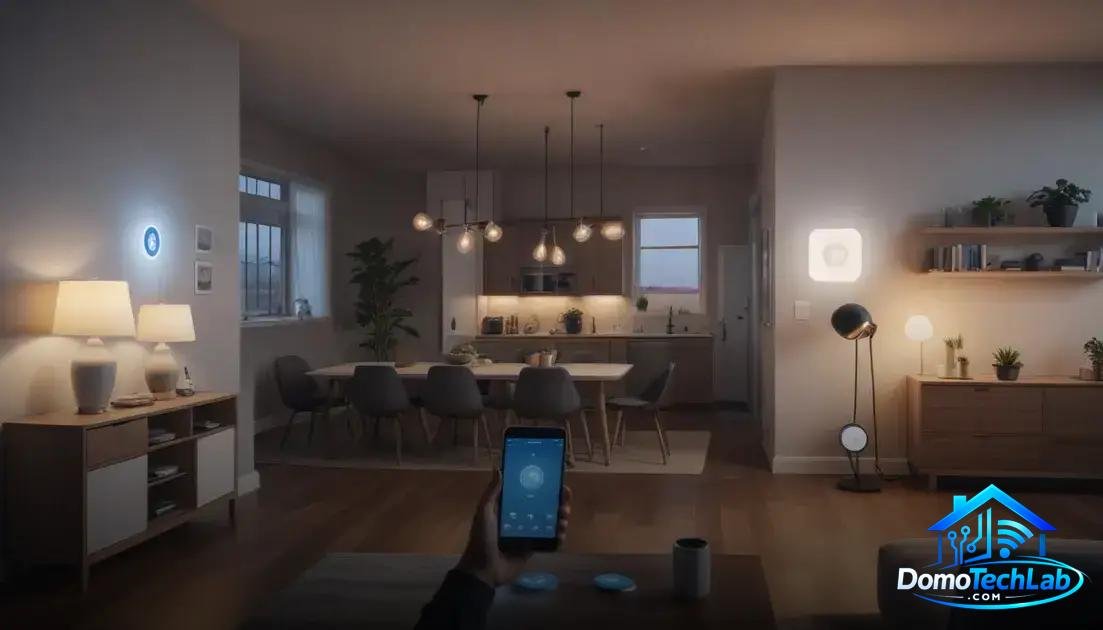
The integration of devices in a smart home is fundamental to maximizing functionality and convenience. Platforms like Home Assistant, Alexa, and Google Home offer various options to connect and control multiple devices from a single location.
Interoperability and the Role of Hubs
Hubs are the heart of local automation. By allowing different protocols like Zigbee and Thread to communicate with each other, hubs ensure that your devices operate together and stably. This is essential when you want to create a seamless ecosystem.
Automation in Smart Ecosystems
When properly implemented, local automation can transform daily tasks like turning on lights or adjusting temperature. Setting up routines in Home Assistant enhances control and improves energy efficiency, resulting in a friendlier and more sustainable environment.
Real-World Performance
The performance of devices in the real world is a crucial aspect that defines the effectiveness of a smart home. In our tests, we analyzed various factors like latency, network stability, and data privacy.
Latency and Response Speed
Devices that use Zigbee exhibit superior response speeds compared to other protocols. This efficiency is vital for critical applications like security systems and lighting automation, where every millisecond counts.
Data Privacy and Security
Privacy is an increasing concern among users of smart homes. By opting for a local automation system, exposure to external hacking is reduced. It’s vital to ensure that your devices are updated and use secure protocols like Thread.
Improvements in Quality of Life
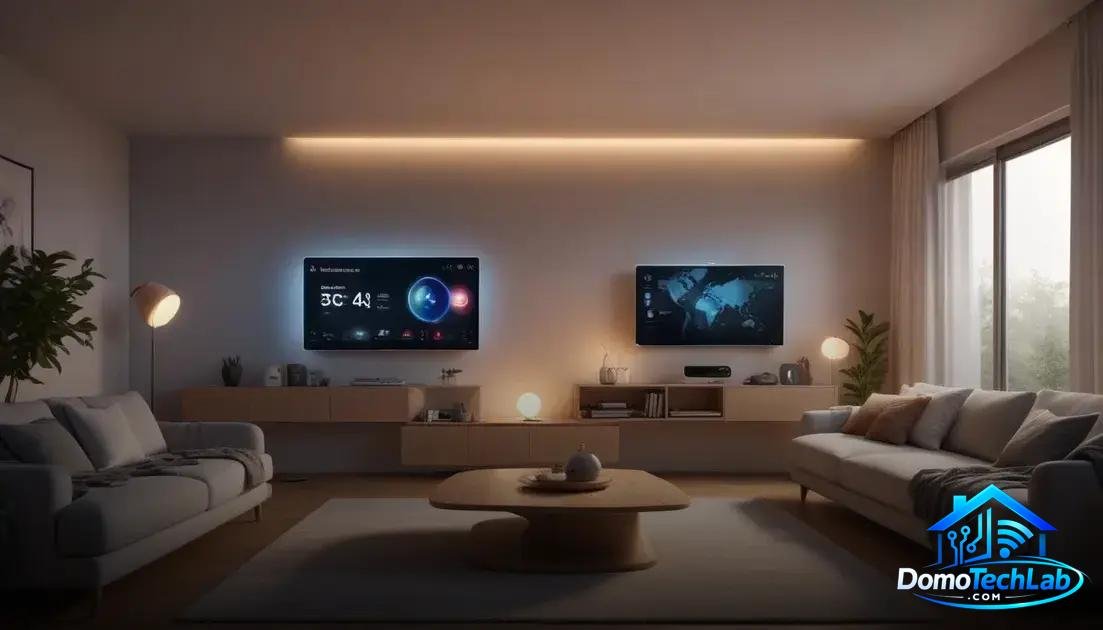
Implementing technologies in a smart home not only facilitates daily tasks but can also significantly enhance the quality of life for its inhabitants. Thanks to automation, you can enjoy a more comfortable and secure environment.
Well-being and Comfort at Home
Devices like smart bulbs and plugs allow for the creation of personalized environments. For example, you can schedule lighting to simulate sunrise, which improves your mood and potentially supports better sleep.
Health and Well-being Monitoring
The integration of technologies like air quality sensors and sleep monitoring devices enables closer tracking of your health. By using Zigbee to connect your devices, you can receive real-time alerts about changes in your environment that may affect your well-being.
Conclusion: Empower Your Health with a Local Smart Home
Diving into the world of local automation can be a path full of benefits, not only in terms of convenience but also for your overall well-being. At DomoTechLab, we are committed to providing you with the tools and knowledge needed so that each device in your home works in perfect harmony.
We encourage you to continue researching how to implement local automation solutions that fit your needs, ensuring security, privacy, and a healthier lifestyle.
Frequently Asked Questions about Smart Home and Health
Which protocols are compatible with each other?
Protocols like Zigbee and Thread can be compatible through appropriate gateways, while Wi-Fi can integrate with multiple devices more directly. It’s important to check device specifications to ensure interoperability.
Can a Zigbee device work without the internet?
Yes, Zigbee devices can operate locally through a compatible hub. This allows automations to be executed without needing an internet connection, ensuring greater security and privacy.
How can I ensure the security of my smart home?
Security can be reinforced by using strong passwords, keeping device firmware updated, and limiting access to the local network. Choosing devices that offer data encryption is also vital.
Is it complicated to integrate devices from different brands?
It doesn’t have to be. Many platforms like Home Assistant are designed to facilitate the integration of devices from various brands and protocols, as long as they are compatible with the standard you are using.
What can I do if my devices have connectivity issues?
Check the location of your hub and ensure there are no signal interferences. You can also try restarting the devices or updating their software to resolve connectivity issues.
Are local automation devices more expensive?
Not necessarily. While some high-end devices can be costly, there are many affordable options on the market that offer robust functionality for effective local automation.