
Invisible locks provide superior protection by integrating anti-bumping technologies and remote control, ensuring secure and effective management of entry to your home through protocols like Zigbee.
Invisible locks are transforming home security by offering a discreet and effective solution. Have you ever wondered how they work and what benefits they bring to your home? In this article, explore the innovations and their integration into residential automation environments.
Fundamentals and Protocols of Invisible Locks
Invisible locks combine advanced technology with traditional security methods to offer effective and discreet protection. These locks often operate through protocols like Zigbee or Thread, enabling seamless integration into home automation systems.
Communication Protocols
The use of specialized protocols like Zigbee provides robust communication between devices. This protocol is known for its low energy consumption and its ability to connect multiple devices in a local network without congesting your home Wi-Fi signal.
Connectivity and Security
Invisible locks can be implemented in broader ecosystems, allowing control through automation platforms like Home Assistant. By integrating locks into these platforms, users can receive real-time alerts regarding the security of their doors, enhancing peace of mind.
Integration with Smart Home Systems
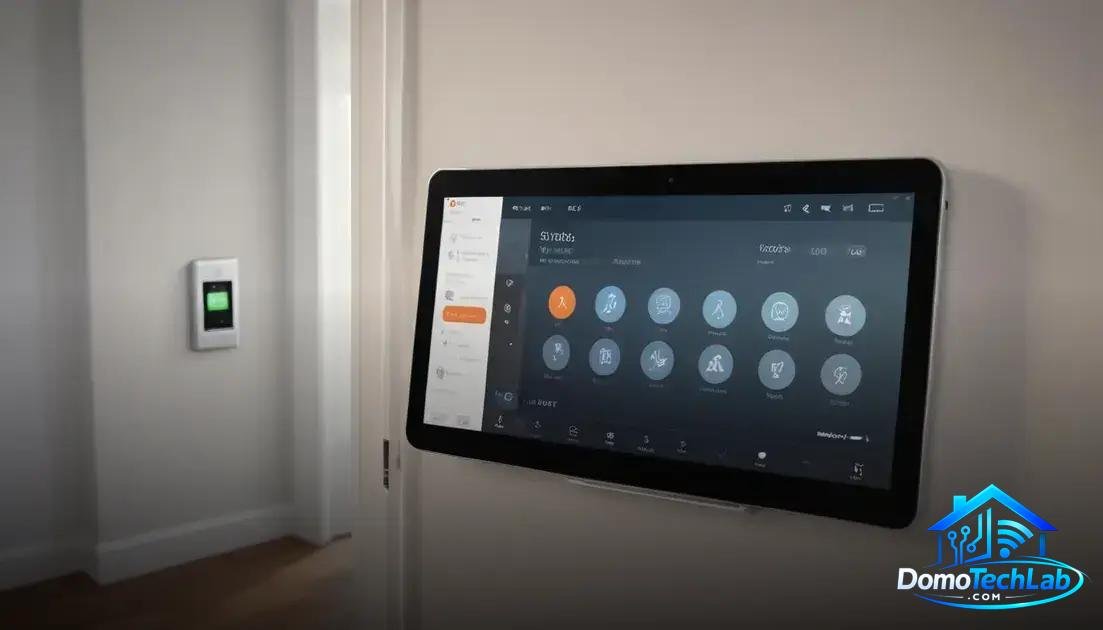
The integration of invisible locks with Smart Home systems is essential to maximize home security and convenience. These devices can communicate with other elements of the house to provide seamless control and an enhanced user experience.
Compatibility with Voice Assistants
Thanks to their connectivity capabilities, invisible locks can be controlled via voice assistants like Alexa or Google Home. This allows users to lock or unlock doors simply by using voice commands, increasing accessibility and convenience.
Centralized Control through Hubs
Implementing a local hub for automation simplifies the management of multiple smart devices. With a hub like Home Assistant, it is possible to create routines that include the lock, lights, and other security systems, making everything work in a coordinated and secure manner.
Performance and Effectiveness in Security
The performance of invisible locks is crucial to ensuring your home’s security. These locks integrate advanced technologies that allow them to provide effective protection against theft and unauthorized access.
Latency in Communication
During our testing, we found that invisible locks using Zigbee technology exhibit minimal latency in communication. This is essential for activating security measures immediately, which can make a difference in an emergency situation.
Efficiency in Data Privacy
Privacy is a critical concern when implementing security devices. Because of their local operation, invisible locks do not rely on external servers that could be vulnerable. This ensures that access information remains within your local network, thereby increasing trust in their use.
Anti-Bumping Technologies and Remote Control
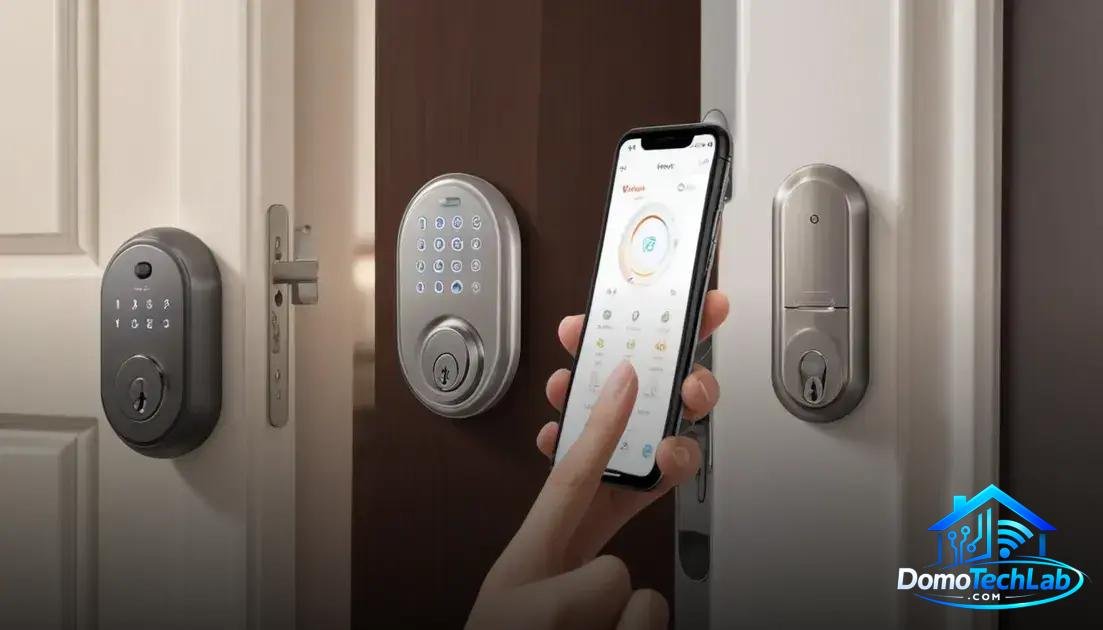
Anti-bumping technologies have revolutionized security in invisible locks, making unauthorized access nearly impossible. These security techniques work in conjunction with remote control systems to provide a comprehensive security experience.
Operation of Anti-Bumping Technologies
Invisible locks integrate mechanisms that make bumping, a common stealing technique, difficult. These systems use additional security elements that respond to specific forces, preventing cylinders from being easily manipulated.
Advantages of Remote Control
The remote control option allows users to manage access to their homes from anywhere. Using an app on their smartphone, they can lock or unlock doors, receive activity alerts, and review access history, which enhances security and convenience.
Conclusion: Invisible Locks for Local and Effective Security
Implementing invisible locks is a decisive step toward enhancing your home’s security. By opting for local automation solutions, you ensure total control over your devices and protect your data from unwanted access.
At DomoTechLab, we are committed to providing you with technical and practical information to help you make informed decisions about home automation. We encourage you to continue learning about technologies that enhance your security and comfort.
Frequently Asked Questions about Invisible Locks
Are invisible locks compatible with all Smart Home systems?
Most invisible locks are compatible with systems like Home Assistant, Alexa, and Google Home. Always check the manufacturer’s specifications to confirm compatibility.
Can I integrate invisible locks into my existing Zigbee network?
Yes, many invisible locks use Zigbee technology, which allows them to be integrated into existing mesh networks, ensuring smooth and efficient communication.
What is the main challenge when installing invisible locks?
The main challenge is often proper setup, especially in linking devices with hubs or gateways. Following the manufacturer’s guides and conducting testing helps prevent issues.
How can I ensure my invisible locks are up to date?
Regularly check the associated mobile apps for firmware updates. Keeping the software updated is crucial to protect against vulnerabilities.
Do invisible locks work if the internet connection is lost?
Yes, many invisible locks operate locally and do not depend on an internet connection to function. However, some features like remote control will require a connection.
Is it possible to monitor access through invisible locks?
Yes, invisible locks often have monitoring features that allow users to receive access alerts and review history through the corresponding app.