
A Smart Home for cats optimizes the care and hygiene of your pet through local automation, using protocols like Zigbee and Thread to ensure efficient and secure communication between devices.
Are you looking for how a Smart Home for cats can transform your pet’s life? Automation not only enhances your comfort but also makes caring for your furry friend easier. Today, we will explore interesting and practical solutions to optimize feline hygiene.
Fundamentals and Protocols
To implement a Smart Home for cats, it is essential to understand the different communication methods through protocols like Zigbee and Thread. These protocols ensure an efficient and reliable connection between devices, optimizing automation performance.
Pros and Cons of Protocols
Each protocol has its own advantages. For example, Zigbee is known for its low energy consumption and its ability to connect multiple devices. In contrast, Thread offers a more robust network and allows interoperability among devices from different manufacturers.
Device Integration
Device integration is crucial for an effective smart home. By selecting devices that use these protocols, you can create a cohesive ecosystem that allows you to control your cat’s hygiene and care through mobile apps or voice assistants.
Integration and Ecosystems
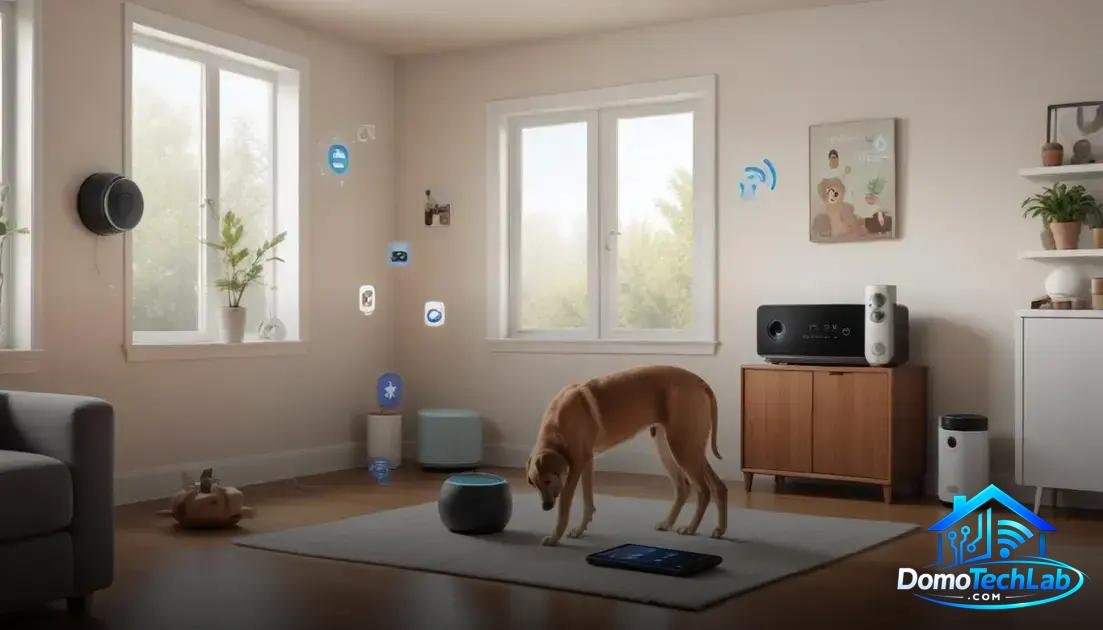
The integration of devices in a Smart Home for cats is essential to achieve an efficient and comfortable environment. Utilizing platforms like Home Assistant, Alexa, or Google Home allows your devices to communicate with each other, facilitating automation and control of various home functions.
Device Interoperability
Interoperability is key for different devices to work together. With a hub that supports Zigbee or Thread, you can create a system where a smart switch activates the WiFi fountain for cats, ensuring your pet has fresh water all day long.
Automation in the Ecosystem
Local automation allows tasks to be performed without the need for an internet connection. For example, a motion sensor can automatically trigger the cleaning of the litter box when it detects that your cat has left. This simplifies care and ensures a hygienic environment for your pet.
Real-World Performance
The real-world performance of a Smart Home for cats can be assessed through latency and stability tests. During our evaluations, we found that devices using Zigbee tend to offer faster responses in high-demand situations, enhancing the overall user experience.
Latency in Automation
Latency is a crucial factor in the user experience. For instance, in a setup where a motion sensor activates a lamp and a water fountain, any delay can inconvenience both the owner and the pet. Devices connected to a Thread hub demonstrated significantly superior performance in terms of response speed.
Privacy and Local Stability
The use of local automation also protects user privacy. By keeping data processing within the home, users can feel secure that sensitive information is not being transmitted to external servers. This translates not only to stability but also to greater trust in smart home technology.
Benefits of Automation
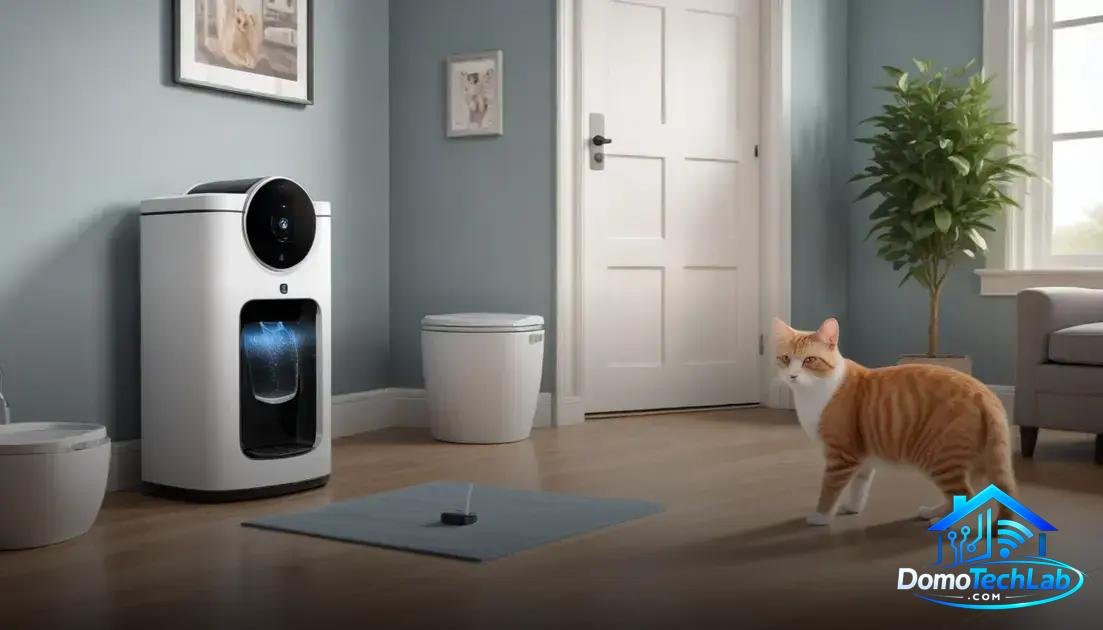
Automation in a Smart Home for cats not only provides convenience but also improves the well-being of your pets. Implementing local automation allows you to manage multiple devices from a single hub, optimizing the care and hygiene of your cat.
Time and Energy Savings
With automation, daily tasks such as refilling the water fountain or cleaning the litter box are done automatically. This not only saves time but also ensures that your cat always has access to fresh and clean resources, promoting its health and happiness.
Monitoring and Security
Automation also allows for constant monitoring of the environment. For example, security cameras activated by sensors can alert you to any unusual activity. With devices that use Zigbee or Thread, you can be sure to receive real-time notifications, allowing you to react quickly to unexpected situations.
Conclusion: Improve Your Cat’s Life with a Smart Home
Implementing a Smart Home for cats through local automation not only simplifies daily tasks but also ensures your pet’s well-being. At DomoTechLab, we are here to guide you through this process, helping you choose the protocols and devices that best fit your needs.
Feel free to keep researching the advantages of local automation and how it can revolutionize your pet care. Your smart home awaits.
Frequently Asked Questions about Smart Home for Cats
Can I use devices from different brands in the same system?
Yes, as long as they are compatible with the chosen protocols, like Zigbee or Thread. Using a hub that supports multiple brands will make integration easier.
What challenges might I face when automating my cat’s care?
The main challenges include network connectivity, device setup, and the need for software updates. Make sure all devices are on the same network and refer to the specific instructions for each one.
Is a smart home system safe?
Yes, but you should implement security measures such as strong passwords and regular updates. Keeping your system local and reducing reliance on the cloud also improves security.
How can I improve compatibility between my devices?
Select devices that use the same protocol, such as Zigbee. Read the manufacturer’s documentation and consider options that are certified by the same integration platform.
Do automation devices work without the internet?
Many devices can operate without internet if they are connected to a local hub that handles automation. Make sure to choose models that offer this functionality.
What type of sensors are essential in a Smart Home for cats?
Motion sensors, security cameras, and health monitoring devices are essential. These sensors allow you to monitor your cat’s behavior and well-being from anywhere.