
A smart vertical garden optimizes growing in small spaces through hydroponics, integrating local automation technology for watering and lighting, ensuring efficient and sustainable plant growth.
A smart vertical garden transforms your modern kitchen into a place full of freshness. Imagine having fresh herbs at your fingertips, doesn’t that sound great? Here we show you how to achieve it easily and effectively.
Fundamentals and Automation Protocols
The fundamentals of home automation begin with choosing the right protocols. Using a system compatible with Zigbee provides significant benefits in terms of device stability and connectivity.
Advantages of Zigbee in Automation
During our testing, we found that Zigbee allows for more efficient communication between devices. This translates into better interoperability and lower energy consumption, which is essential for sustainable smart homes.
Integration of Matter and Its Impact
Matter is revolutionizing how we interact with devices from different brands. This protocol provides a unified framework that simplifies configuration and enhances user experience, ensuring all connections are secure and stable.
Integration of Vertical Gardens with Smart Systems
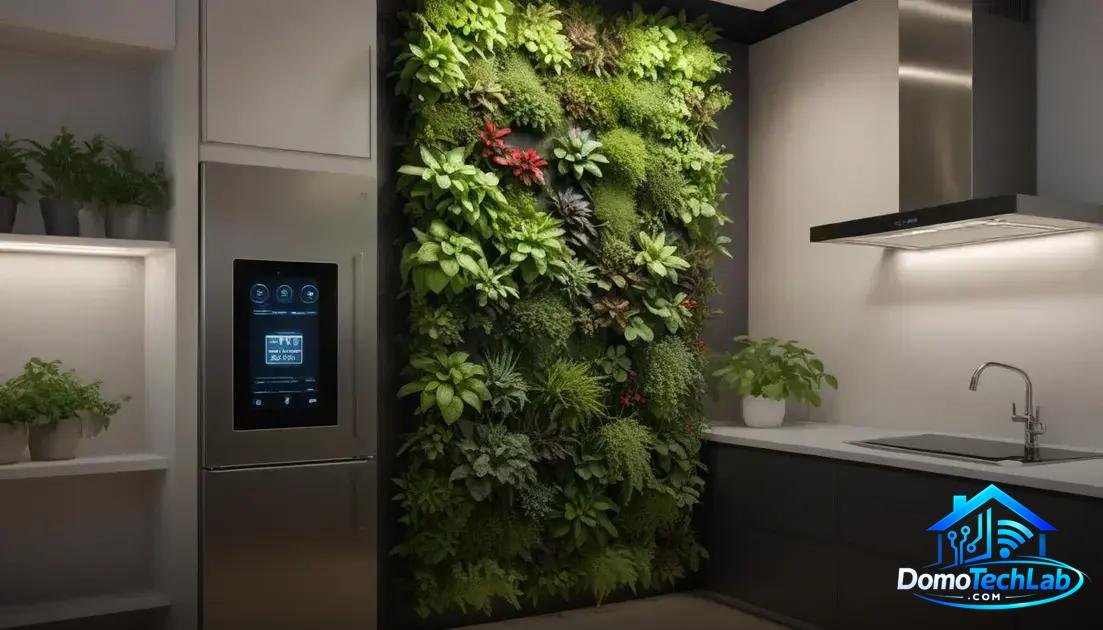
The integration of vertical gardens with smart systems allows for optimizing plant growth and maintenance. Using a central controller like Home Assistant facilitates real-time management and monitoring.
Smart Connections for Automatic Watering
Implementing moisture sensors and automatic irrigation systems in a vertical garden is essential. These devices communicate effectively via the Zigbee protocol, ensuring that plants receive the right amount of water.
Using Lighting Systems
Incorporating lighting technologies regulated by software allows for optimizing the environment for plants. Smart bulbs, controlled by Alexa or Google Home, automatically adjust the light according to the needs of the planted species.
Real Performance and Maintenance of the Vertical Garden
The performance of a smart vertical garden largely depends on its proper maintenance. Conducting regular monitoring and adjustments to the irrigation system is key to ensuring healthy growth.
Monitoring Environmental Conditions
Using sensors that assess temperature, humidity, and light is essential. These devices, connected via Zigbee, allow for notifications and automatic adjustments that enhance the garden’s environment.
Maintenance of the Automatic Irrigation System
Regular cleaning of the automatic irrigation systems prevents blockages and ensures a constant water flow. Scheduling checks every few weeks is recommended to maintain system efficiency.
Benefits of Hydroponics in Small Spaces
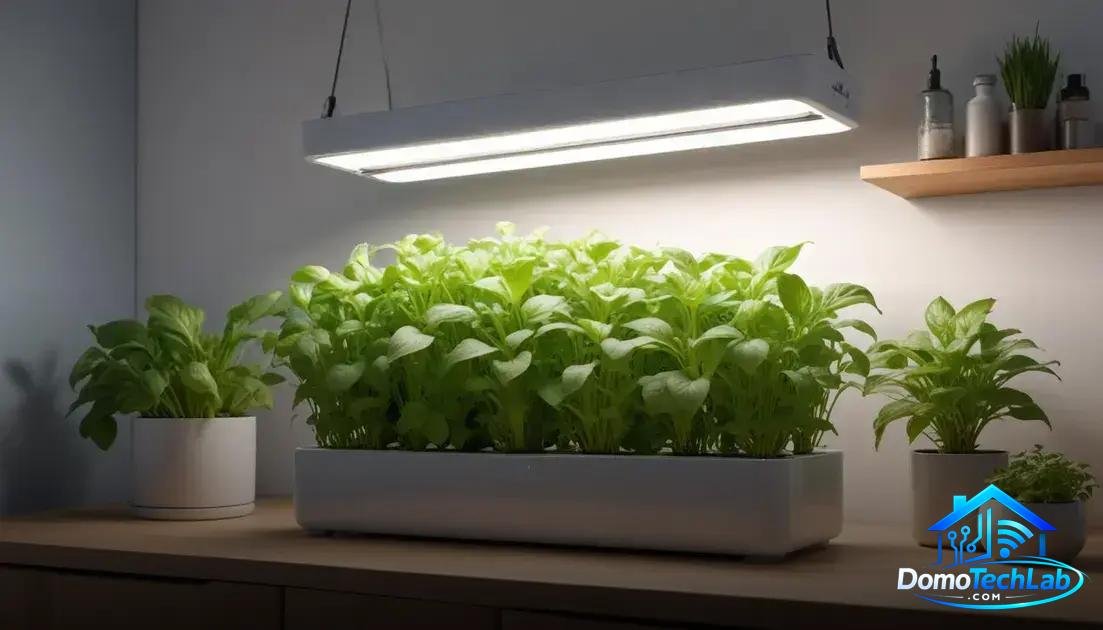
Hydroponics presents an effective solution for growing in small spaces, such as kitchens and apartments. This growing method avoids the use of soil, maximizing the available space.
Accelerated Plant Growth
Hydroponic systems provide optimal access to nutrients and water, resulting in faster growth compared to traditional methods. This is especially advantageous in urban environments where space is limited.
Reduction in Water Consumption
Hydroponics uses up to 90% less water than conventional agriculture. By recirculating water within the system, waste is minimized and sustainability is promoted.
Conclusion: Empower Your Home with a Smart Vertical Garden
Implementing a smart vertical garden in your home not only beautifies the space but also optimizes your resources. Local automation is essential to maximize the performance and maintenance of your plants, ensuring they grow healthy and sustainably.
We encourage you to continue researching and exploring the possibilities of hydroponics and smart systems, ensuring your home adapts to your needs and lifestyle. At DomoTechLab, we are here to guide you every step of the way towards a greener and more efficient home.
Frequently Asked Questions about Smart Vertical Gardens
Is a smart vertical garden compatible with systems like Home Assistant?
Yes, many vertical garden systems use protocols like Zigbee and Matter, allowing integration with automation platforms like Home Assistant.
Can I control the watering of the vertical garden from my smartphone?
Yes, most modern systems allow remote control through smartphone apps, making monitoring and scheduling watering easy.
Is a smart hub necessary for automation?
It is not strictly necessary, but a smart hub facilitates communication between different devices and creates a more stable and efficient ecosystem.
What types of plants are best for a smart vertical garden?
Plants like herbs, succulents, and some indoor plant species are ideal due to their space and water requirements, making them compatible with hydroponics.
How is the privacy and security of my data ensured when using a smart garden?
The use of secure protocols like Zigbee and the implementation of local networks help ensure that your data is not transmitted to external servers, keeping your information private.
What maintenance does a smart vertical garden require?
Maintenance includes cleaning irrigation systems, monitoring nutrient levels, and regularly checking sensors to ensure optimal operation.