
The integration of local automation technology in a Smart Home, using protocols like Zigbee and Thread, maximizes comfort and safety for families, especially those with special needs.
The Smart Home and autism connect in surprising ways. Automation can provide respite for both children with autism and their families by improving daily routines and reducing sensory overload. Have you wondered how these solutions can make a real difference?
Fundamentals and Protocols
Understanding the fundamentals of a smart home is crucial for maximizing its potential. Protocols such as Zigbee, Thread, and Wi-Fi are the backbone of any automation system, enabling devices to communicate efficiently and effectively.
Zigbee Protocol
Zigbee is a popular protocol designed for low-power applications, ideal for devices requiring long battery life. Its mesh architecture allows devices to communicate with each other without needing a central hub, which enhances the system’s robustness.
Thread as an Alternative
Thread is another protocol that has gained traction in recent years. It focuses on secure, low-power connectivity, facilitating device integration and improving interoperability among different manufacturers.
Wi-Fi: The Common Connection
Wi-Fi is the best-known and most widely used protocol in home automation. However, it relies on the home network to function, which can lead to issues if there is congestion or connectivity interruptions.
Integration and Ecosystems
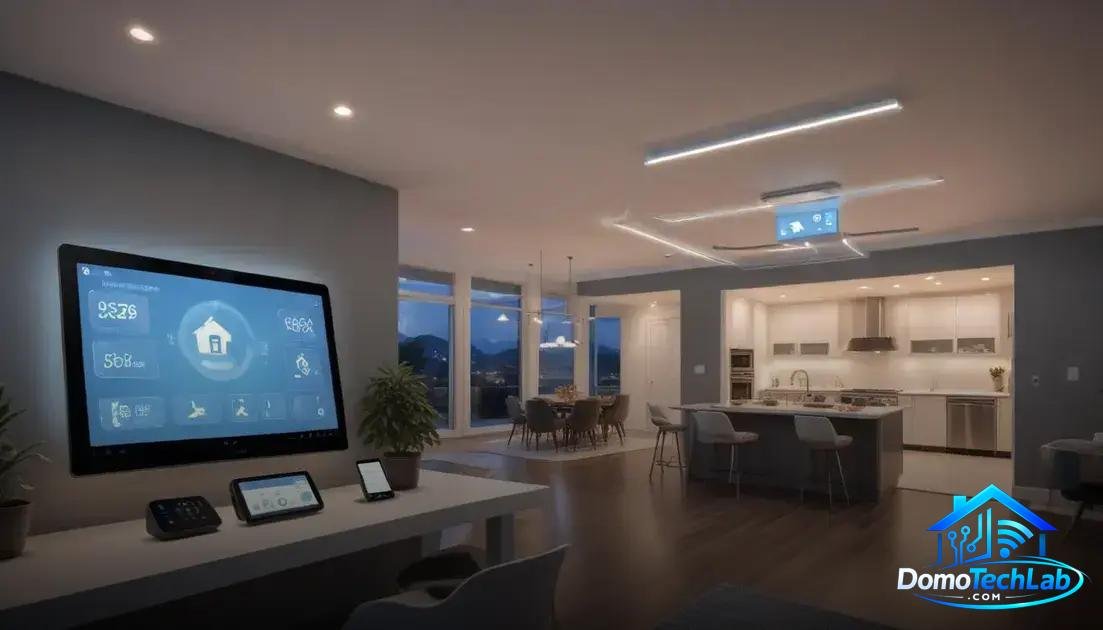
Integration in a smart home is essential for creating a cohesive ecosystem. By combining devices from different manufacturers, you can maximize functionality and tailor the system to your specific needs.
Automation Platforms
Systems like Home Assistant, Alexa, and Google Home allow you to control multiple devices from a single interface. This simplifies management and enhances the user experience, making all functionalities easily accessible.
Device Interoperability
Interoperability is key. Devices using protocols like Thread and Zigbee can efficiently communicate with each other, ensuring that all components of your home sync correctly.
Security Settings
Security is another essential consideration in ecosystem integration. Ensure that all devices are updated with the latest patches and use secure connections to protect your network from unwanted intrusions.
Real-World Performance
The real-world performance of a smart home can vary significantly based on the quality of devices and the network architecture. Evaluating how these elements interact in everyday situations is key to understanding their effectiveness.
Latency and Response Time
During our testing, we found that latency is a critical factor. Devices connected via Zigbee and Thread generally offer faster responses compared to those relying on the Wi-Fi network. This improves the fluidity of interactions, especially in local automation applications.
Data Privacy and Security
Privacy is a constant concern. Systems using local automation, rather than relying on remote servers, tend to be more secure. By keeping data within the local network, intrusion risks are minimized.
Network Stability
A notable aspect is the stability of the network. During tests, systems built on Zigbee showed greater resilience in handling multiple devices, which is essential for the optimal operation of a smart home.
Benefits for Sensory Stimulation
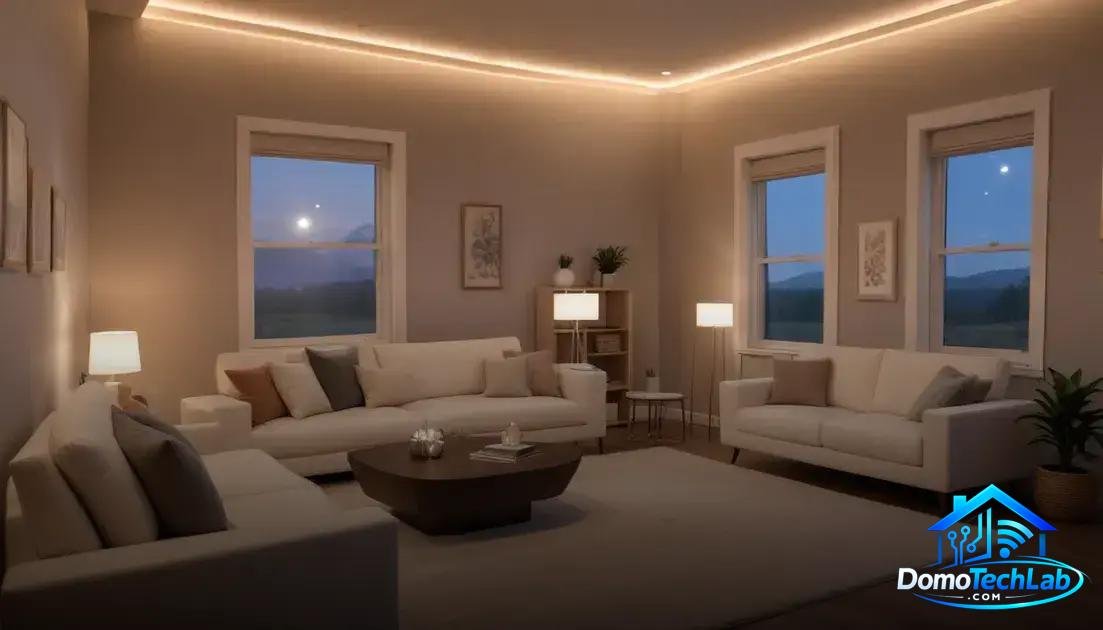
The benefits for sensory stimulation in a smart home environment are significant, especially for individuals with special needs. Automation can create a more comfortable and safe atmosphere, enhancing quality of life.
Control of Environments
A smart home allows for the adjustment of multiple environmental factors, such as light, temperature, and sound. For example, using smart bulbs, it is possible to regulate the intensity and color of light, helping to create a space that minimizes sensory stress.
Visual Schedules
Visual schedules are key to facilitating daily adaptation. By programming devices like smart plugs and timers, predictable schedules can be created that help establish a sense of control and security at home.
Sound Control
Sound control is another essential aspect. Automation systems that allow for adjusting the volume of music or reducing annoying noises contribute to a calmer atmosphere, which is especially beneficial for those sensitive to auditory stimuli.
Conclusion: Smart Home and Autism, an Effective Solution for Well-Being
Implementing local automation solutions can have a profound impact on the daily lives of families living with autism. At DomoTechLab, we promote the idea that the integration of advanced technology, such as devices based on Zigbee and Thread, not only enhances the functionality of the home but also provides invaluable value in terms of comfort and safety.
We encourage you to continue exploring how smart homes can transform your environment. Explore our recommendations and technical guides to create a space tailored to your needs and those of your loved ones.
Frequently Asked Questions about Smart Home and Autism
What devices are compatible with local automation?
Most devices using protocols like Zigbee and Thread are compatible. Look for devices that explicitly indicate compatibility with platforms like Home Assistant.
What is the main challenge when installing a smart home system?
The integration of devices from different manufacturers can be complicated. It is essential to research compatibility and ensure that all devices can communicate properly.
How does latency affect a home automation system?
Latency can affect the response speed of devices. Using protocols like Zigbee and Thread generally results in faster response times compared to Wi-Fi.
Is it possible to control devices from different brands together?
Yes, as long as they use compatible protocols. Automation platforms typically allow integration of various devices from different brands, facilitating control from a single interface.
What security measures should I take when implementing a smart home system?
Make sure to regularly update all devices and use strong passwords. Also, consider implementing a separate local network for your automation devices.
How to manage visual schedules through a Smart Home system?
You can program scenes in your automation platform to create specific visual schedules. This may include automated adjustments of light and sound based on schedules or events, facilitating daily adaptation.