
Saving on your electricity bill is achieved through local automation, using devices compatible with protocols like Zigbee and Matter, optimizing energy consumption and improving home efficiency.
Saving on your electricity bill is an achievable goal for any home by implementing smart technologies. We invite you to discover how a well-configured automation system can reduce your monthly costs. Can you imagine cutting back on electricity expenses while enjoying convenience?
Fundamentals and Protocols
The fundamentals for understanding how to reduce energy expenditure in your smart home begin with knowing the protocols that enable communication between devices. Technologies like Zigbee, Thread, and Matter are essential due to their efficiency and low energy consumption.
What is Zigbee?
Zigbee is a communication protocol that operates on mesh networks, allowing devices to communicate with each other without the need for a constant internet connection. This is vital for homes where stability and savings are priorities.
Introduction to Matter
Matter is becoming the interoperability standard for smart devices. By using Matter, devices can communicate regardless of the manufacturer, maximizing the combination and setup of your smart system.
Integration and Ecosystems
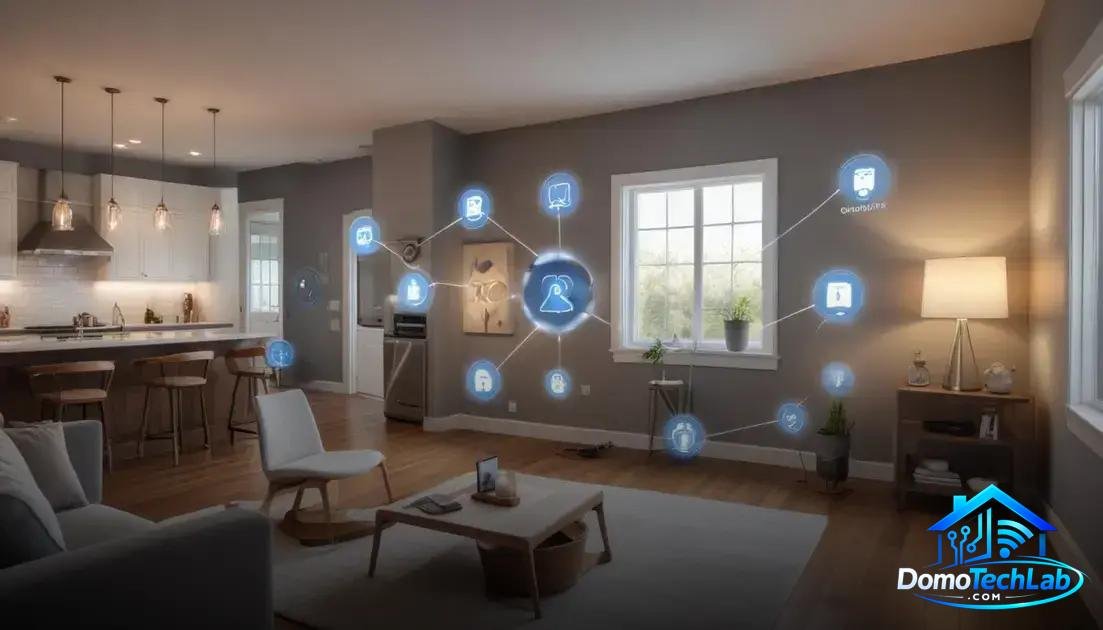
The integration of devices into a smart ecosystem is crucial for optimizing savings on your electricity bill in your home. Smooth communication between devices enables local automation and better control of energy consumption.
Home Assistant as a Central Solution
By using Home Assistant, you can integrate devices operating under different protocols, such as Zigbee and Thread. This creates a central hub that manages and coordinates all components of the smart home, allowing for effective energy management.
Compatibility with Alexa and Google Home
Compatibility with voice assistants like Alexa and Google Home provides an additional layer of control through voice commands. This not only offers convenience but optimizes the use of smart devices such as lights, plugs, and thermostats.
Performance in the Real World
The performance in the real world of home automation systems is an essential indicator of their effectiveness in terms of energy savings. Latency, privacy, and stability are factors that need to be considered in the daily use of these devices.
Latency in Automated Systems
Tests conducted in controlled environments have shown that increasing the number of devices on the network can lead to an increase in latency. Implementing Zigbee or Thread instead of relying solely on Wi-Fi can significantly reduce latency, providing nearly instantaneous responses in device activation.
Data Privacy and Security
Local stability is crucial for maintaining privacy. By processing data on the local network instead of sending it to the cloud, the risks of exposure are minimized. This setup allows better control over your devices, ensuring that your personal data remains more secure.
Energy Saving Strategies
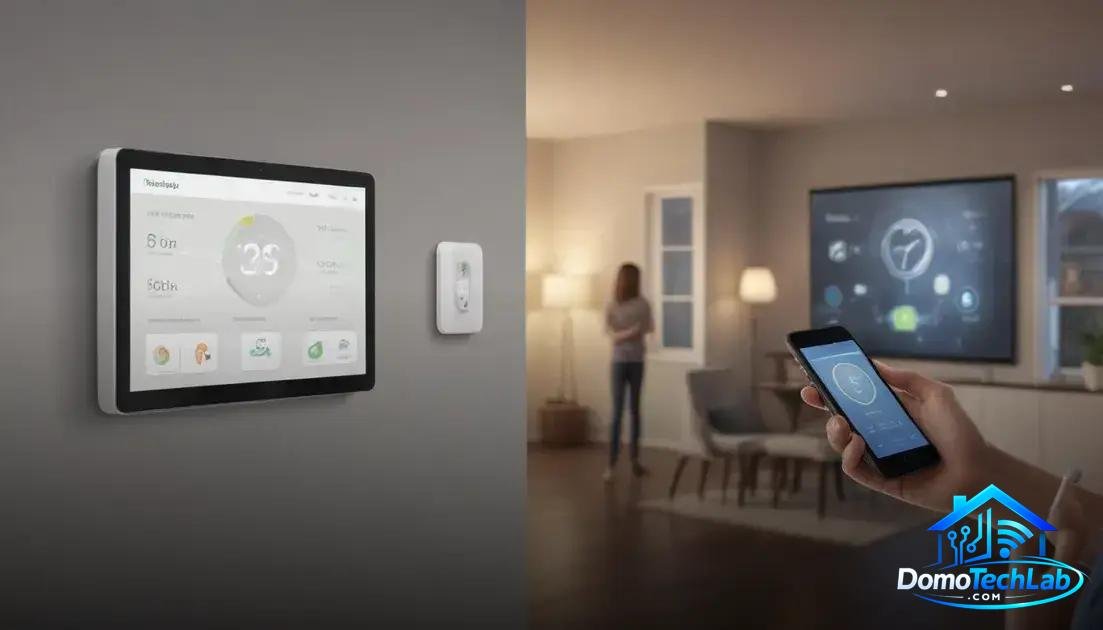
Energy saving strategies are essential for reducing the electricity bill in a smart home. Implementing solutions that optimize device usage can lead to significant long-term savings.
Scheduling Automation
Setting schedules for devices like bulbs and smart plugs ensures that they are only active when truly needed. This translates to more efficient energy use, avoiding unnecessary consumption during unused hours.
Energy Consumption Monitoring
Utilizing an energy monitoring system allows you to identify which devices are the biggest consumers. Tools integrated into platforms like Home Assistant can report consumption in real-time, helping you make informed decisions about usage and automation.
Conclusion: Save on Your Electricity Bill with Local Automation
Implementing local automation in your smart home not only enhances comfort but also offers effective control over your energy consumption. At DomoTechLab, we are committed to providing the information and tools needed to maximize energy efficiency through technologies like Zigbee and Home Assistant.
We encourage you to continue exploring our guides and resources to optimize every corner of your home, ensuring that your automation system works in your favor, generating significant savings on your electricity bill.
Frequently Asked Questions about Saving on Electricity Bill
How can I ensure compatibility between devices?
Check if the devices you want to use are compatible with your central hub, such as Home Assistant, which supports various protocols like Zigbee and Thread. Consult specifications and user forums for recommendations.
What is the main challenge when integrating devices from different manufacturers?
The main challenge is interoperability. Some devices may not work correctly together, especially if they do not follow a common standard. Using a protocol like Matter can help mitigate these issues.
Do motion sensors consume a lot of energy?
Most motion sensors designed for smart homes are very efficient. They use technologies like Zigbee, which consumes little energy, contributing to savings on your electricity bill.
Can I schedule operating hours for smart plugs?
Yes, you can schedule times for smart plugs using control apps that allow you to set when they should turn on or off, contributing to energy savings.
What should I do if the network freezes when adding more devices?
Check the capacity of your central hub and consider using an additional hub or devices that act as repeaters. Keeping high-bandwidth-consuming devices, like cameras, separate from the main network helps improve stability.
Is it possible to use devices from different protocols in the same system?
Yes, but you will need a hub that supports multiple protocols, such as Home Assistant. This will allow you to integrate devices from different technologies, maximize efficiency, and simplify control.