
Sleep quality sensors, such as those located under the mattress, use advanced technologies like Zigbee and Wi-Fi to monitor sleep patterns and ensure an optimal resting environment, easily integrating into smart home automation systems.
Sleep quality sensors are transforming the way we understand our rest. Without the need for uncomfortable devices, you can obtain accurate data about your sleep cycles and heart rate. Would you like to know how these sensors can improve your nighttime experience?
Fundamentals and Sleep Monitoring Protocols
Sleep quality sensors rely on a variety of protocols that allow for the precise measurement of different parameters throughout the night. These devices use advanced technologies to analyze sleep cycles and detect issues such as apnea.
Most Common Protocols
Among the highlighted protocols are Wi-Fi, Zigbee, and Bluetooth. Each offers specific advantages; for example, Zigbee is known for its low energy consumption and effectiveness in mesh networks, facilitating communication between devices without interference.
Sensor Integration
The ability to integrate these sensors with home automation platforms, such as Home Assistant or Google Home, allows for more efficient management and real-time data analysis. This provides valuable insights into your sleep patterns and environment, automatically adjusting the lighting or temperature of the room to enhance your rest.
Sensor Integration in the Smart Home
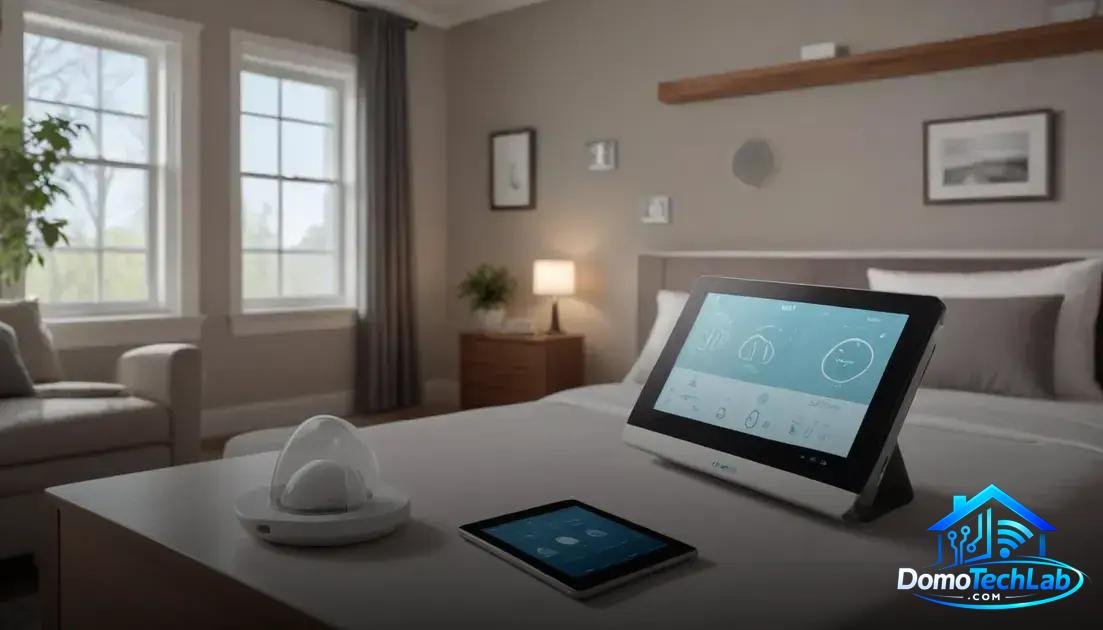
Integration of sleep quality sensors in a smart home is essential for optimizing rest. These devices can connect to systems like Home Assistant or Google Home, allowing for active management of your environment during the night.
Benefits of Integration
By integrating these sensors, you can monitor your sleep patterns and the environment in which you sleep in real-time. For example, if the sensors detect low sleep quality, the room’s lighting and temperature can be automatically adjusted to facilitate better rest.
Device Interoperability
Interoperability is key in a smart home. Devices from different brands and technologies, such as Zigbee and Wi-Fi, can work together to provide you with a robust monitoring ecosystem. This flexibility ensures that you can optimize your sleep experience with the best available devices.
Performance in Sleep Quality
Performance in sleep quality is a critical aspect that sleep sensors must address. These devices provide valuable information on how environmental and biological factors affect rest. With accurate data, users can make informed decisions to improve their nighttime well-being.
Measuring Sleep Patterns
Sensors can identify different sleep cycles, including light, deep, and REM sleep. This data allows for the evaluation of sleep efficiency, revealing whether time in bed translates into restorative rest. Bluetooth and Zigbee technology facilitates the transmission of this information to mobile applications for more detailed analysis.
Impact of Lighting and Noise
Studies show that lighting and noise can significantly affect sleep quality. Sensors not only monitor sound and light in the room, but they also interact with other smart home devices. For example, if the sensor detects external activity or noise, it can automatically activate smart curtains to reduce light and improve the sleep environment.
Comparison of Monitoring Technologies
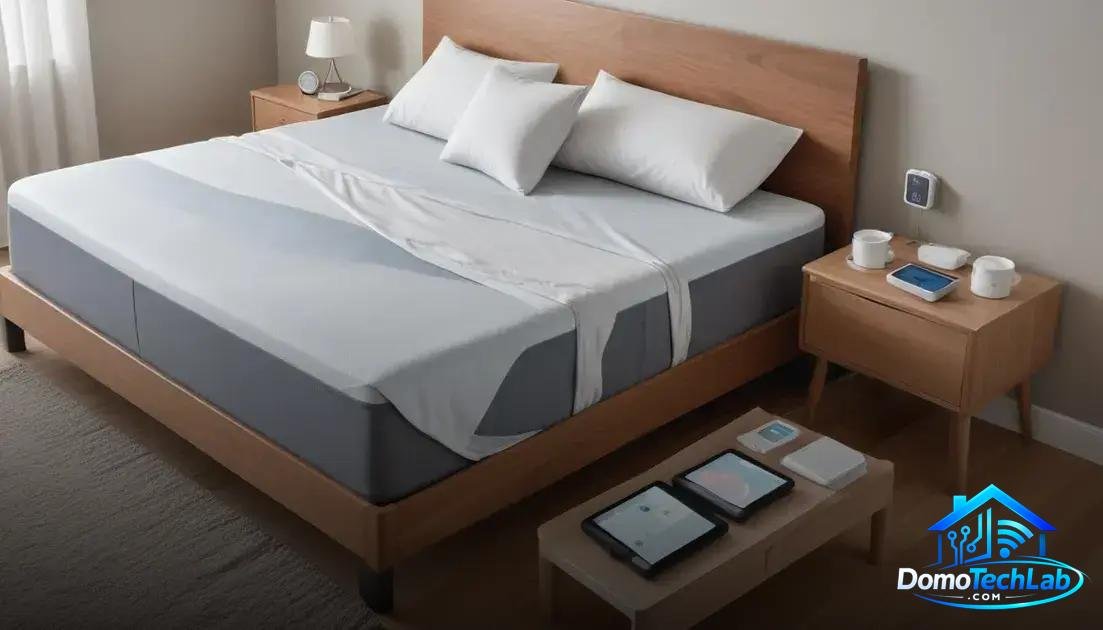
When considering monitoring technologies for sleep quality, it is essential to conduct a strategic comparison among the different available options. Each technology offers unique features that can influence your choice of devices.
Under-Mattress Sleep Monitors
These sensors use ultrasound or pressure sensors to measure movements and the sleeper’s breathing. They are discreet and do not interfere with the comfort of rest, making them a popular option. However, accuracy may be affected by the mattress quality and the sleeper’s position.
Smartwatches and Fitness Bands
These devices offer a range of functionalities, including heart rate monitoring and sleep cycle analysis. They connect via Bluetooth and provide real-time analysis, favoring sports monitoring. The downside is that they may be uncomfortable for some people while sleeping, which could affect sleep quality.
Smart Bed Sensors
Finally, sensors specifically designed for beds integrate multiple technologies, including Zigbee and Wi-Fi. These devices collect data more comprehensively, offering insights into sleep quality and the environment. Integration with other home systems can lead to more efficient control of the resting environment.
Conclusion: Improve Your Rest with Sleep Quality Sensors
Implementing sleep quality sensors in your smart home not only optimizes your rest but also gives you local control that enhances the efficiency of your nighttime environment. At DomoTechLab, we are committed to providing you with the knowledge and tools necessary to make the right technological decisions and improve your quality of life.
We encourage you to explore more about the various technologies and their integration into local automation systems. Your well-being is our priority, and with the right decisions, you can transform your way of resting.
Frequently Asked Questions about Sleep Quality Sensors
Are sleep quality sensors compatible with devices from different brands?
Compatibility depends on the technology used. Sensors that operate with standard protocols like Zigbee or Wi-Fi typically integrate easily with home automation platforms, allowing for interoperability between brands.
Can multiple sensors be used on the same bed?
Yes, it is possible to use multiple sensors to collect data from different sleepers. However, it is important to ensure that the sensors are compatible with each other and do not interfere with measurements.
Which technology is most effective for measuring sleep quality?
Under-mattress sensors that use ultrasound and pressure typically offer accurate data on movements and breathing, while wearable devices also provide complementary metrics such as heart rate.
Can I integrate sleep quality sensors into my existing automation system?
Yes, most sensors can be integrated into existing systems like Home Assistant or Google Home, allowing for automations based on the collected sleep data.
What challenges might I face when using sleep sensors?
Some challenges include proper device calibration, interference from other objects on the bed, and potential distrust in the data interpretation, which requires careful analysis.
How can I ensure the privacy of my data when using sleep sensors?
It is essential to choose devices that offer data encryption and store information locally if possible. Reviewing the manufacturer’s privacy policy is also a good practice.