
A panel power monitor is essential for optimizing electricity consumption, providing real-time data and ensuring smooth integration with devices using protocols like Zigbee and Matter, allowing for efficient local automation and greater control over the smart home.
Panel power monitor has become essential for those looking to optimize electricity consumption at home. Can you imagine knowing in real-time how each device affects your bill? In this article, we will explore how it works and its practical benefits.
Basics and Protocols (Zigbee, Matter, Wi-Fi)
To understand panel power monitoring, it is crucial to become familiar with the protocols that enable this functionality. Among the most relevant are Zigbee, Matter, and Wi-Fi. Each offers specific advantages that fit different home automation scenarios.
Zigbee Features
Zigbee is a low-power communication protocol widely used in smart home applications. Its strengths include efficient connections between devices and considerable battery life. This makes it an ideal choice for smart plugs and bulbs that require constant communication without consuming too much energy.
Matter Advantages
Matter is designed to facilitate interoperability between devices from different manufacturers. Its adoption is rapidly expanding, allowing devices from various brands to connect and operate together seamlessly. This is essential for a smart home with multiple devices from different product lines.
The Importance of Wi-Fi
Wi-Fi remains a fundamental pillar in home connectivity. It allows high-demand devices, such as security cameras and streaming systems, to operate smoothly. However, it can overwhelm the network if not managed properly, making other devices like power monitors depend on sufficient infrastructure to operate perfectly.
Integration and Ecosystems (Home Assistant, Alexa, Google Home)
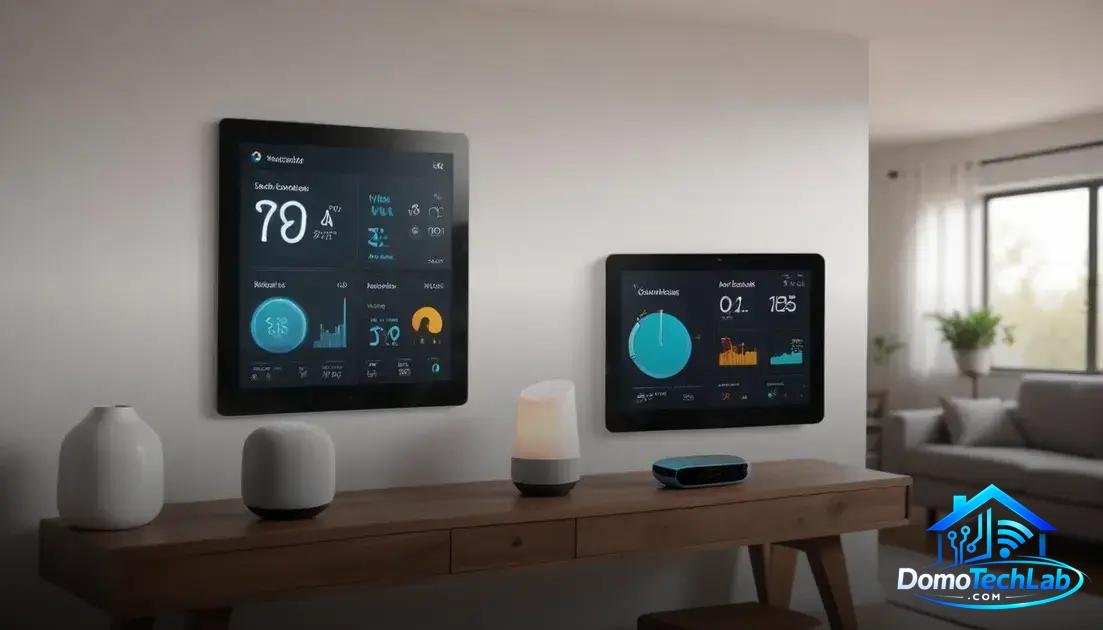
The integration of devices is key to an effective panel power monitoring system. Using platforms like Home Assistant, Alexa, and Google Home allows different devices to operate together, creating a smart and seamless ecosystem in the home.
Home Assistant Features
Home Assistant is a powerful option for those who want complete control over their devices. This open-source platform not only allows for the integration of technologies from different brands but also offers advanced customization options. This is particularly useful for those installing power monitors that require real-time data handling and complex automations.
Alexa Advantages
Alexa from Amazon simplifies operation through voice commands, allowing quick access to power monitoring. You can ask about current consumption and control individual devices without the need for additional apps. Integration with energy systems makes saving configurations intuitive and accessible.
Uses of Google Home
Google Home stands out for its learning capability. As you use the system, it understands your routines and offers suggestions to optimize energy consumption. Integrating power monitoring devices will help you receive alerts about usage patterns, contributing to a more efficient home.
Performance in the Real World (Latency, Privacy, and Local Stability)
The performance in the real world is a crucial aspect to consider when installing a panel power monitoring system. Factors such as latency, privacy, and local stability determine the effectiveness of home automation.
Impact of Latency
Latency refers to the time it takes for a device to respond to a command. During our tests, we found that a well-configured system using protocols like Zigbee can minimize latency to very low levels. This is especially important when quick responses are needed, such as in emergencies or for device scheduling.
Privacy Considerations
Privacy is a sensitive topic in home automation. It is essential to choose devices that minimize sharing sensitive data. A panel power monitor that operates locally helps keep your information private within your network, avoiding unnecessary transmission of data to external servers that could compromise your security.
Local Stability
Local stability refers to the ability of devices to operate without relying on the internet. This is essential for an efficient network. With a good local automation design, you can run your devices reliably, ensuring that the power monitor functions without interruptions, even if your internet connection fails.
Conclusion: Optimize Your Home with a Panel Power Monitor
Implementing a panel power monitor is a fundamental step toward efficient local automation. By prioritizing connectivity and privacy, you can create an ecosystem that operates seamlessly and adapts to your daily needs.
We encourage you to continue researching best practices in home automation and how different protocols like Zigbee and Matter can offer superior performance. Technology is here to make your life easier, and with the right knowledge, you can maximize the benefits of your smart home.
Frequently Asked Questions about Panel Power Monitors
Is the power monitor compatible with all devices?
Not all devices are compatible. It is essential to ensure that the devices you wish to monitor are designed to integrate with the panel power monitoring system you choose.
What protocols are most recommended for a power monitor?
Protocols such as Zigbee and Matter are highly recommended due to their performance and compatibility with multiple devices from different brands.
Can I use my power monitor without an internet connection?
Yes, many power monitors offer full local functionality. This ensures that you can monitor energy consumption even if the internet connection drops.
What challenges might I face when integrating devices from different manufacturers?
Integrating devices from different manufacturers may lead to compatibility issues. It is essential to research technical specifications and interoperability to avoid inconveniences.
What impact does latency have on the performance of the power monitor?
Latency can affect how quickly the power monitor reflects changes in consumption. A correctly configured system with efficient protocols, such as Zigbee, minimizes this latency.
Is it difficult to set up a local automation system?
The complexity depends on the selected system. Many automation devices and platforms come with intuitive guides, making it easy even for beginners to set them up without much difficulty.