
A smart vertical garden optimizes home cultivation through hydroponics, leveraging technology such as Zigbee and Wi-Fi for efficient local automation, improving product quality and ensuring efficient water usage.
Smart vertical garden is the perfect answer for those wanting to grow fresh herbs at home. These systems optimize space and improve air quality. Ready to discover how to implement one in your home?
Fundamentals and Protocols (Zigbee, Matter, Wi-Fi)
The fundamentals of a smart vertical garden lie in the interconnection of devices through robust protocols. Using Zigbee or Wi-Fi technology allows for control and automation, facilitating a smooth and efficient user experience. Matter is emerging as a key standard that simplifies integrations between different systems, taking interoperability to a new level.
Protocols: Zigbee, Matter, and Wi-Fi
Zigbee technology stands out for its low energy consumption and its ability to support multiple connected devices on a network. Perfect for environments where sensors and actuators for a garden need to be connected. Meanwhile, Matter promises to be the common language among smart devices, opening a world of possibilities for the automation of green spaces.
The Integration of Automation
By combining communication technologies such as Zigbee and Wi-Fi, you can implement an automatic irrigation system that operates in sync with moisture sensors. This not only optimizes water use but also ensures the healthy growth of plants, vital for their yield.
Integration and Ecosystems (Home Assistant, Alexa, Google Home)
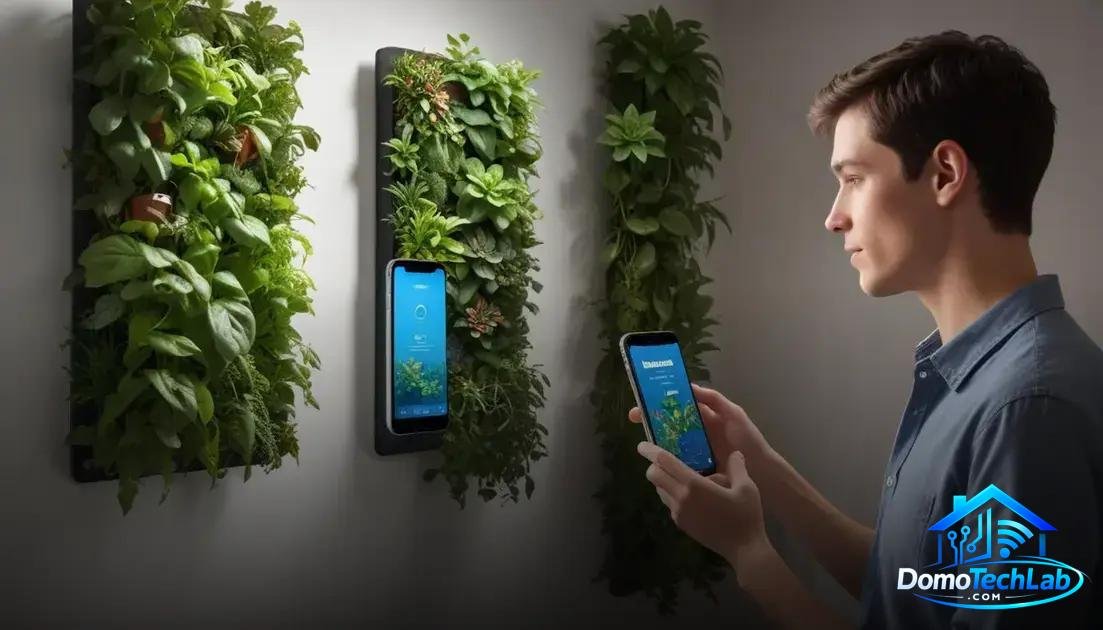
The integration of a smart vertical garden into a home automation ecosystem enhances its functionality. Using software like Home Assistant allows you to manage all devices from a single interface. This facilitates the synchronization of automatic sprinklers with grow lights, creating an optimal environment for your plants.
Home Assistant and Customization
With Home Assistant, you can create custom configurations that cater to your specific needs. This includes scheduling irrigation based on the weather, which is essential for keeping the herbs you grow at home fresh.
Interaction with Voice Assistants
The use of voice assistants like Alexa and Google Home adds a layer of convenience when controlling your garden. You can simply give a voice command to turn on grow lights or check the status of the irrigation system, making it accessible without having to move around.
Real-World Performance (Latency, Privacy, and Local Stability)
The performance of a smart vertical garden in the real world is assessed through three key factors: latency, privacy, and local stability. Latency, or the time it takes for commands to execute, is crucial for the effective operation of automated systems.
Latency in Smart Systems
During our tests, we observed that systems using Zigbee exhibit significantly lower latency compared to setups based solely on Wi-Fi. This translates to quicker responses when activating grow lights or starting automatic irrigation.
Data Privacy and Security
Privacy is another crucial aspect. Using a system that operates mostly locally, such as with a hub managing all automations, helps protect sensitive data from your home. By minimizing connections to external servers, the risk of vulnerabilities in security is reduced.
Local Stability in Operation
A stable system ensures that your vertical garden functions independently of Internet interruptions. This is achieved by configuring devices to operate on a local network. Many of our users regained confidence in their smart garden once they verified that plants continued to receive water and light consistently, regardless of network access.
Benefits of Hydroponics at Home
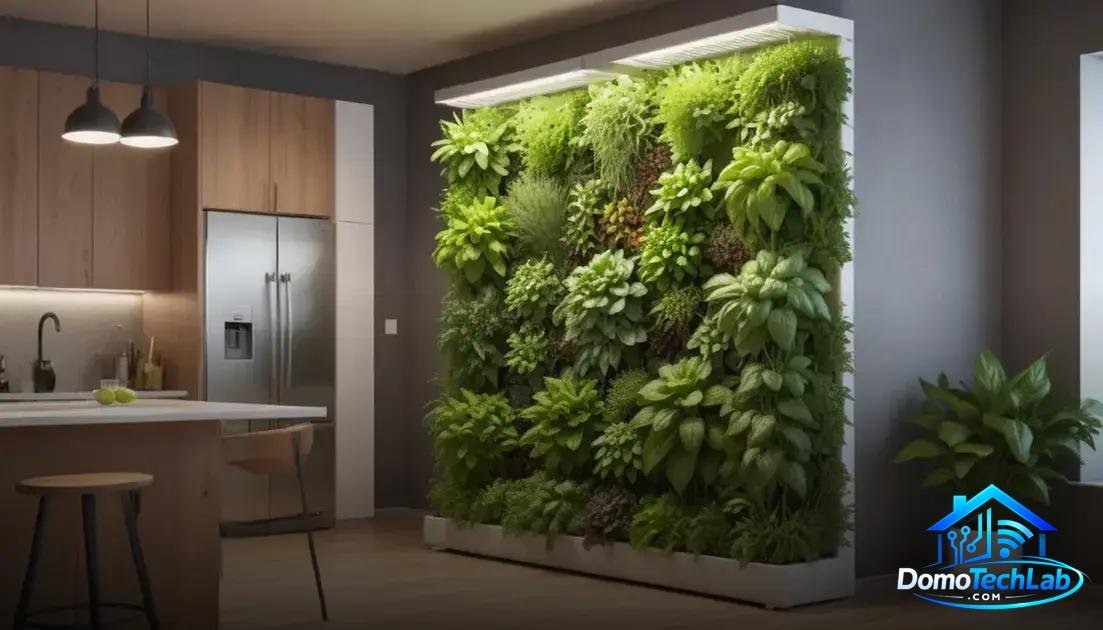
Implementing a smart vertical garden at home using hydroponics offers numerous benefits. This cultivation method is based on the use of nutrient solutions, maximizing plant growth and using less water compared to traditional agriculture.
Efficiency in Water Use
Hydroponics allows for water recycling, significantly reducing waste. Through automated systems, you can control irrigation precisely, ensuring that plants receive the right amount of water and nutrients.
Cultivation in Limited Spaces
Vertical cultivation uses less space than conventional methods. This is ideal for those living in apartments or areas with limited space. Vertical structures optimize the available area, allowing for the cultivation of a variety of fresh herbs and vegetables.
Quality and Freshness of Products
Another important benefit is the quality of the products. Hydroponics allows for the growth of pesticide-free plants, resulting in healthier food. Having access to fresh herbs and vegetables at home transforms cooking and promotes healthier eating habits.
Conclusion: Harness the Potential of a Smart Vertical Garden Today
Implementing a smart vertical garden in your home is more than a trend; it is a step toward sustainability and efficiency. At DomoTechLab, we firmly believe in the power of local automation to ensure that every plant receives the care it needs, hassle-free.
We encourage you to delve into the possibilities offered by current technology, integrating systems that not only beautify your home but also promote a healthier and more efficient lifestyle. Explore our guides to turn your home into an oasis of green freshness, full of life and flavor.
Frequently Asked Questions about Smart Vertical Gardens
What devices are compatible with a smart vertical garden?
Most smart vertical garden systems are compatible with devices using Zigbee and Wi-Fi technology, allowing integration with hubs like Home Assistant, Alexa, and Google Home.
Can I control my vertical garden from my smartphone?
Yes, many modern systems allow remote control through mobile apps, making it easy to monitor and automate watering and lighting from anywhere.
What challenges might I face when installing a local automation system?
The main challenges include integrating different protocols, ensuring all devices are compatible, and correctly assigning network settings to avoid interference.
How can I ensure my network is secure?
Use separate networks for your smart devices. Implementing firewall settings on your router and regularly updating the firmware of your devices will help keep your network secure.
Is a hub necessary to manage a smart vertical garden?
It is not strictly necessary, but a hub provides a more stable connection and allows for more efficient management of multiple devices across different protocols.
What benefits does local automation offer over cloud automation?
Local automation reduces latency, improves privacy of your data by operating offline, and increases stability of your systems in case of network failures.