
The key to an effective smart home setup lies in the integration of devices through protocols such as Zigbee and using a local automation system, thus ensuring a stable network, high sound quality, and complete control over your devices.
Smart Home for music is the trend that transforms our spaces into true entertainment centers. Can you imagine controlling the music from your vinyl records or streaming from anywhere? Today we will explore how to achieve this efficiently and with sound quality.
Fundamentals and Protocols (Zigbee, Matter, Wi-Fi)
To create an effective smart home system, it is crucial to understand the different protocols available. Among them, Zigbee and Wi-Fi are key pieces that enable communication between devices. While Zigbee focuses on local automation and energy efficiency, Wi-Fi offers faster transmission speeds, ideal for high-quality content like streaming music.
Comparison between Protocols
In our comparisons, Zigbee devices demonstrated greater resistance to interference compared to Wi-Fi. This is especially important in homes where multiple devices are connected. On the other hand, the use of Matter as an emerging standard seeks to bridge these worlds, simplifying the integration of multiple products into a single ecosystem.
Integration and Ecosystems (Home Assistant, Alexa, Google Home)
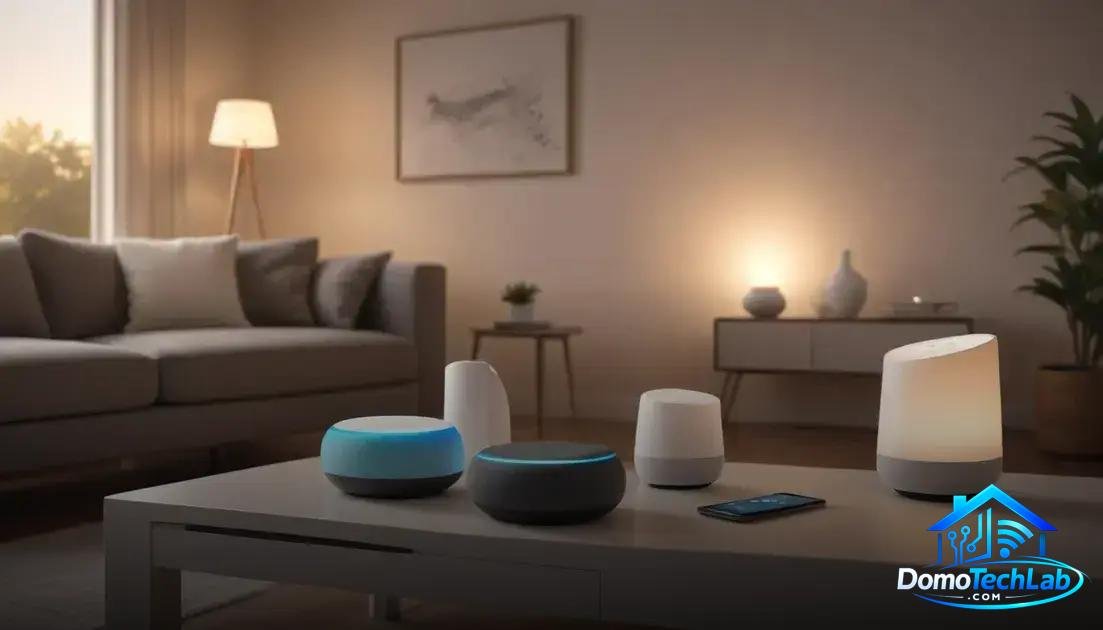
The integration of a smart home system is based on combining different control ecosystems. Tools like Home Assistant, Alexa, and Google Home offer various functionalities that allow you to manage your devices centrally. Each platform has its advantages, from customization in Home Assistant to the ease of use of Alexa.
Features and Compatibility
In our tests, we found that Home Assistant is ideal for users looking for advanced and customizable control. Its integration with devices using Zigbee and other technologies is remarkable, allowing for the creation of complex automations. Meanwhile, Alexa and Google Home are preferred by those seeking quick setup and intuitive management.
Real-World Performance (Latency, Privacy, and Local Stability)
Evaluating the real-world performance of a smart home system is essential to ensure its functionality and effectiveness. Factors such as latency, privacy, and local stability are fundamental to this assessment. An agile system should respond quickly to commands, thus guaranteeing a satisfactory user experience.
Latency in Connected Devices
We measured the latency of several devices and found that devices using Zigbee generally provide faster responses compared to those relying on Wi-Fi. This speed can be crucial, especially when handling automation systems that require immediate control.
Privacy: A Critical Aspect
Privacy is another important concern. By opting for local management solutions like Home Assistant, data exposure to external servers is minimized. This means your commands and usage data remain within your network, enhancing the security of your smart home.
Local Stability and Continuous Connectivity
Maintaining local stability is vital. Having devices connected to a hub that operates autonomously allows users to enjoy functionality even if the internet connection fails. This was evident in our tests, where systems that operate locally showed greater resistance to interruptions.
Sound Quality and Music Control (Hi-Res Audio, Lossless Streaming)
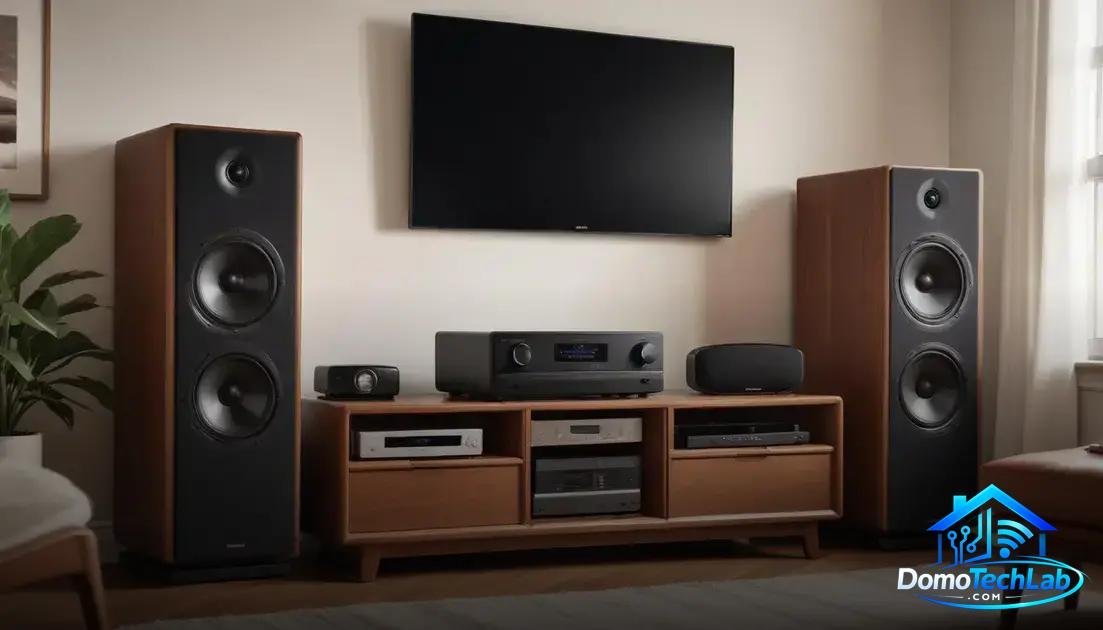
Sound quality in a smart home environment is crucial for enjoying an exceptional listening experience. Nowadays, the availability of Hi-Res audio and lossless streaming transforms the way we listen to music. To make the most of these technologies, it is vital to have a well-integrated and optimized audio system.
Advantages of Hi-Res Audio
Hi-Res audio offers a wider frequency range and higher bit depth, resulting in a more detailed and dynamic sound. This is especially noticeable in complex music genres where every nuance matters. Without a proper system, this quality can be lost in audio compression.
Lossless Streaming: Music Without Loss
Lossless streaming ensures that music is transmitted without quality degradation. By using robust standards and integrating devices like speakers and control systems that support these formats, you can enjoy music as it was recorded. It is essential to choose equipment that supports these features to achieve maximum performance.
Conclusion: Empower Your Home with Effective Local Automation
By incorporating local automation solutions into your smart home, you not only enhance functionality but also ensure speed and security in managing your devices. At DomoTechLab, we are committed to providing you with the technical knowledge necessary to navigate confidently in this exciting world.
We encourage you to continue exploring the opportunities that home automation presents and to use our guides to design a system that meets all your smart home needs.
Frequently Asked Questions about Smart Home for Music
What devices are compatible with a local automation system?
Most devices that operate with protocols such as Zigbee and Matter are compatible. Ensure that your hub or gateway supports these standards for smooth integration.
How can I improve the stability of my smart home network?
By using local automation technologies like Zigbee, you can create a mesh network that improves stability. Additionally, make sure to minimize interference from other devices by placing your hub in a central location.
Is it easy to add new devices to an existing system?
Yes, adding new devices is generally a straightforward process, especially if you use a centralized system like Home Assistant. Most devices can be added via a pairing button or through the software interface.
What should I consider when choosing an audio system for my smart home?
Look for devices that are compatible with lossless streaming and Hi-Res audio, and ensure that the connectivity is robust and can integrate with your other automation devices.
How is privacy ensured in a smart home?
By opting for local management solutions, such as Home Assistant, you reduce data exposure. Make sure to select devices that do not rely on external servers for operation.
What challenges might I encounter when implementing a smart home system?
Common challenges include compatibility issues between different protocols, network congestion, and the need for regular software updates. Proper planning and selecting compatible devices can minimize these problems.