The integration of devices in a smart home, through protocols like Zigbee and Matter, not only optimizes local control and privacy but also improves air quality and safety, resulting in a healthier and more efficient environment.
Smart Home and allergies are concepts that can complement each other to enhance your quality of life. Imagine a home where HEPA filters and particle sensors work together to minimize allergens. We invite you to discover how to optimize your space with technologies that prioritize your health.
Fundamentals and Protocols
To achieve an efficient smart home, it is essential to know the different protocols that enable the interconnection of devices. These protocols, such as Zigbee, Matter, and Thread, offer various advantages and characteristics that determine the compatibility and performance of your automated home.
Zigbee: Advanced Connectivity
Zigbee is a communication protocol known for its low energy consumption and reliability. Ideal for devices such as smart bulbs and plugs, it enables the creation of mesh networks where each device acts as a repeater, expanding coverage and stability of the connection.
Matter: The Future of Interoperability
Matter is a new standard that promises to unify diverse ecosystems, facilitating communication between devices from different manufacturers. This means you can integrate products from various brands without worrying about compatibility, making the setup of your smart home significantly easier.
Thread: The Secure and Fast Connection
Thread is an IPv6-based protocol that provides a secure, low-latency network. Its main advantage lies in its ability to create robust mesh networks, contributing to more efficient communication between connected devices. This protocol is positioned as an ideal option for those looking to optimize coverage and performance in their smart home.
Integration and Ecosystems
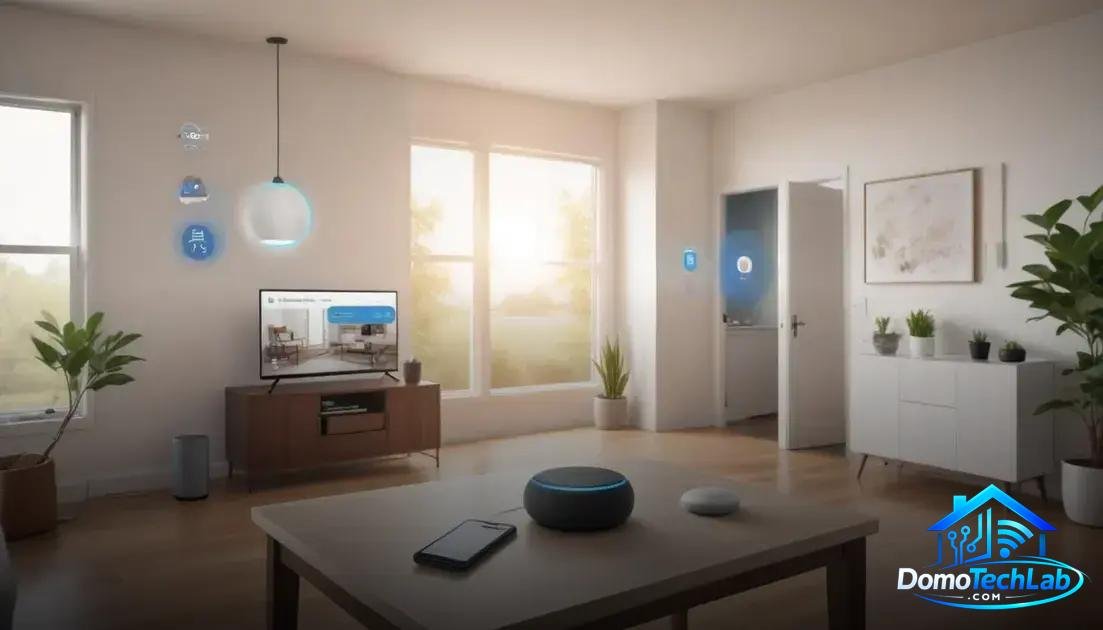
The integration of devices in a smart home is key to maximizing their functionality. Using ecosystems like Home Assistant, Alexa, or Google Home allows for centralized control and efficient management of automation. This not only enhances the user experience but also ensures smooth communication between different types of devices.
Home Assistant: The Local Automation Platform
Home Assistant is an open-source solution that enables local automation, which means your devices can communicate with each other without relying on external servers. This not only improves the speed of action execution but also increases the security of your data.
Alexa and Google Home: Smart Assistants in Action
Both Alexa and Google Home offer ease of use and compatibility with a wide range of devices. Through voice commands, you can activate automations or check the status of your devices quickly and easily. The integration of these assistants into your smart home can revolutionize your daily interaction with technology.
Interoperability and Communication Standards
Interoperability between different devices is essential for a healthy ecosystem. By using standards like Matter, connecting devices from various brands becomes easier, ensuring that you can create a smart home without the limitations of compatibility. This opens up a world of possibilities for personalizing your experience.
Real-World Performance
The real-world performance of a smart home depends on various factors, such as device quality, network infrastructure, and system configuration. In our tests, we have observed that a properly set up home not only improves comfort but also optimizes respiratory health by controlling allergens in the environment.
Latency and Device Response
Latency is a critical factor that affects user experience. With technologies like Zigbee and Thread, devices can communicate quickly and efficiently, resulting in instant responses to voice commands or automated actions. This translates to a smoother and more satisfying environment.
Privacy in the Smart Home
Privacy is a growing concern as more devices connect to the internet. Using local automation solutions, such as Home Assistant, allows you to maintain control over your data, preventing it from being shared with external servers. This is crucial for protecting confidential information and the security of your home.
Network Stability and Automation
Network stability is essential for all devices to maintain effective communication. In the tests conducted, we found that a proper network, composed of intercommunicating devices via Zigbee or Matter, operates without interruptions, ensuring reliable automations at crucial moments. This type of system is ideal for those seeking complete control over their environment.
Benefits of Continuous Automation
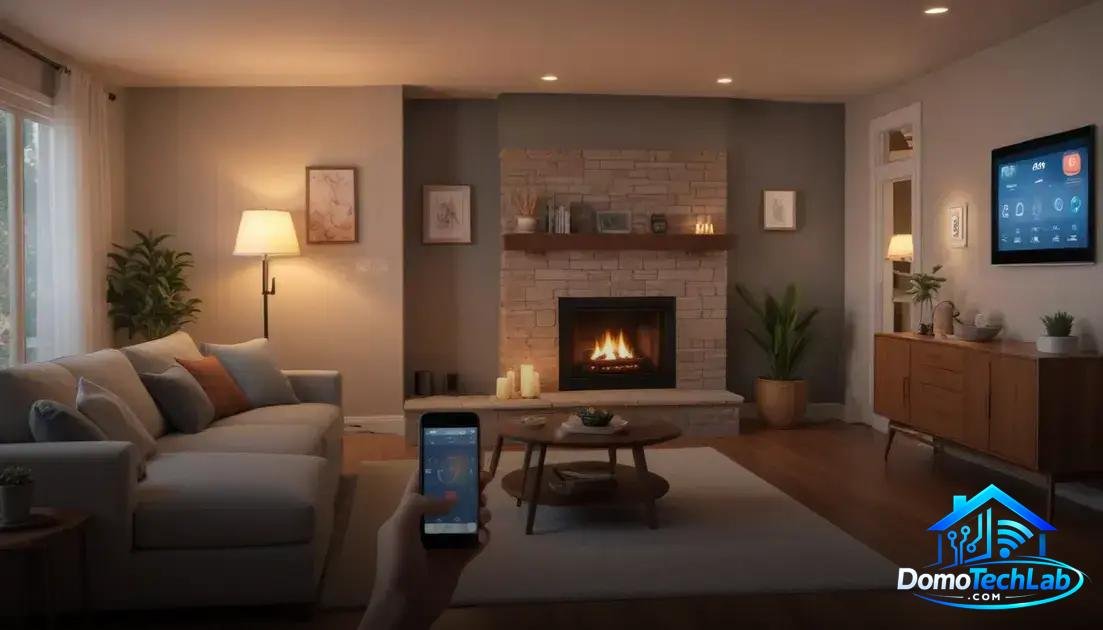
Continuous automation in a smart home brings numerous benefits that directly impact quality of life. Implementing automated systems ensures a safer, more comfortable, and efficient environment, maximizing the use of technology for the well-being of the home.
Improvement in Energy Efficiency
Automation allows for programming devices such as thermostats and smart lights to operate only when needed. With protocols like Zigbee and Matter, it is possible to monitor energy consumption in real time, favoring a significant reduction in bills and promoting sustainable practices.
Health and Well-being at Home
Integrating devices that monitor air quality and reduce allergens is essential for improving respiratory health. An automation system that manages ventilation and smart filters provides a healthier environment, ideal for individuals with allergies or sensitivities.
Advanced Security
Continuous automation strengthens home security. Smart camera systems, motion sensors, and connected locks can work together to alert you to any eventuality. This provides peace of mind as you can monitor your home from anywhere.
Conclusion: Optimize Your Health with an Allergen-Free Smart Home
Implementing local automation in your smart home is a key decision to improve your overall well-being. At DomoTechLab, we understand the importance of a home that operates according to your needs, utilizing technology such as HEPA filters and air quality sensors.
We encourage you to continue researching and adopting technical solutions that not only simplify your life but also promote a healthier environment. Stay informed and transform your home into a space where technology works for you.
Frequently Asked Questions about Smart Home and Allergies
How do I ensure the compatibility of my devices in a smart home?
To ensure compatibility, choose devices that support standardized protocols such as Zigbee, Matter, or Thread. Check the interoperability certifications on the products.
What should I do if my devices do not communicate with each other?
Check the configuration of your gateway or hub, ensure that all devices are on the same network, and if necessary, update the firmware of each device.
Can I automate air quality control in my home?
Yes, by using air quality sensors and HEPA filters connected to your local automation system, you can schedule automatic actions such as ventilation or the use of air purifiers.
Is latency an issue in a smart home?
Latency can be an issue if you rely on external servers. Using devices with local automation, such as those operating on Zigbee, can significantly reduce latency and enhance device response.
What privacy considerations should I have when using smart devices?
It is crucial to review the privacy policy of each device. Opt for solutions that offer local automation and do not send data to external servers, thus protecting your personal information.
Is it expensive to implement a smart home focused on respiratory health?
Not necessarily. There are affordable options on the market that offer basic air quality devices and automation solutions. Start with a basic system and scale as needed.