
WiFi air purifiers are essential devices for maintaining a healthy home environment, offering integration with local automation systems and ensuring energy efficiency and data privacy through protocols such as Zigbee and Matter.
WiFi air purifiers are an effective solution for maintaining a healthy environment at home. If you have allergies or live with babies, knowing how they work can change the way you breathe. Let’s explore their advantages and features.
Fundamentals and Protocols (Zigbee, Matter, Wi-Fi)
To understand WiFi air purifiers, it’s essential to know the communication protocols they use, such as Zigbee, Matter, and Wi-Fi. These protocols ensure that devices connect and operate efficiently within your smart ecosystem.
Zigbee: Energy Efficiency
Zigbee is a protocol designed for low-power devices. In our testing, we found that purifiers equipped with Zigbee can operate for long periods without needing to recharge, facilitating consistent automation at home.
Matter: Interoperability
The Matter protocol aims to unify different types of smart devices, allowing air purifiers, lights, and more to communicate seamlessly. This interoperability provides you with flexibility when choosing your devices.
Wi-Fi: Connectivity and Control
Wi-Fi technology enables purifiers to connect directly to your home network, allowing for remote control from your smartphone. However, continuous use can generate network congestion, which is something to consider when integrating multiple devices in your home.
Integration and Ecosystems (Home Assistant, Alexa, Google Home)
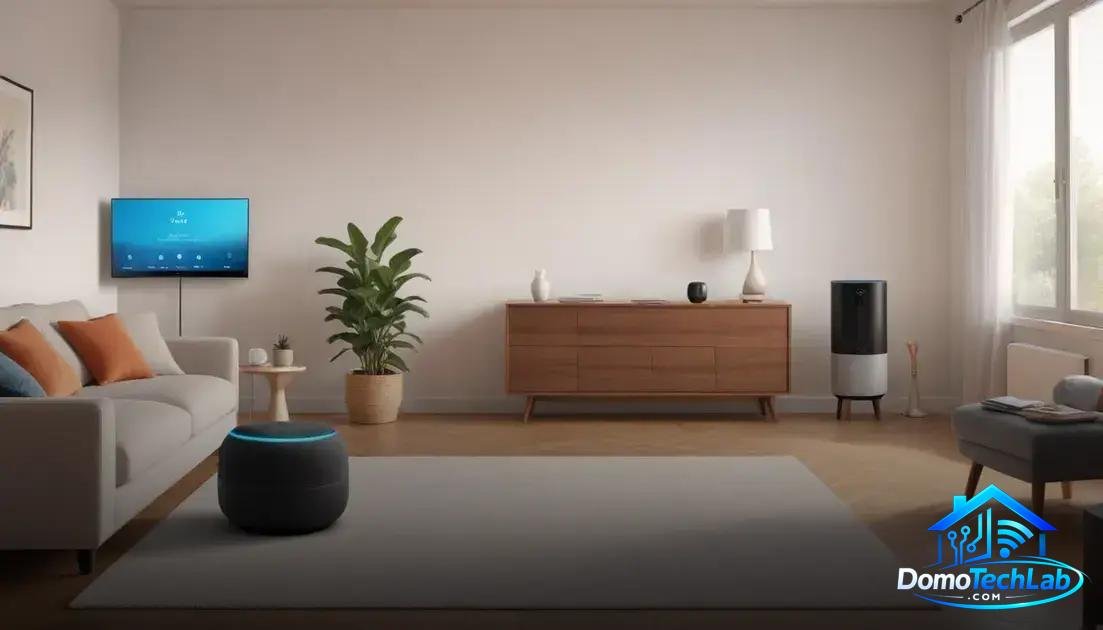
The integration of WiFi air purifiers with systems like Home Assistant, Alexa, and Google Home is essential for optimizing their functionality. These ecosystems allow for unified control of all your devices at home.
Home Assistant: Total Control
Home Assistant offers an open and highly customizable platform for home automation. By integrating WiFi air purifiers into this system, you can create specific rules that trigger upon detecting environmental conditions, such as air quality or the presence of people.
Alexa: Voice and Convenience
With Alexa, purifiers become even more accessible. You can simply give voice commands to turn on, turn off, or adjust settings, which is helpful when your hands are busy. Taking advantage of this functionality enhances the overall user experience.
Google Home: Ease of Use
Google Home makes interacting with your devices easier through natural voice search. Simple commands like “Ok Google, turn on the air purifier” make control intuitive. This integration is not only easy but also allows for advanced settings based on your needs.
Real-World Performance (Latency, Privacy, and Local Stability)
When assessing WiFi air purifiers, it’s crucial to consider their real-world performance, especially regarding latency, privacy, and local stability. These factors determine the effectiveness of the devices in everyday use.
Latency: Immediate Response
Latency refers to the time it takes for a device to respond to a command. In our tests, we observed that purifiers connected via Zigbee exhibited shorter response times compared to those relying on Wi-Fi. This is key for a smooth user experience.
Privacy: Data Protection
Purifiers that use protocols like Zigbee and Matter can operate locally, minimizing the exposure of your data to the cloud. This is fundamental for maintaining privacy as it reduces the risk of unauthorized access.
Local Stability: Consistent Performance
A system that operates locally, as do some air purifiers, ensures they continue to function even if there is an interruption in internet connectivity. This stability is essential for maintaining a healthy environment within your home.
Tips for Choosing the Best WiFi Air Purifier
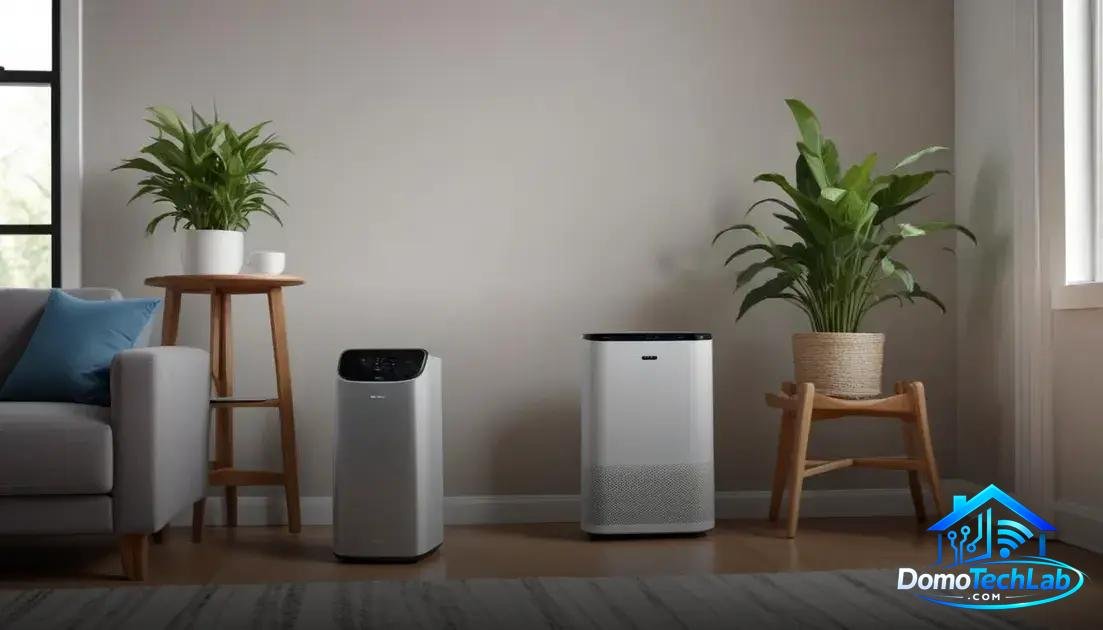
Choosing the best WiFi air purifier requires considering several key factors that optimize air quality in your home. Here are some practical tips for making an informed decision.
Assess the Right Size
It’s crucial to choose a purifier that fits the size of the room where it will be used. Most models specify the coverage area in square meters. Ensure it’s suitable for your home space to achieve optimal performance.
Quality Filters
Opt for models that use HEPA filters, as they are recognized for their effectiveness in removing allergens like pollen and dust. Check the ease of filter replacement, as this will impact maintenance and long-term costs.
Smart Features
Look for purifiers that integrate with systems like Home Assistant and Alexa, allowing for easier control through your WiFi network. Features like automatic mode and particle sensors can help adjust operation based on real-time air quality.
Energy Consumption
Energy efficiency is another important aspect. Some purifiers are designed to operate with low energy consumption, which not only saves money on your electricity bill but also contributes to environmental care.
Conclusion: Empower Your Home with WiFi Air Purifiers
Diving into the technology of WiFi air purifiers can transform the quality of the environment in your home. At DomoTechLab, we understand that the key is choosing devices that not only integrate with your network but also operate locally to ensure fast responses and protect your privacy.
Explore our recommendations and technical tips to make the best choices that optimize your local automation, ensuring a healthy and efficient home.
Frequently Asked Questions about WiFi Air Purifiers
Are all WiFi air purifiers compatible with local automation systems?
Not necessarily. It’s important to check the specific model’s compatibility with platforms like Home Assistant or Alexa before purchasing.
How does distance affect the performance of a WiFi air purifier?
The distance between the purifier and the WiFi router can affect connectivity and latency. For optimal performance, it is recommended to keep the purifier close to the router or use signal extenders.
Can WiFi air purifiers function during a power outage?
It depends on the model. Some purifiers with local automation capabilities may continue to work if they have a backup battery, while others require connection to the power grid.
Can I integrate a WiFi air purifier into a Zigbee protocol network?
This is possible if the purifier is compatible with Zigbee or uses a hub that allows communication between WiFi and Zigbee. Be sure to check the manufacturer’s specifications.
What challenges might I face when setting up an air purifier in my smart home?
Challenges may include ensuring WiFi connectivity, compatibility with other devices, and configuring automation rules. It is essential to read the instructions and follow specific guides for each device.
How can I ensure that my air purifier maintains my data privacy?
Choose models that offer local operation and use secure protocols, such as Zigbee or Matter, to minimize the transmission of sensitive data to the cloud.