
Custom lighting for model making is enhanced by integrating micro LEDs and WLED with local automation systems like Zigbee, creating dynamic and realistic environments in models and smart displays.
Smart home for collectors is an exciting trend that transforms how we light and showcase our creations. Can you imagine bringing your miniature models to life with dynamic lighting? Today we will explore practical solutions that will elevate your displays and model-making projects.
Fundamentals and Protocols
For any smart home, it is essential to understand the protocols that ensure communication between devices. Protocols like Zigbee, Thread, and Wi-Fi play a crucial role in this infrastructure.
Zigbee: Efficiency and Low Power Consumption
Zigbee technology is designed for low-power devices that need to communicate reliably in personal area networks. In our tests, we have observed that this technology optimizes the battery life of devices such as sensors and smart plugs.
Thread: Connectivity and Security
Thread stands out for its focus on secure connectivity between smart devices. It provides a robust way to communicate without relying on a central hub. This results in a more resilient network that is easier to expand as new devices are added.
Wi-Fi: Versatility and Speed
Wi-Fi offers the advantage of superior speeds for devices that require intensive data streams, such as security cameras and voice assistants. However, its energy consumption is higher, which can pose a challenge for devices that need to operate continuously.
Integration with Smart Home
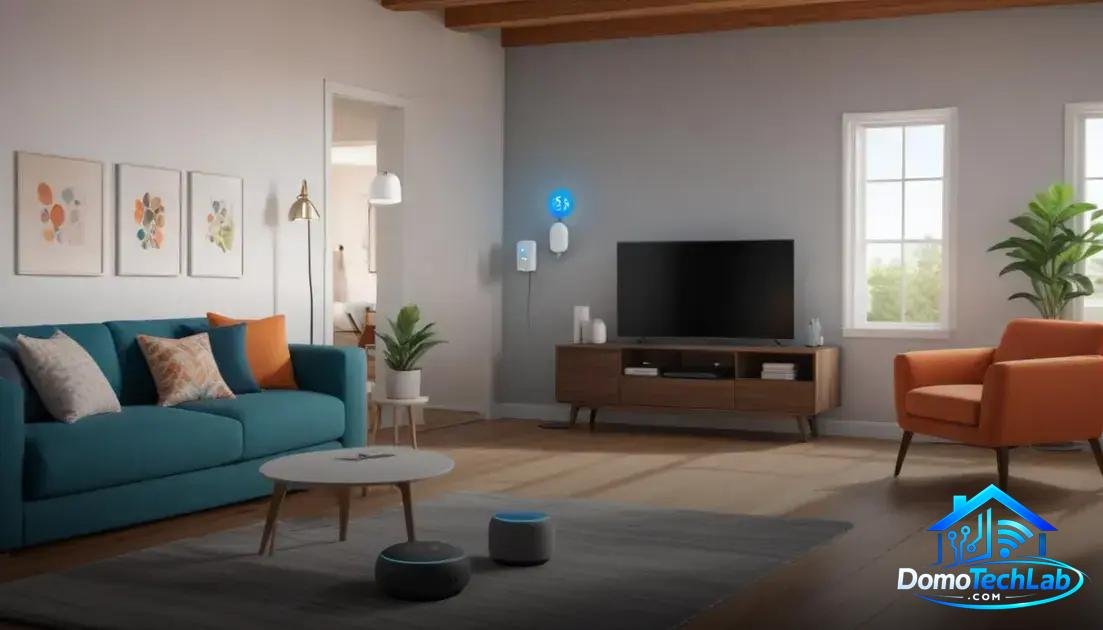
The integration with smart home is key to maximizing the functionality of your devices. Communication between different technologies allows for a cohesive ecosystem where everything works synergistically.
Home Assistant: The Command Center
Home Assistant has become one of the most popular platforms for home automation. It allows the integration of a wide range of devices, regardless of the protocol they use. During our tests, we found that its flexibility enables the configuration of custom routines and management of all devices from a single place.
Alexa and Google Home: Voice Assistants in Action
Both Alexa and Google Home facilitate the control of devices through voice commands. These assistants are compatible with multiple devices and provide an intuitive way to interact with your smart home. In the lab, we observed that their ability to understand multiple accents and varied phrases significantly enhances the user experience.
Interoperability: The Future of Smart Home
Interoperability is essential for an effective smart home. Initiatives like Matter promote common standards across devices from different brands. This not only ensures that all your devices work together, but also simplifies the choice of new devices by knowing they will be compatible with your existing system.
Performance in Real Environments
The performance in real environments is a critical aspect to evaluate the effectiveness of smart home systems. Not all devices operate the same way under everyday usage conditions. Lab tests are only a first step; the real challenge is how they behave in daily life.
Latency: A Key Factor
During our evaluations, latency has emerged as a crucial indicator. Devices using Zigbee and Thread typically show lower latency, positively impacting the user experience. For example, when triggering a switch, the system’s response must be immediate for a seamless experience.
Privacy and Security
Privacy is another important concern in real environments. Systems that depend on external servers can be vulnerable to attacks. In our experience, opting for solutions that operate locally reduces exposure risks and enhances user trust in their smart home. By customizing privacy settings, users can have greater control over their data.
Local Stability: Keeping Control
The stability of devices is essential, especially in low connectivity situations. Our tests have shown that local automation solutions function optimally even if there are network failures. This is especially valuable for critical functions like alarms and motion sensors.
Custom Lighting for Model Making
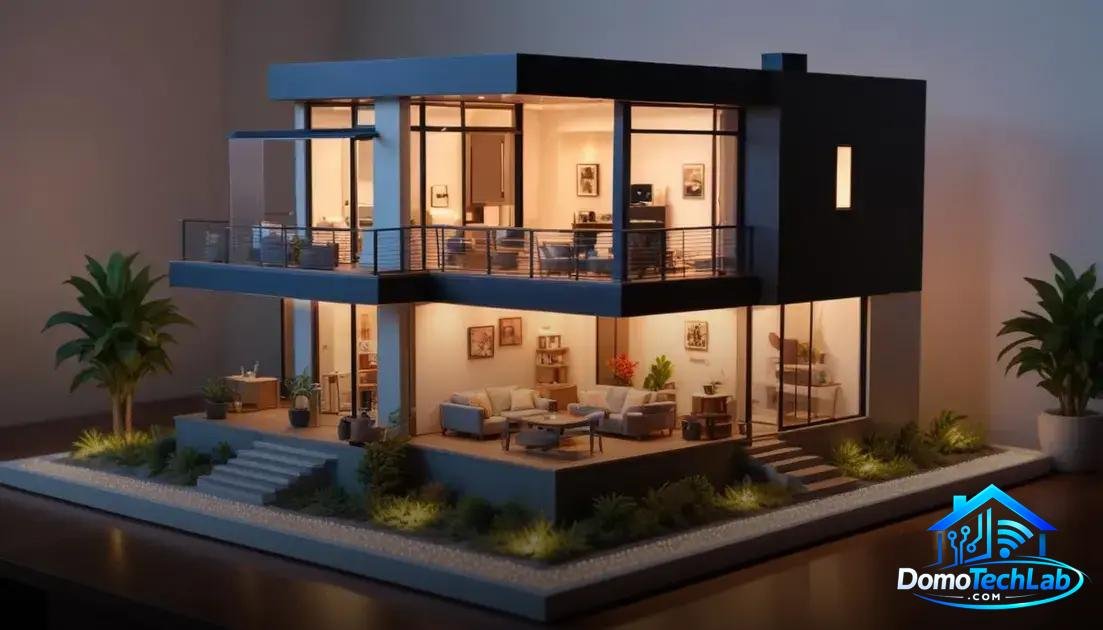
Custom lighting for model making not only enhances the aesthetics of the models but can also transform the visualization of small scenes and dioramas. The appropriate selection of lighting technologies is crucial to achieve realistic effects.
Lighting Options: Micro LEDs and WLED
Micro LEDs are ideal for models as they take up little space and offer intense brightness. On the other hand, WLED strips allow for versatile setups, perfect for achieving dynamic light effects. In our tests, both types have proven to enhance the overall appearance of the models, bringing them to life.
Integration with Smart Devices
By integrating lighting with smart home systems, such as Home Assistant or Alexa, lighting can be controlled through voice commands or mobile apps. This not only facilitates operation but also allows for the creation of customized scenes, increasing the interactivity of the models.
Local Automation: The Important Role
Local automation allows for managing lighting without relying on the internet. This is crucial, especially in competitions or exhibitions, where a disconnection could ruin the presentation. Our tests reveal that solutions based on Zigbee or Thread provide efficient and reliable management of lights in critical environments.
Conclusion: Empower Your Home with Local Automation
Local automation is the key to building a robust and reliable smart home system. At DomoTechLab, we understand that integrating technologies like Zigbee and Thread not only optimizes performance but also ensures the privacy and security of your data.
We encourage you to delve deeper into understanding these protocols and technologies, as they are fundamental to maximizing the functionality of your home. With the right information, you can make informed decisions that will positively impact your daily experience.
Frequently Asked Questions about Smart Home for Collectors
Can I use devices from different brands together?
Yes, as long as they are compatible with the same protocol, such as Zigbee or Thread. Tools like Home Assistant facilitate the integration of devices from different brands.
What should I do if some devices are unresponsive?
First, check the device connection to the hub. If the problem persists, restart both the device and the gateway. If it still does not respond, consult the manufacturer’s documentation for more information.
Is a mesh network with Zigbee better than a traditional Wi-Fi system?
A mesh network with Zigbee is more recommended for smart homes, as it improves coverage, reduces interference, and allows for communication between devices without relying on an internet connection.
How does latency affect the use of smart devices?
Latency can affect how quickly your devices respond to commands. Devices operating with local automation, like those using Zigbee, tend to have lower latency, resulting in a smoother experience.
Can I automate the lights of a smart display?
Yes, you can use smart plugs or bulbs connected to a Zigbee hub to schedule the lighting for your display. Integration with platforms like Home Assistant will allow you to create schedules and customized scenes.
What should I do if I want to expand my smart home system?
Make sure your new devices are compatible with the existing protocol, such as Zigbee or Matter. Consider performing connectivity and performance tests to ensure the system operates optimally.