
Hiding technology in a smart home involves using devices such as smart plugs and bulbs integrated through a Hub, ensuring a clean and functional design without sacrificing efficiency or connectivity.
Hiding technology in the home is not just an aesthetic issue, but also a functional one. What if your smart devices integrate seamlessly into your space? In this article, we will explore how to achieve a clean and minimalist design in your home automation.
Fundamentals and Protocols
The fundamentals of a smart home are based on choosing the right protocols. Protocols like Zigbee, Thread, and Wi-Fi are essential for ensuring interoperability and performance of your devices. Each has its advantages and disadvantages that impact user experience.
Protocol Comparison
The Zigbee protocol stands out for its energy efficiency and its ability to connect multiple devices in a mesh network. This means that each device can communicate with others, extending coverage and reducing failure points in communication.
What is Thread?
Thread offers similar advantages, with a focus on security and ease of use. This protocol allows devices to connect directly to each other, improving latency and reliability in communication.
Wi-Fi and Its Role
Wi-Fi, while widely used, can be limiting in local automation environments due to network congestion. However, it remains essential for connecting devices that require bandwidth, such as security cameras or smart displays.
Integration and Ecosystems
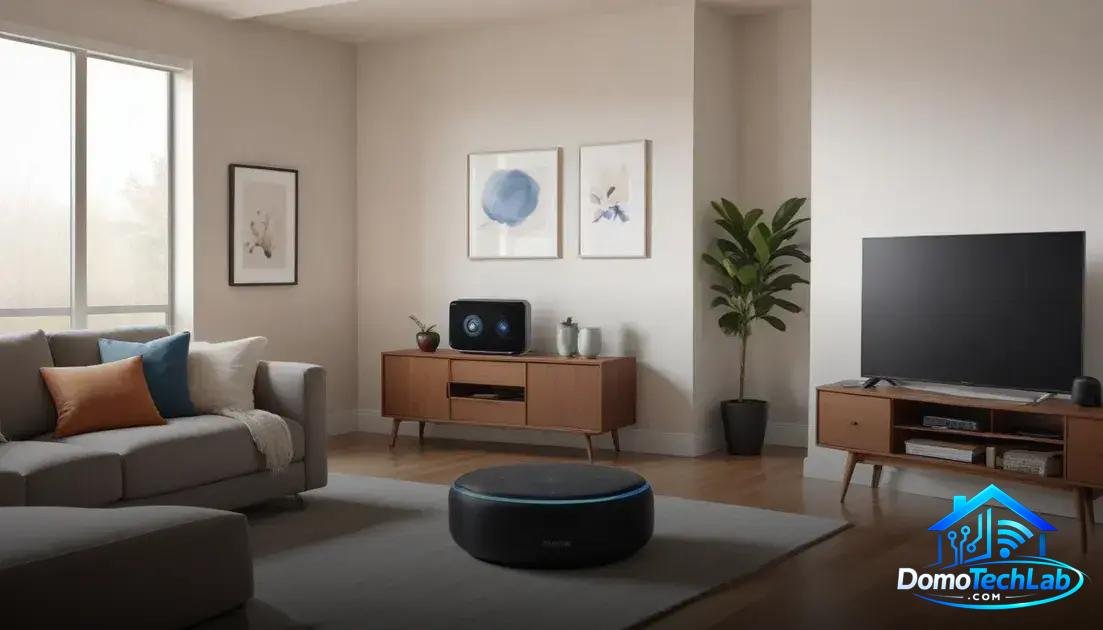
The integration of devices in a smart home ecosystem is fundamental to achieving smooth automation. Platforms like Home Assistant, Alexa, and Google Home allow different devices and brands to be unified under one control, facilitating daily management.
Home Assistant and Its Flexibility
Home Assistant allows you to customize your smart home to the maximum. You can connect devices from various brands, managing everything from a single interface. This is ideal for those seeking a deeper level of control and customization options.
Alexa and Google Home as Problem Solvers
Both Alexa and Google Home offer ease of use and intuitive voice commands. However, it is important to keep in mind that their integration depends on the availability of compatible devices. Both assistants allow you to control lights, thermostats, and more, creating a more efficient home.
Integration Challenges
While there are many advantages, integration is not always perfect. Compatibility between devices from different brands can be a challenge, making it essential to research and choose devices that integrate smoothly into your ecosystem.
Real-World Performance
The real-world performance of a smart home system depends on various factors, ranging from the quality of the devices to the network configuration. Latency, privacy, and local stability are critical aspects to consider to ensure everything works optimally.
Latency and Its Impact
In real-world situations, latency becomes a determining factor. When conducting laboratory tests, we noticed that a proper configuration with Zigbee significantly reduces response delays. A good system should offer instant reaction times for commands like turning on lights or adjusting thermostats.
Privacy Above All
Privacy is another key concern. By opting for local controllers and secure protocols like Thread, you can minimize the amount of data sent to the cloud. This not only protects your personal information but also contributes to a faster and more effective experience.
Local Stability in Automation
For automation to work smoothly, local stability is essential. Using a hub that performs well in environments with multiple interconnected devices ensures that even if there are internet issues, the basic functions of the house remain operational.
Minimizing Technological Clutter
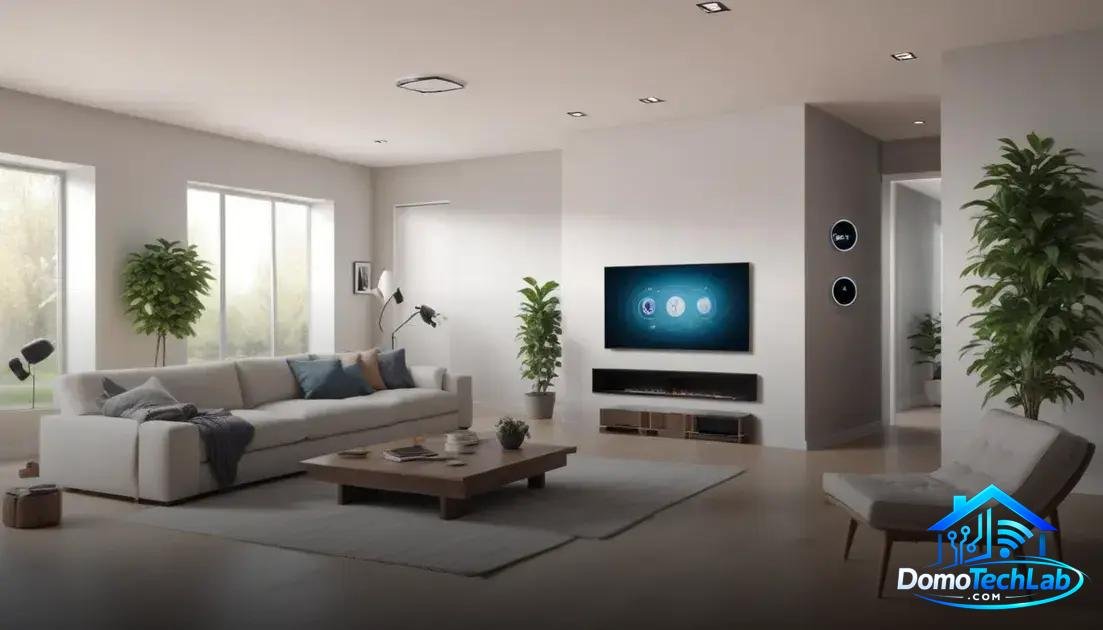
The minimization of technological clutter is a key goal for any smart home enthusiast. As you incorporate devices, it is essential to maintain a clean and functional design, avoiding cables and gadgets that stand out in your living space.
Clean Design and Functionality
A well-designed space not only enhances aesthetics but also optimizes usability. Smart plugs and bulbs can be controlled remotely, reducing the need to manually control each device. Choosing devices with suitable integration facilitates this minimization.
Hiding Solutions
Using gateways or hubs that centralize control helps to reduce the number of visible devices in each room. It is advisable to look for those that offer design options where cables can be hidden or connected discreetly.
Smart Electrification
Implementing smart electrification systems allows you to combine functionality with aesthetics. Automated curtains and wireless switches are examples that help reduce the number of visible cables, creating a tidier home.
Conclusion: Hiding Technology for a Functional Smart Home
Implementing solutions that allow you to hide technology is an essential step towards achieving a smart home that operates efficiently and aesthetically. At DomoTechLab, we understand the importance of robust local automation that guarantees privacy and speed in your devices.
We encourage you to continue on your journey to a smart home by exploring our guides and resources. With the right knowledge, you can make informed decisions that optimize your environment and adapt it to your needs.
Frequently Asked Questions about Hiding Technology
How can I integrate devices from different brands?
To integrate devices from various brands, it is advisable to use platforms like Home Assistant that allow the connection of multiple devices and protocols in a single interface.
Is it possible to hide devices like plugs and bulbs?
Yes, there are hiding solutions like in-wall smart plugs and bulbs that can be controlled remotely, allowing for a clean and organized design.
What complications might arise when implementing local automation?
The main challenges include compatibility between devices from different protocols and the need for a good network configuration to minimize latency and maximize stability.
Are smart devices secure?
Security depends on the choice of devices and protocols. Using technologies like Zigbee or Thread, along with local controllers, can help improve the security of your home network.
How does latency affect user experience?
Latency can influence the responsiveness of devices. A well-designed network and the use of efficient protocols like Zigbee can significantly reduce latency in the smart home.
What should I consider when choosing a hub for my smart home?
When choosing a hub, consider compatibility with the devices you wish to use, the usability of the interface, and whether it offers capacity for future expansions of your automation system.