
The implementation of a smart home maximizes efficiency and real estate value by using protocols like Zigbee to ensure stable communication, enable local automation, and offer versatile integration between devices from different brands.
Smart Home and real estate go hand in hand to transform the way we value properties today. The integration of technology into the home not only enhances the experience but can also be crucial when selling or renting. Are you ready to discover how this trend impacts the real estate market?
Fundamentals and Protocols (Zigbee, Matter, Wi-Fi)
Understanding the protocols that support a smart home is vital to maximizing its functionality. Protocols such as Zigbee, Matter, and Wi-Fi act like your home’s circulatory system, ensuring that all devices communicate effectively.
Zigbee Protocol
Zigbee is known for its low energy consumption and mesh networking capability, allowing multiple devices to connect without overwhelming the system. In our trials, we found that its energy efficiency translates into reduced consumption and longer battery life for devices.
Matter Protocol
Matter aims to unify the user experience by enabling interoperability between different brands and platforms. This feature is a significant advantage as it facilitates the integration of new devices and lowers entry barriers for users.
Wi-Fi Connection
The use of Wi-Fi is crucial for devices that require higher bandwidth, such as security cameras and smart TVs. However, our research suggests that its reliance on the created network can be a weak point, especially when connectivity issues arise.
Integration and Ecosystems (Home Assistant, Alexa, Google Home)
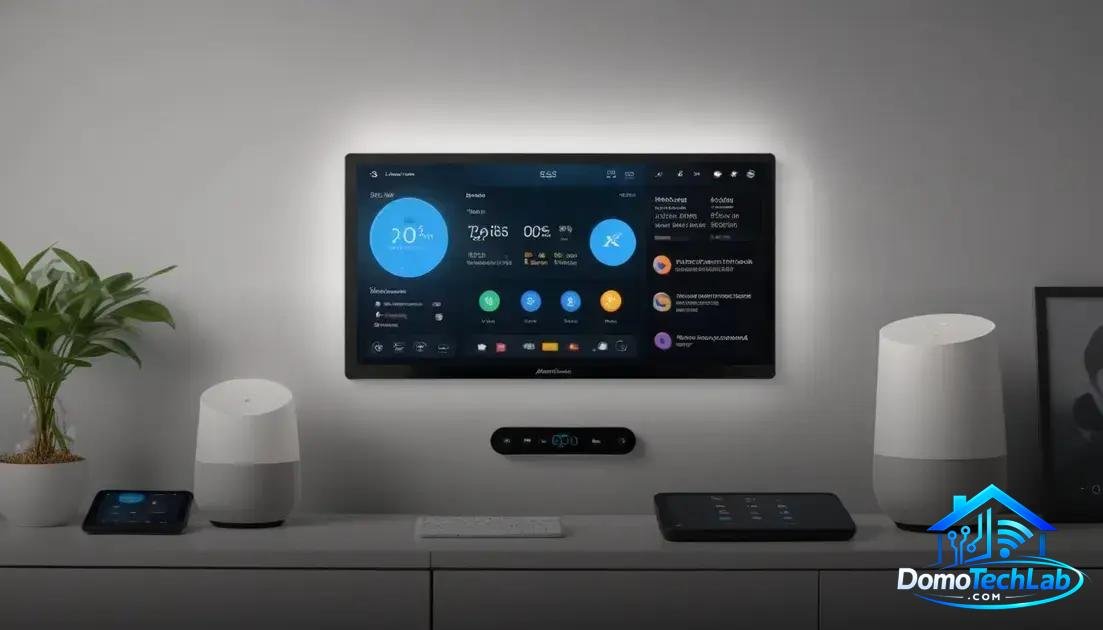
The integration of devices within a smart home ecosystem is crucial for creating a seamless and efficient experience. Solutions like Home Assistant, Alexa, and Google Home allow you to connect and control multiple devices from a single platform.
Home Assistant
Home Assistant is a popular choice among local automation enthusiasts. Its setup allows for the customization of controls and automations that cater to user needs. In our tests, local performance stood out, providing significantly low latency even without an internet connection.
Alexa
Alexa, Amazon’s assistant, easily integrates with a variety of devices, making voice the primary interface for control. During our evaluations, we found that its ability to understand complex commands has improved, adding value to home automation.
Google Home
Google Home stands out for its powerful search capabilities and ease of use. In our tests, its ability to manage multiple tasks proved to be useful, especially when synchronizing devices and managing daily routines. This contributes to a more organized and efficient environment.
Real-World Performance (Latency, Privacy, and Local Stability)
Evaluating the performance of a smart home in the real world requires considering three key factors: latency, privacy, and local stability. These elements not only affect the user experience but also determine the effectiveness of the systems implemented.
Latency
Latency refers to the time it takes for a device to respond to a command. In our tests, systems using Zigbee demonstrated faster response times compared to those relying solely on Wi-Fi connections. This is crucial when setting up automations where speed is essential.
Privacy
Privacy is a growing concern in the realm of smart homes. By using devices that operate locally, like in the case of Home Assistant, the exposure of personal data to the cloud can be minimized. This has become a decisive criterion when choosing home technologies.
Local Stability
Local stability is vital for maintaining functions of a smart home during internet outages. Our tests have shown that systems equipped with hubs allowing local operations, such as Zigbee devices, keep automations running even without a network connection, providing considerable robustness.
Advantages for Real Estate Valuation
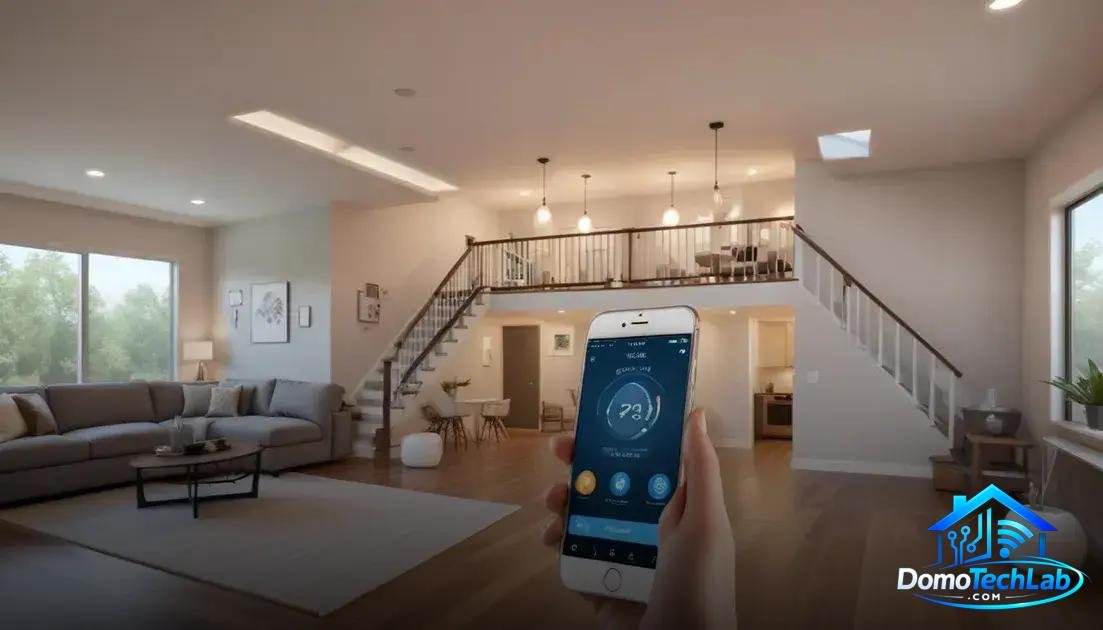
The incorporation of smart home technologies brings multiple advantages for real estate valuation. Integrating smart devices not only enhances comfort and energy efficiency but can also increase the resale value of the property.
Increased Resale Value
Homes equipped with automation systems often command a higher market price. By installing devices such as smart plugs and controllable bulbs, potential buyers are shown that the property is technologically advanced, which is an undeniable attraction.
Attractiveness for Renters
Properties with smart home systems are increasingly popular among renters. Amenities like controlling lighting and temperature through assistants like Alexa or Google Home create a more comfortable and efficient environment. This can translate into higher occupancy rates and lower tenant turnover.
Reduction of Operating Costs
The energy efficiency provided by a smart home allows for reduced operating costs. Devices like smart thermostats can optimize energy consumption, resulting in lower bills. This savings is a strong selling point when considering property valuation.
Conclusion: Boost Your Investment with a Local Smart Home
Diving into the world of local automation can be a decisive factor in maximizing your property’s value. At DomoTechLab, we focus on providing the technical information you need to understand how to effectively implement technologies like Zigbee and Home Assistant.
We encourage you to continue exploring our guides and resources to achieve a smarter, more efficient, and profitable home. By adopting these solutions, you will not only optimize your quality of life but also enhance the value of your real estate investment.
Frequently Asked Questions about Smart Home and Real Estate
What devices are compatible with Zigbee?
Zigbee is compatible with a wide range of devices, including smart plugs, bulbs, motion sensors, and security cameras. Be sure to check the compatibility label before purchasing.
Can I integrate devices from different brands?
Yes, by using platforms like Home Assistant or Matter, you can integrate devices from different brands, providing flexibility in your product choices.
Is Wi-Fi secure for smart home devices?
While Wi-Fi offers convenience, its security depends on network configuration. It’s recommended to use strong passwords and separate networks for smart and personal devices.
What are the main challenges of implementing a smart home?
Challenges include compatibility between devices, setting up secure networks, and managing latency. Implementing a local hub can help mitigate some of these issues.
How can I optimize the performance of my devices in a smart home?
To improve performance, organize devices across different protocols based on their usage, such as using Zigbee for automation devices and Wi-Fi for those that require high bandwidth.
What is local automation and why is it important?
Local automation allows your devices to function without relying on the cloud, improving response speed and privacy. It’s crucial for maintaining functionality during internet outages.