
The integration of devices in a smart home using protocols like Zigbee and voice assistance enhances accessibility and efficiency, providing a more comfortable and safe environment for all users.
Smart Home and disability are two interconnected concepts that offer innovative solutions to facilitate daily life. Can you imagine a home where every device responds to your specific needs? Through technology, we have made this vision a reality.
Fundamentals and Protocols
To build an effective smart home, it is essential to understand the different protocols that facilitate communication between devices. Protocols like Zigbee and Thread are fundamental for establishing a robust and versatile network in the home.
What is Zigbee?
Zigbee is a communication protocol that operates on mesh networks, which means that devices can relay signals to each other. This allows for greater coverage and stability, especially in areas where the Wi-Fi signal may be unstable.
Exploring Thread
Thread is another protocol that stands out for its security and energy efficiency. Designed specifically for smart home devices, Thread enables the creation of more secure networks, where only authorized devices can communicate.
Comparison with Wi-Fi
While Wi-Fi is ideal for internet access and data usage, it is not the most efficient for home device automation. The reliance on a centralized router can create failure points and increase latency, which can be problematic for local automations.
Integration and Ecosystems
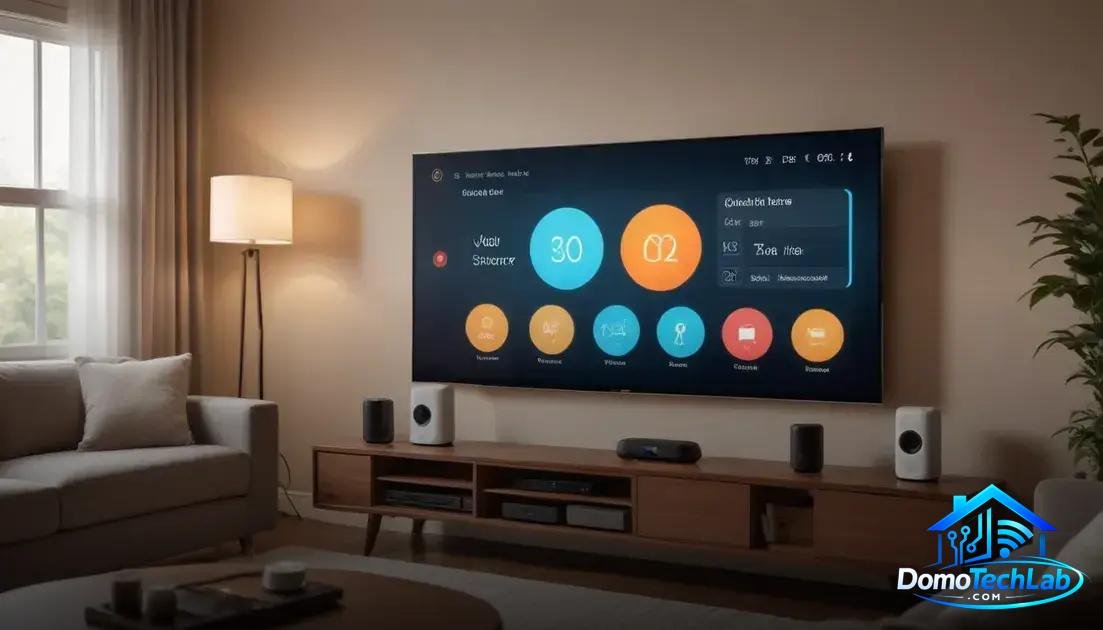
The integration of devices in a smart home is key to creating a functional and seamless ecosystem. Platforms like Home Assistant, Alexa, and Google Home allow managing multiple devices from a single location, enhancing the user experience.
Home Assistant: The Brain of the Home
Home Assistant is an open-source platform that brings together devices from different brands and protocols, facilitating home customization and automation. Thanks to its integration capability, users can create complex workflows that optimize energy efficiency and comfort.
Alexa: Voice Control at Your Fingertips
Alexa offers simple and convenient access through voice commands. Compatible devices, such as lights and plugs, can be controlled without the need for physical interaction. This is especially useful for people with disabilities, as it allows for accessible and effortless interaction.
Google Home: An Intelligent Personal Assistant
Google Home not only controls smart devices but also acts as an information hub. By integrating with other services, it can provide weather updates, news, and reminders, turning your home into a proactive space that adapts to your needs.
Performance in the Real World
The performance of a smart home in the real world is evaluated through metrics like latency, privacy, and local stability. Each of these factors plays a crucial role in user experience and system efficiency.
Latency Assessment
Latency refers to the time it takes for a device to respond to a command. In our tests, devices operating with protocols like Zigbee and Thread demonstrated a faster response compared to those relying on Wi-Fi connections. This improvement is particularly notable in situations where a user sends multiple commands simultaneously.
Privacy and Security
Another essential aspect is privacy. Systems that keep data processing local reduce the risk of security breaches. Implementing robust access controls on platforms like Home Assistant allows users to have greater control over their data and devices.
Local Network Stability
Local stability is crucial for the continuous operation of a smart home. A system that operates independently of the internet connection allows devices to continue functioning without interruptions. This translates to a more reliable home environment, which is vital for automation and everyday practical use.
Examples of Voice Assistance in the Home
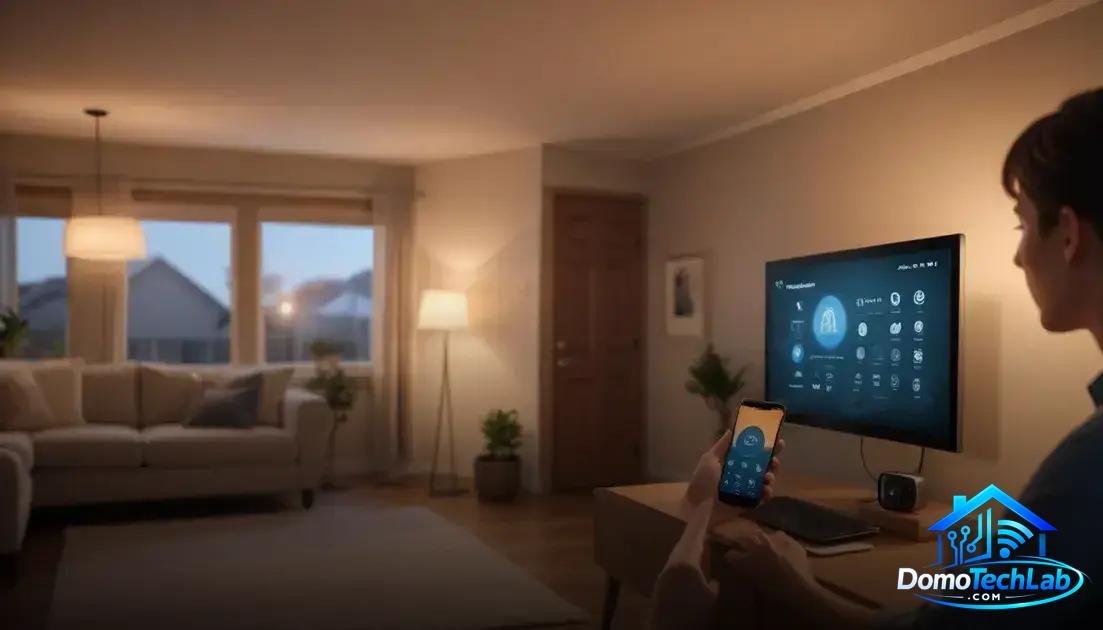
Voice assistance has revolutionized how we interact with our devices in a smart home. Today, devices like Alexa and Google Home offer functionalities that go beyond basic control, providing practical solutions for all users.
Voice-Controlled Lighting
With the integration of smart bulbs, users can turn on, off, or adjust the brightness of lights simply by speaking. This is especially useful for people with reduced mobility, as it eliminates the need to physically manipulate switches.
Automation of Daily Routines
The ability to program automatic routines through voice commands allows users to manage their home with ease. For example, by saying ‘good night,’ all lights can be turned off and an appropriate sleep environment can be set. This feature not only enhances comfort but also promotes energy efficiency.
Security and Emergency Assistance
Voice assistance also plays a crucial role in home security. Devices can be set up to make emergency calls or alert predetermined contacts in case of a problem. By integrating fall sensors and other monitoring devices, a quick response can be ensured in critical situations.
Conclusion: Empower Your Home with Local Automation and Accessible Technology
Local automation in a smart home is not just an option; it is a necessity to ensure an efficient and safe environment. At DomoTechLab, we understand the challenges and opportunities that technology offers us, and we are here to guide you through this exciting process.
We encourage you to continue exploring our technical resources, where you can learn how to optimize every corner of your home with smart devices and appropriate protocols, ensuring a more comfortable and accessible life for everyone.
Frequently Asked Questions about Smart Home and Disability
Can Zigbee and Wi-Fi devices work together on the same network?
Yes, it is possible. You can use a hub or gateway that supports both protocols, allowing for the integration of Zigbee and Wi-Fi devices into a single controlled system.
What devices are compatible with Alexa and Google Home?
Most smart home devices, including plugs, bulbs, and thermostats, are compatible. Be sure to check the compatibility in the specifications of each product.
What type of network is more reliable for local automation devices?
A network using Zigbee or Thread is generally more reliable for local automation, as it reduces latency and allows devices to communicate directly with each other without relying on the Internet.
How can privacy be ensured in a smart home?
Using devices that operate locally, like Home Assistant, increases privacy. Additionally, establishing strong passwords and enabling two-factor authentication is recommended.
What challenges might I encounter when integrating devices from different brands?
The main challenges include protocol incompatibility and the lack of a centralized platform. Choosing devices that follow standards like Matter can ease integration.
Is it possible to control devices both remotely and locally at the same time?
Yes, many systems allow for both local and remote management, providing flexibility in controlling your devices at any time and place.