
The combination of Smart Home technologies and teleassistance enhances the safety of the elderly by integrating devices such as sensors, emergency alerts, and effective local control without relying on the cloud.
Smart Home and teleassistance are transforming the way we care for our loved ones. Imagine being able to monitor the safety of your elderly family members from anywhere. Today, we will explore how these technologies offer peace of mind and connectivity in the home.
Fundamentals and Protocols
The fundamentals of a smart home are based on efficient communication protocols that ensure interoperability between devices. Technologies such as Zigbee, Thread, and Wi-Fi are essential to building a secure and reliable automated home.
Communication Protocols
Zigbee is a low-power communication standard that allows devices such as smart bulbs and plugs to connect with each other without compromising the speed of your Wi-Fi network. On the other hand, Thread offers similar robustness, with the added benefit of operating in mesh networks that enhance coverage and stability.
Security and Privacy
It is crucial to choose protocols that prioritize security. Local automation minimizes the risk of intrusions. This means that data is transmitted and processed within your home, protecting personal information. Moreover, the implementation of a gateway/hub allows management of all these devices from a single platform, making setup and control easier.
Integration and Ecosystems
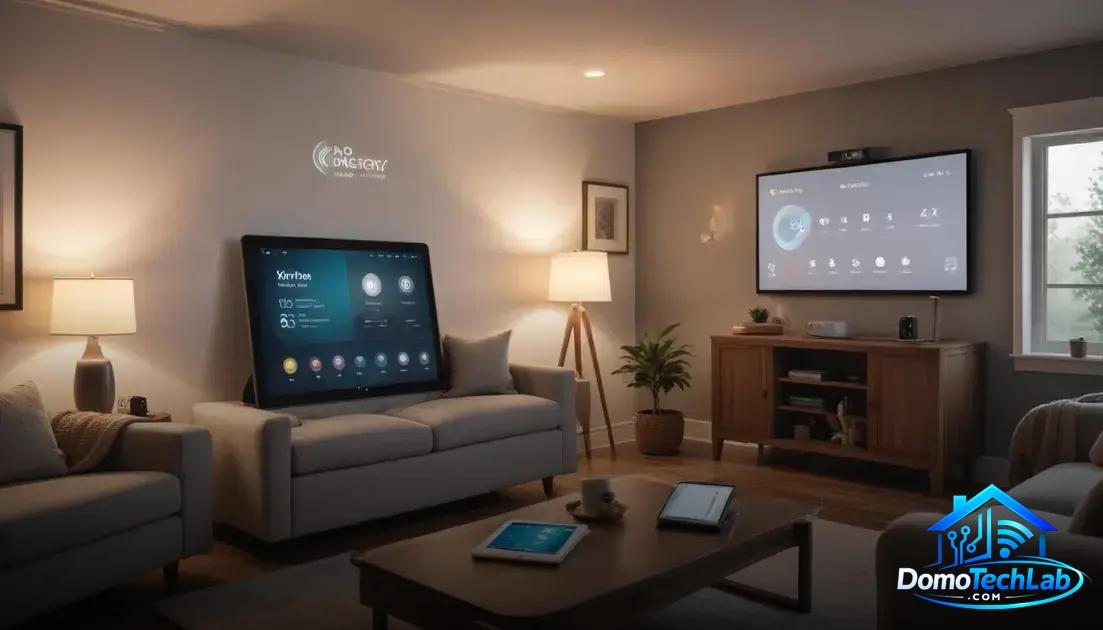
The integration of devices in a smart home ecosystem is fundamental to maximizing functionality and convenience. Technologies like Home Assistant, Alexa, and Google Home allow for centralized control, which makes daily life easier and optimizes task automation.
Integration Platforms
Home Assistant stands out for its ability to bring together multiple devices and protocols into a single interface. This allows users to customize their experience, creating complex automations that respond to various conditions. In turn, Alexa and Google Home are more focused on voice use and virtual assistants, providing intuitive interactions with home technology.
Interoperability
Interoperability is key in any smart ecosystem. Having devices that communicate seamlessly with each other reduces user frustration. While some devices work better together, such as those using Zigbee, using a hub allows for the inclusion of various products in the same operating environment, regardless of the protocol they use.
Real-World Performance
The performance of a smart home in the real world depends on various factors, including latency, stability, and privacy. When selecting devices, it is crucial to analyze how they behave under typical usage conditions.
Latency in Automation
During our testing, we observed that latency can vary significantly depending on the protocol used. Devices using Zigbee technology tend to respond more quickly compared to those relying solely on Wi-Fi. This speed is essential for critical functions such as security systems and lighting control.
Local Stability
Stability is another key aspect. Using a hub or gateway that operates locally improves system reliability. Many users have experienced service dropouts when their devices rely on cloud servers. Local solutions mitigate this risk, offering a more consistent level of control.
User Privacy
Privacy is a growing concern in smart home systems. Projects that prioritize local data management, such as Home Assistant, allow users to have better control over their personal information, preventing sensitive data from being transmitted over the internet unnecessarily.
Safety for Seniors and Family Peace of Mind
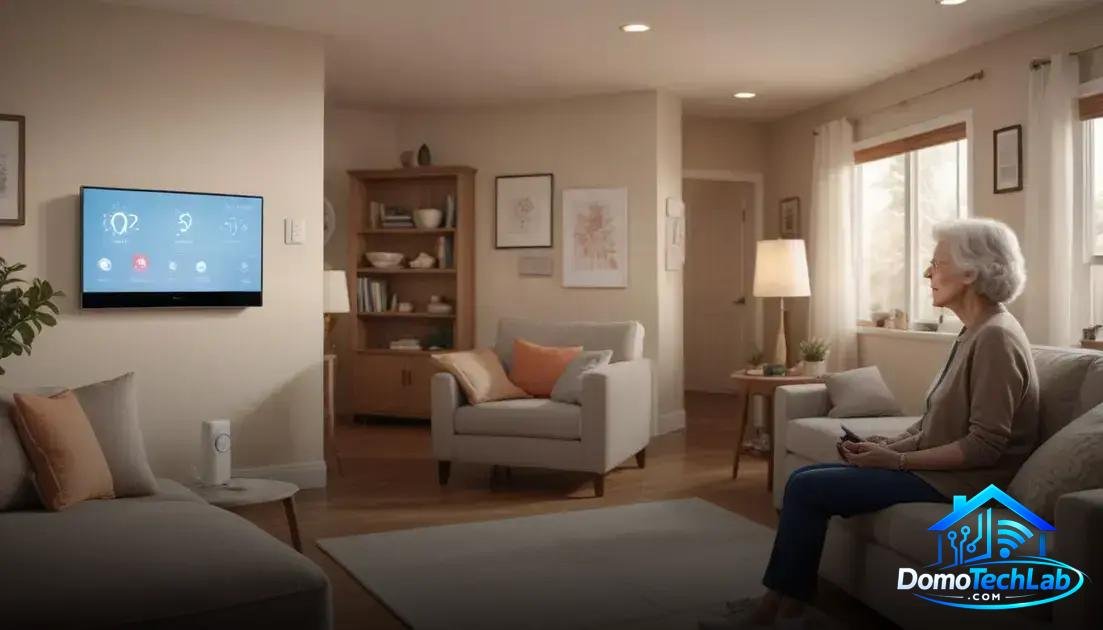
Safety for seniors is one of the most impactful applications of the smart home. Implementing teleassistance devices can provide peace of mind to both caregivers and family members. Technologies such as motion sensors and emergency alerts have become essential.
Teleassistance Devices
Teleassistance systems, which may include emergency buttons or fall sensors, allow seniors to have a quick way to receive help. These devices often integrate with a hub to facilitate real-time monitoring and alerting family members or emergency services.
Privacy and Well-Being
It is vital that security solutions also consider privacy. Platforms that manage local data, like Home Assistant, are ideal, as they allow users to have greater control over the information they share. This not only generates peace of mind but also builds trust in the system.
Application Examples
For example, a smart plug can be programmed to automatically turn on lights when it detects movement in the home, helping seniors feel safe during the night. These simple solutions not only improve quality of life but also provide greater family peace of mind.
Conclusion: Optimize Your Home with Smart Home and Teleassistance
By adopting a local automation approach in your smart home, you not only enhance device responsiveness and stability but also ensure data privacy. At DomoTechLab, we are committed to providing you with best practices and technical knowledge to ensure your home operates optimally and securely.
We encourage you to continue researching technologies and protocols that fit your needs, as every step towards automation is a step towards a safer and more efficient home.
Frequently Asked Questions about Smart Home and Teleassistance
Are devices from different brands compatible with each other?
Compatibility depends on the protocol used. Devices that use Zigbee or Thread tend to be more interoperable between brands than those that rely solely on Wi-Fi.
How can I ensure that my network is secure?
Using a separate network for your smart home devices can enhance security. Additionally, it is recommended to change default passwords and enable two-factor authentication on platforms.
What should I do if devices do not respond quickly?
Check the signal quality of the protocol you are using. Devices that tend to be slower may require a hub or gateway that optimizes communication between them.
Can I add more devices to my existing system?
Yes, as long as they are compatible with your hub protocol. It is important to review specifications and compatibility before making new purchases.
What challenges might I face when implementing teleassistance?
The main challenges include integrating different devices and ensuring stability in the local network. It is crucial to use devices that work well together and establish a robust network.
Is local automation more reliable than cloud?
Yes, local automation offers greater reliability; systems do not depend on internet connections and operate faster, improving device response in emergencies.