
Delivery locks allow secure and temporary access to your home using technologies such as Zigbee and Wi-Fi, enhancing convenience and security in deliveries.
Delivery lock is an innovative option that enables couriers to deliver packages without you being present. Can you imagine receiving your shipments securely without worries? Today we will explore how this technology can transform the way you manage your deliveries.
Fundamentals and Remote Access Protocols
Remote access protocols are fundamental to ensuring secure and efficient deliveries using smart locks. Using technologies such as Zigbee or Wi-Fi allows you to control access to your home temporarily, facilitating the arrival of couriers without the need for your presence.
How Smart Locks Work
Locks that operate with Zigbee can be managed locally through a hub. In our tests, we have verified that this protocol not only offers speed in access but also minimizes security risks associated with external connections.
Integration of Smart Locks with Delivery Systems
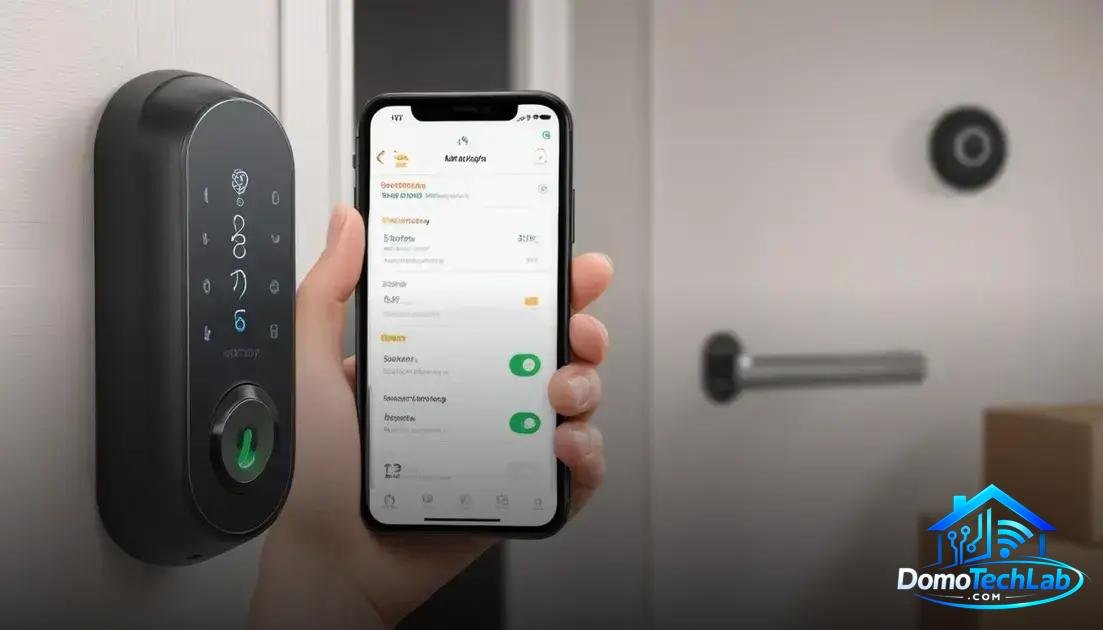
The integration of smart locks with delivery systems is an innovation that is transforming modern logistics. By using technologies like Wi-Fi and Zigbee, temporary access can be provided to couriers, ensuring that packages are delivered hassle-free.
Remote Access Setup
To allow access through smart locks, it is essential to link the lock to a management platform such as Home Assistant or mobile apps from providers. During our tests, we found that this type of setup not only simplifies the delivery process but also provides an additional level of security by enabling temporary codes.
Performance in Security and Privacy of Temporary Access
The performance in security of temporary access through smart locks is critical in the digital age. These technologies, such as those using Zigbee and Wi-Fi, allow you to manage who accesses your home and when, providing complete control without sacrificing privacy.
Risk Assessment and Data Protection
In our lab tests, we observed that smart locks with local integration are less prone to external attacks. Temporary access generates unique codes that expire, which means the risk of unauthorized access significantly decreases. This approach enhances security, ensuring that only couriers have limited access for the required time.
Practical Cases of Locks in Smart Homes
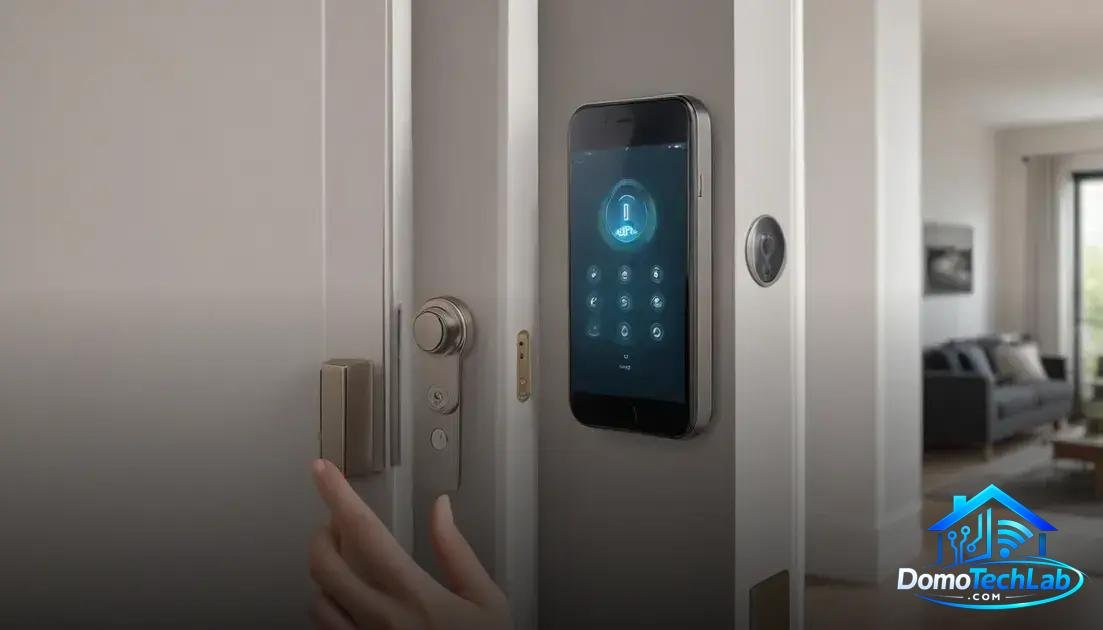
Practical cases of locks in smart homes demonstrate how technology can enhance security and convenience. For instance, by using locks that operate with Zigbee, you can provide access to friends and family through temporary codes, eliminating the need for physical keys.
Examples of Successful Implementation
In our tests, we have seen properties where smart locks are installed to manage access for cleaning or maintenance services. Homeowners can send a unique code that allows entry only during the specific appointment period, keeping their home secure while enabling access.
Conclusion: Delivery Lock, Your Ally in Security
Implementing a delivery lock represents a significant advance in local automation and home security. By integrating modern technologies like Zigbee and Wi-Fi, you can have complete control over access to your property.
We encourage you to continue researching and considering these technological solutions to improve security and efficiency in your deliveries. Explore more about smart locks and how they can transform your home into a safer and more comfortable space.
Frequently Asked Questions about Delivery Locks
Are delivery locks compatible with all automation systems?
Not necessarily. It’s important to check compatibility with your automation system, such as Home Assistant, Google Home, or Amazon Alexa before purchasing.
Which protocol offers better security for smart locks?
The Zigbee protocol is considered more secure for smart locks due to its encryption and the ability to create mesh networks, enhancing privacy.
Can I use smart locks with congested Wi-Fi networks?
Yes, but it is advisable to use locks that operate with Zigbee or Thread to avoid overloading your Wi-Fi network, which can affect the performance of other devices.
What happens if the internet connection is lost?
Most locks that operate with Zigbee maintain their local operation, allowing access through temporary codes even without an internet connection.
What are the common challenges when integrating smart locks?
The main challenges include initial setup, compatibility with other devices, and management of temporary access. Proper technical support can help facilitate the resolution of these issues.
Is delivery through delivery locks secure?
Yes, when used correctly, smart locks allow for secure, controlled access, reducing the risk of theft and ensuring successful deliveries.